
Sourcing & Private Label
Private Label Automotive Filters: A Buyer’s Step-by-Step Guide
A buyer-focused route from product-list review and packaging alignment through sample approval, production and shipment planning.

Answer first
Answer first
A private label automotive filter program should move through controlled stages: define the target range, review OE or SKU inputs, confirm product and packaging requirements, approve samples and artwork, and then align production and shipment. Buyers reduce rework when product identity, packaging versions, approval responsibilities and change records are agreed before mass production.
Key facts
Key points for buyer review
- The product list should be reviewed before packaging scope and production quantities are finalized.
- Product approval and packaging approval are separate decisions and should both be recorded.
- MOQ depends on the SKU mix, packaging format and overall program requirements.
- Changes after approval should be documented before they reach mass production.
What a private label filter program requires
A private label automotive filter program combines product selection, technical approval, brand data, packaging development, production planning and shipment release. Buyers should not treat these as one approval. The product, artwork and physical packaging each need an identified requirement, revision and decision owner. A controlled program starts with a validated SKU scope and expands only after product and packaging evidence is complete.
For importers, distributors and brand owners, the central question is not “Can you print our logo?” It is whether the range can be reviewed, produced and packed consistently for its intended market.
Define the market and range first
Packaging work should not begin with an unstable product list. Prepare a range brief containing:
- Target market and sales channel.
- Required families from the automotive filter portfolio.
- Buyer SKU, OE or cross-reference inputs and their sources.
- Estimated demand and initial quantity by SKU.
- Proposed standard, premium or application-specific range logic.
- Required product and packaging samples.
- Launch sequence and replenishment assumptions.
The supplier can then identify confirmed candidates, missing information and products requiring technical review. The OE and cross-reference guide explains why a reference supports matching but is not automatic proof of equivalence.
Avoid launching every available reference at once. Core products can be prioritized from demand evidence, while expansion products remain subject to validation. The MOQ and inventory planning guide connects SKU breadth with production and stock risk.
Separate approval streams
Private label projects are easier to control when approvals are divided into visible gates.
| Approval stream | What is approved | Typical evidence | Owner question |
|---|---|---|---|
| Product data | SKU, references, application scope and revision | Controlled list and review status | Who owns technical data? |
| Product sample | Construction, dimensions, workmanship and agreed evidence | Identified sample and approval | Who approves the filter? |
| Packaging specification | Pack structure, dimensions, materials and protection | Packaging brief or sample | Who owns pack performance? |
| Artwork | Brand, description, barcode, language and marks | Dated proof by SKU or family | Who approves printed data? |
| Production output | Product and print match approved revisions | Inspection or first-production evidence | Who releases the batch? |
| Shipment | Quantity, packing, labels and documents are complete | Final inspection and shipment records | Who authorizes dispatch? |
Approval of one stream should not silently authorize another. A correct product sample does not approve an incorrect barcode, and an approved box does not confirm product fit or performance.
Build a controlled product specification
“Standard” and “premium” are market positions, not technical specifications. If a program offers different levels, define the distinction through controlled product data and relevant evidence.
Depending on category, the specification may cover dimensions, interfaces, media construction, frame or housing, seals, gasket, thread, bonding, applicable inspection evidence, workmanship, product marking and change notification.
The filter media selection guide supports material discussions, but a material name alone does not define finished-filter performance. Requirements should be reviewed for the actual SKU and application.
Prepare the packaging brief
A packaging brief converts brand expectations into production information. It should describe the complete pack hierarchy:
- Unit box or bag dimensions and material.
- Inner pack quantity where applicable.
- Master carton quantity, dimensions and marks.
- Product protection, orientation and separation needs.
- Brand assets, color references and print limitations.
- Buyer SKU, description and reference data.
- Barcode type, value ownership and verification responsibility.
- Required languages and destination information.
- Pallet or shipment configuration where relevant.
- Artwork proof and physical sample approval process.
Use the private label packaging specification guide for detailed decisions. Market information should be confirmed by the buyer or importer; a supplier template is not regulatory approval.
Control artwork and label data
Artwork errors can affect warehouse handling, customer confidence and import records. Establish one approved source for SKU, barcode, reference and description data. Assign owners for technical statements, language and market fields.
Every proof should show file name, revision, covered SKUs, issue date, approval date, approver and open comments. The artwork approval checklist provides a release process, while the label, barcode and SKU governance guide covers consistency across catalogs, boxes, cartons and warehouses.
Obsolete artwork and unused printed material require a plan. If a reference, barcode or market requirement changes, determine whether existing material can be used, relabeled, segregated or must be replaced.
Approve samples in sequence
A program may use several distinct samples:
- Product sample for filter approval.
- Blank packaging sample for structure and fit.
- Digital or printed proof for artwork content.
- Printed physical sample for print and assembly review.
- First-production packed unit for final confirmation.
Not every project needs every sample, but the sequence should be agreed. The sample approval checklist explains product identity and production transfer. Packaging samples need separate records so product and brand decisions remain traceable.
Plan MOQ by product and packaging
Private label MOQ may be influenced by finished-filter production, printed boxes, labels, cartons or unique components. Ask what drives each minimum:
- Quantity per SKU.
- Quantity per shared construction.
- Quantity per artwork design.
- Quantity per packaging material or print run.
- Combined order or shipment requirement.
Do not assume a mixed order removes every per-SKU or per-design constraint. Equally, do not accept one universal MOQ without understanding the driver. A pilot order can use a controlled range before expansion; see the pilot order planning guide.
Define change control
Private label changes can affect both product and brand records. Establish notification and approval requirements for:
- Media, seal, housing, component or construction changes.
- Supplier or process changes relevant to the approved product.
- SKU, reference, barcode or description changes.
- Artwork, language, color or packaging material revisions.
- Carton quantity, dimensions or shipment marks.
The change record should identify affected stock, open orders, printed material and the effective revision. Commercial acceptance of a price change is not the same as technical approval of a product change.
Review production and shipment evidence
Before shipment, evidence should confirm that filters and packaging match approved revisions. Depending on the program, review:
- SKU and quantity reconciliation.
- Product identity and visible workmanship.
- Agreed dimensions or category-specific checks.
- Box, label, barcode and carton revision.
- Print condition and packing configuration.
- Batch, order or carton traceability.
- Approved deviations and reinspection.
- Final release authority.
The quality control checklist covers end-to-end quality stages. Packaging approval does not replace product inspection, and product inspection does not replace packaging verification.
Compare program approaches
| Approach | Appropriate when | Main control need | Main risk |
|---|---|---|---|
| Neutral product trial | Product and supplier are still being evaluated | Identified sample and order scope | Branding evidence remains untested |
| Limited private label pilot | Core SKUs and packaging concept are ready | Tight SKU, artwork and inspection gates | Too many variants in first order |
| Full range launch | Demand, product and packaging systems are established | Data governance and replenishment | Obsolete stock or artwork |
| Market variant expansion | Base range is approved for another destination | Language, label and importer review | Assuming one market's data applies elsewhere |
Choose the approach based on program maturity rather than pressure to display a broad catalog.
Private label buyer checklist
Assign project roles before release
Private label delays often come from unclear ownership rather than design difficulty. Name the person responsible for technical product data, buyer SKU and barcode records, artwork approval, packaging structure, quantity confirmation, quality evidence and shipment release. A distributor may own brand and market statements while the supplier owns production records; the boundary should be written.
Use one open-item register for missing product data, sample comments, artwork corrections and commercial decisions. Each item should show the affected SKU or design, owner, due date and release consequence. This prevents a packaging comment from being lost inside a technical email or a conditional product approval from being treated as final.
- Market, channel and range purpose are defined.
- Every initial SKU has a review status.
- Product tiers use controlled specifications.
- Product and packaging samples are approved separately.
- Pack hierarchy and protection are documented.
- SKU, barcode and description data have owners.
- Artwork files are revision controlled.
- MOQ drivers are understood by SKU and design.
- Change and obsolete-material rules are agreed.
- Shipment evidence and release responsibility are defined.
Start with a reviewable brief
Provide the market, SKU/reference inputs, quantities, pack hierarchy, languages, barcode needs and approval expectations through the private label enquiry route. Product availability, MOQ, timing and packaging feasibility should be confirmed for that reviewed program rather than presented as universal commitments.
Related products
Continue to product scope.
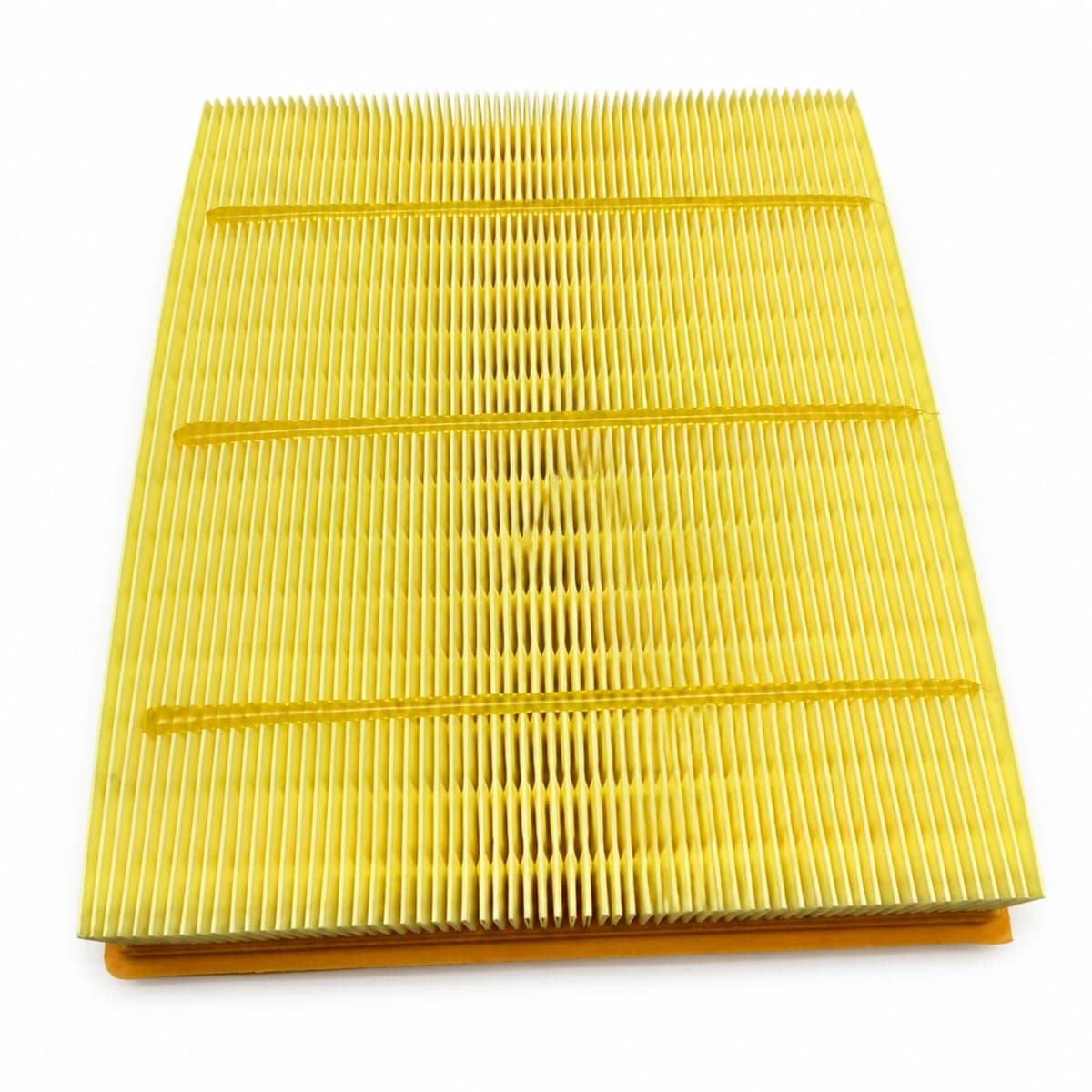
Air Filters
Review category capability and available product records.
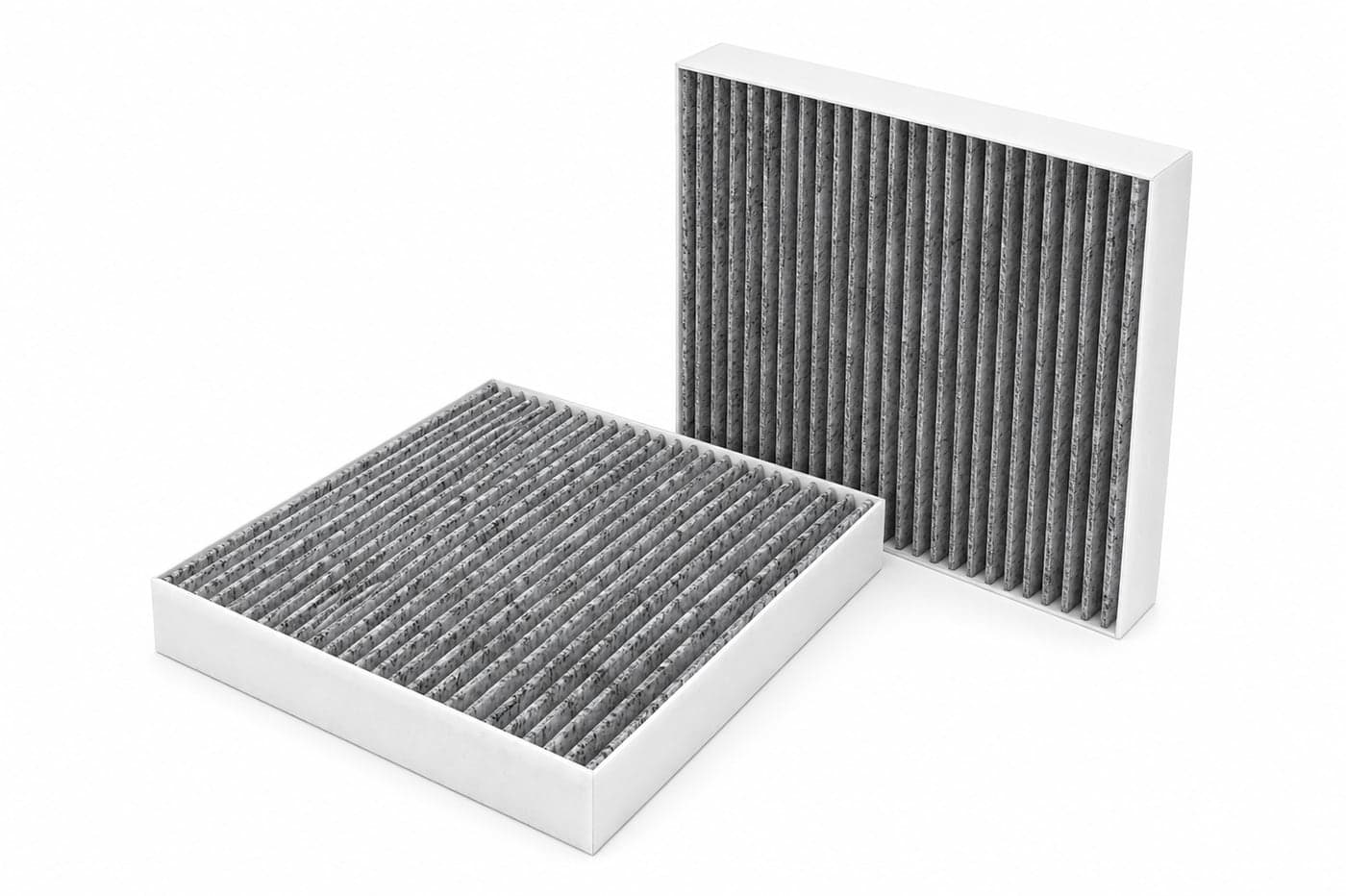
Cabin Filters
Review category capability and available product records.
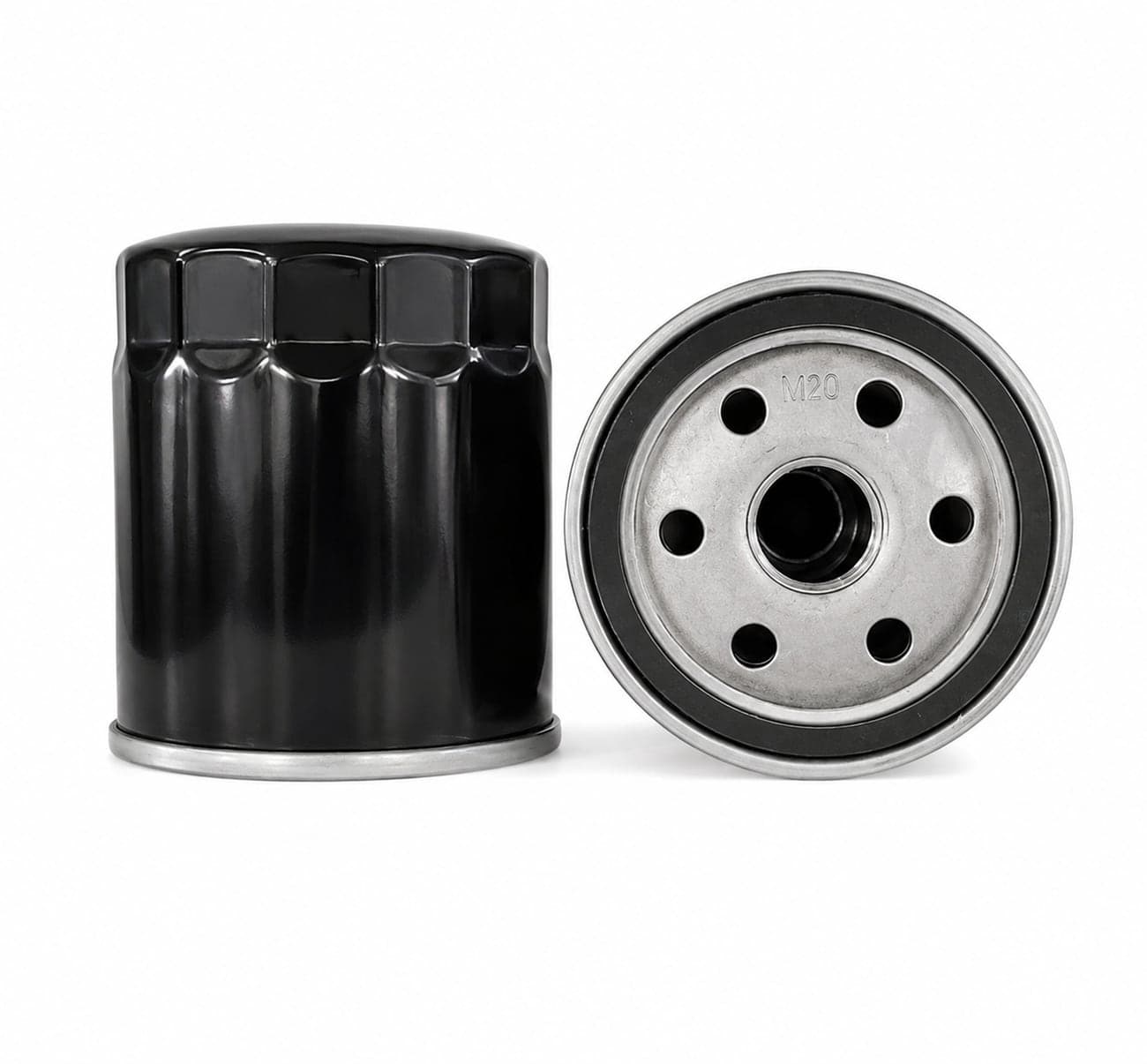
Oil Filters
Review category capability and available product records.
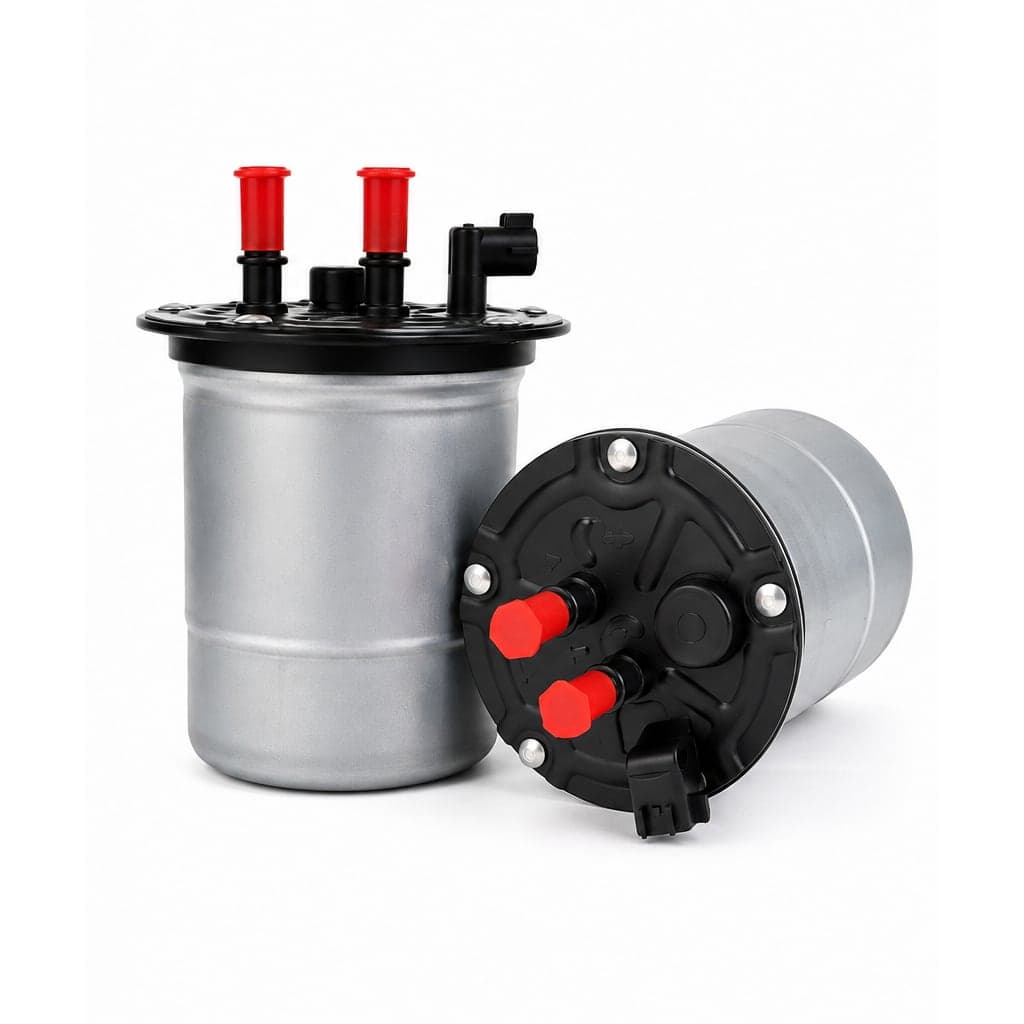
Fuel Filters
Review category capability and available product records.
No SKU page is linked until it passes the existing publication, verification and indexing gates. Use the category page or send a product list for review.
FAQ
Questions from aftermarket buyers.
Next step
Move from research to a reviewed filter program.
Sources and review
- Beling Private Label Program — Beling Automotive Filters
- Beling RFQ Requirements — Beling Automotive Filters
Reviewed by Beling Automotive Filters (Organization review) on August 22, 2026.