
Product Guides
How to Prepare OE Numbers and Cross-References for Filter Supplier Review
A B2B buyer guide to automotive filter cross reference guide, supplier evidence, decision controls and RFQ preparation for automotive aftermarket programs.

Answer first
Answer first
How to Prepare OE Numbers and Cross-References for Filter Supplier Review should be evaluated as a controlled buyer decision, not as a generic supplier claim. Buyers should define reference provenance, review candidate matching, confirm technical confirmation and document revision control. The exact requirements and evidence depend on the filter category, SKU, application, market, packaging and contract.
Key facts
Key points for buyer review
- Reference provenance: Record whether an input comes from OE data, a competitor catalog, a sample, a buyer file or another source.
- Candidate matching: Use references to identify candidates while keeping equivalence and application approval separate.
- Technical confirmation: Review dimensions, construction, interfaces and application evidence at SKU level.
- Revision control: Track supersessions, buyer SKU mapping, approval status and later catalog changes.
The buyer decision behind this topic
How to Prepare OE Numbers and Cross-References for Filter Supplier Review should be evaluated as a controlled buyer decision, not as a generic supplier claim. Buyers should define reference provenance, review candidate matching, confirm technical confirmation and document revision control. The exact requirements and evidence depend on the filter category, SKU, application, market, packaging and contract.
Product sourcing starts with application and specification decisions. Reference numbers help identify candidates, but buyers still need to confirm construction, interfaces, materials, performance evidence and the commercial range at SKU level.
The four filter families do not share one universal specification. Airflow, fluid compatibility, sealing, fit and applicable evidence should be selected for the product category and intended application.
Key factors buyers should evaluate
Reference provenance
Record whether an input comes from OE data, a competitor catalog, a sample, a buyer file or another source. Buyers should convert this consideration into a written requirement, identify who owns the decision and ask for evidence that represents the proposed product or program. A general capability statement is useful for screening, but approval should depend on information relevant to the actual order.
Candidate matching
Use references to identify candidates while keeping equivalence and application approval separate. Buyers should convert this consideration into a written requirement, identify who owns the decision and ask for evidence that represents the proposed product or program. A general capability statement is useful for screening, but approval should depend on information relevant to the actual order.
Technical confirmation
Review dimensions, construction, interfaces and application evidence at SKU level. Buyers should convert this consideration into a written requirement, identify who owns the decision and ask for evidence that represents the proposed product or program. A general capability statement is useful for screening, but approval should depend on information relevant to the actual order.
Revision control
Track supersessions, buyer SKU mapping, approval status and later catalog changes. Buyers should convert this consideration into a written requirement, identify who owns the decision and ask for evidence that represents the proposed product or program. A general capability statement is useful for screening, but approval should depend on information relevant to the actual order.
Buyer decision table
| Review area | Buyer question | Evidence or output |
|---|---|---|
| Reference provenance | Record whether an input comes from OE data, a competitor catalog, a sample, a buyer file or another source. | Approved requirement, relevant record and open-item status |
| Candidate matching | Use references to identify candidates while keeping equivalence and application approval separate. | Approved requirement, relevant record and open-item status |
| Technical confirmation | Review dimensions, construction, interfaces and application evidence at SKU level. | Approved requirement, relevant record and open-item status |
| Revision control | Track supersessions, buyer SKU mapping, approval status and later catalog changes. | Approved requirement, relevant record and open-item status |
Add category-specific requirements for the intended filter and use the table at SKU level, not only at product-family level. Relevant product-family requirements can be reviewed through the air filter, cabin filter, oil filter and fuel filter category pages.
Product specification workflow
1. Prepare application inputs
Preserve buyer SKU, OE/reference source, market and available vehicle or system information.
2. Define technical requirements
Record dimensions, interfaces, construction, media and applicable performance expectations.
3. Review candidate evidence
Compare supplier data and samples with the requirement while keeping unverified equivalence visible.
4. Approve the SKU
Document the accepted product, packaging and revision rather than approving a category in general.
5. Plan the range
Connect verified SKUs with demand, MOQ, replenishment and future application review.
Product evidence buyers can use
Depending on the product and decision, buyers can request:
- Original reference and application input with source retained.
- Dimensions, interfaces and construction specification.
- Identified sample and category-appropriate test evidence.
- Approved packaging and label identity.
- SKU-level approval, revision and change record.
A cross-reference or material name is an input, not a complete product specification. Buyers should preserve the source and confirm the features needed for fit, function and repeatable supply.
Product-selection risks
Reference-only approval. Shared numbers can hide design, material or application differences.
Single-metric selection. Optimizing one performance value can ignore restriction, sealing or durability context.
Range inflation. Adding unvalidated long-tail SKUs can increase inventory and catalog risk.
Uncontrolled substitution. A replacement material or construction may change an approved product without clear review.
Buyer checklist
Before approving the next step, confirm:
- Reference provenance has a defined requirement, owner and approval status.
- Candidate matching has a defined requirement, owner and approval status.
- Technical confirmation has a defined requirement, owner and approval status.
- Revision control has a defined requirement, owner and approval status.
- Product, packaging and commercial revisions are aligned.
- Evidence applies to the proposed SKU, batch or program scope.
- Deviations, limitations and assumptions remain visible.
- The next approval gate and change-notification rule are documented.
Related buyer resources
- Review the automotive filter product portfolio when preparing the decision.
- Review the air filter category when preparing the decision.
- Review the cabin filter category when preparing the decision.
- Review the oil filter category when preparing the decision.
- Review the fuel filter category when preparing the decision.
- Review the request-for-quotation page when preparing the decision.
- Review the quality information when preparing the decision.
Discuss your product list and requirements
Send OE/reference inputs, target market, quantities, packaging needs and available specifications through the product-list RFQ. Candidate matching should be followed by SKU-level technical and sample confirmation.
Related products
Continue to product scope.
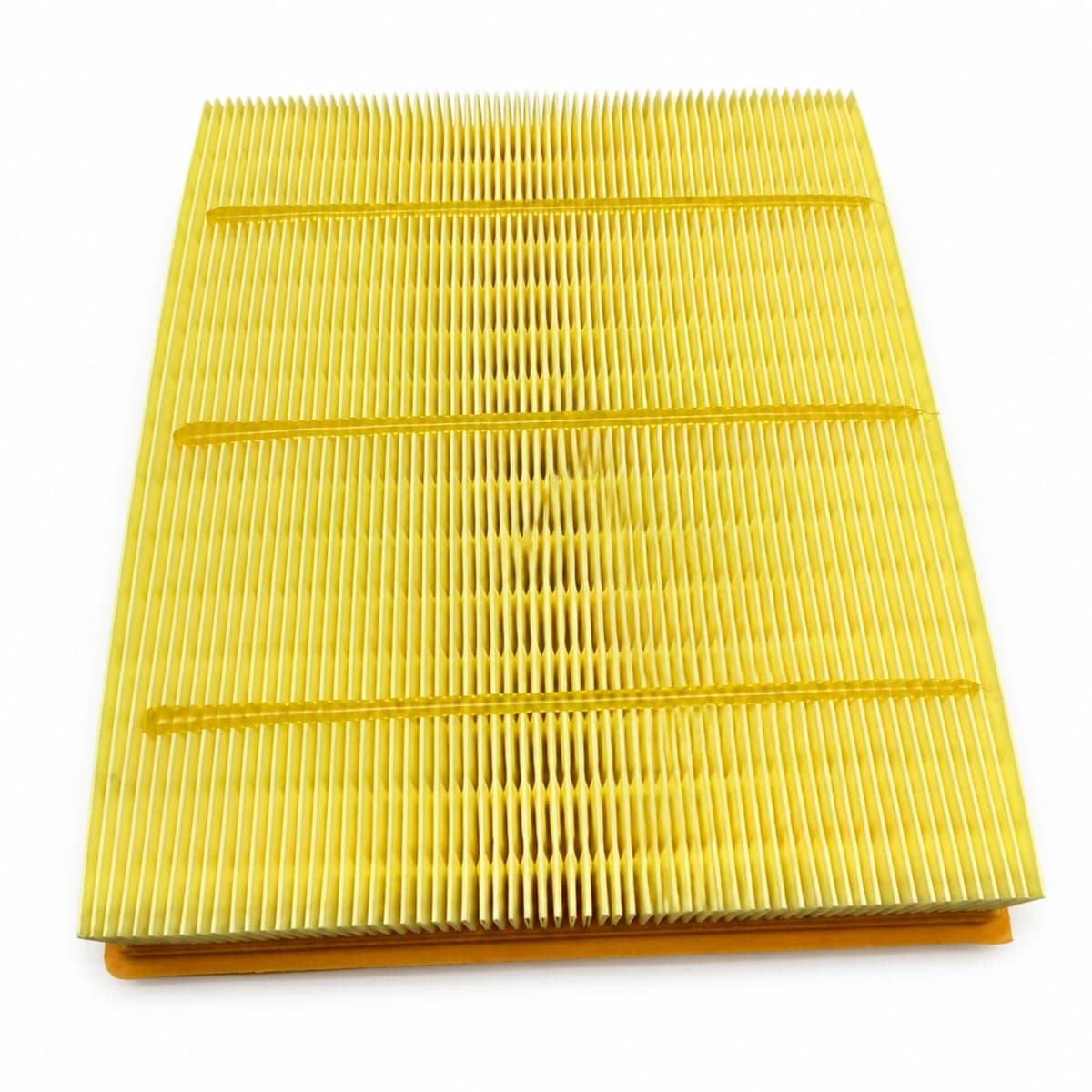
Air Filters
Review category capability and available product records.
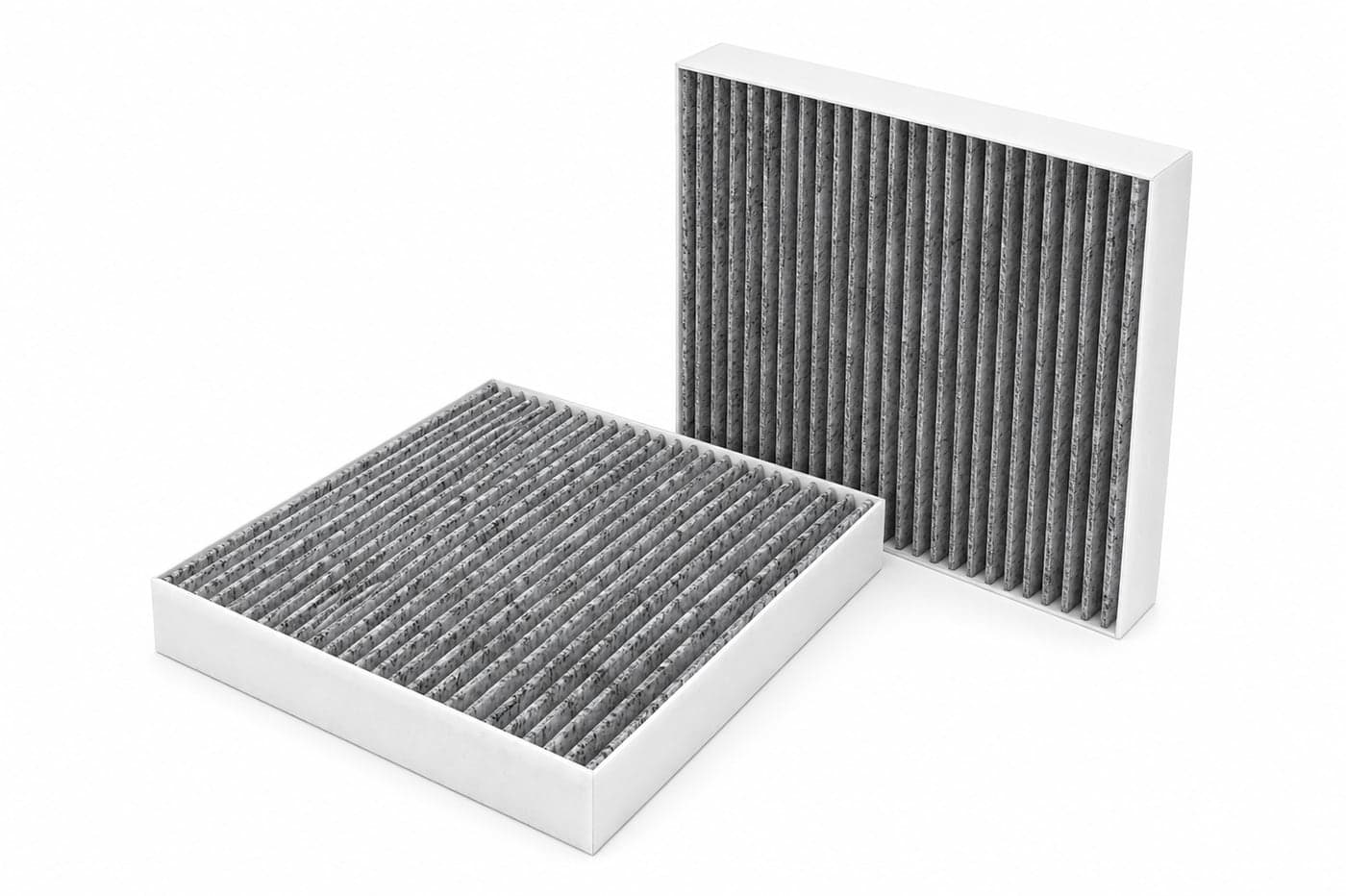
Cabin Filters
Review category capability and available product records.
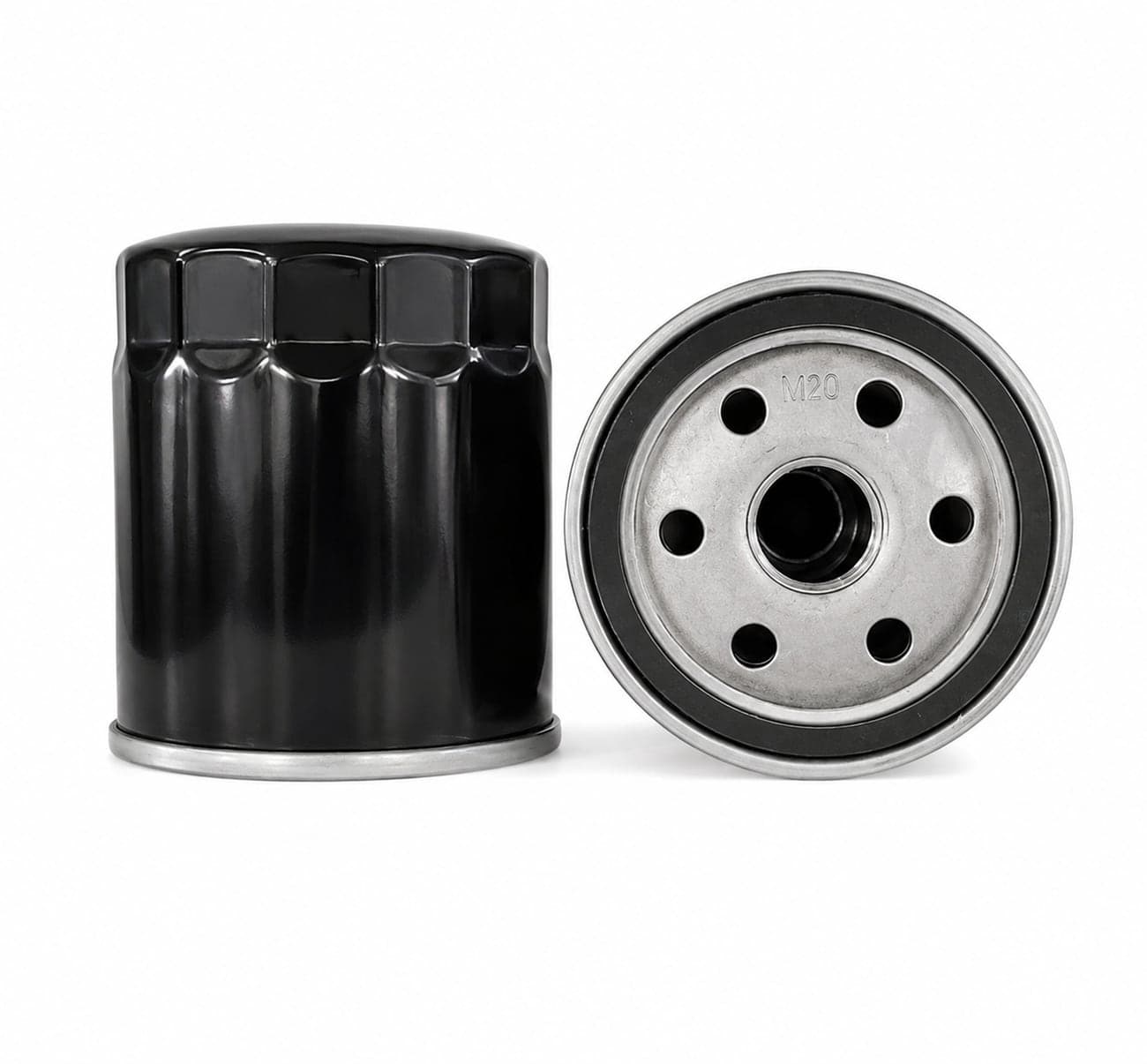
Oil Filters
Review category capability and available product records.
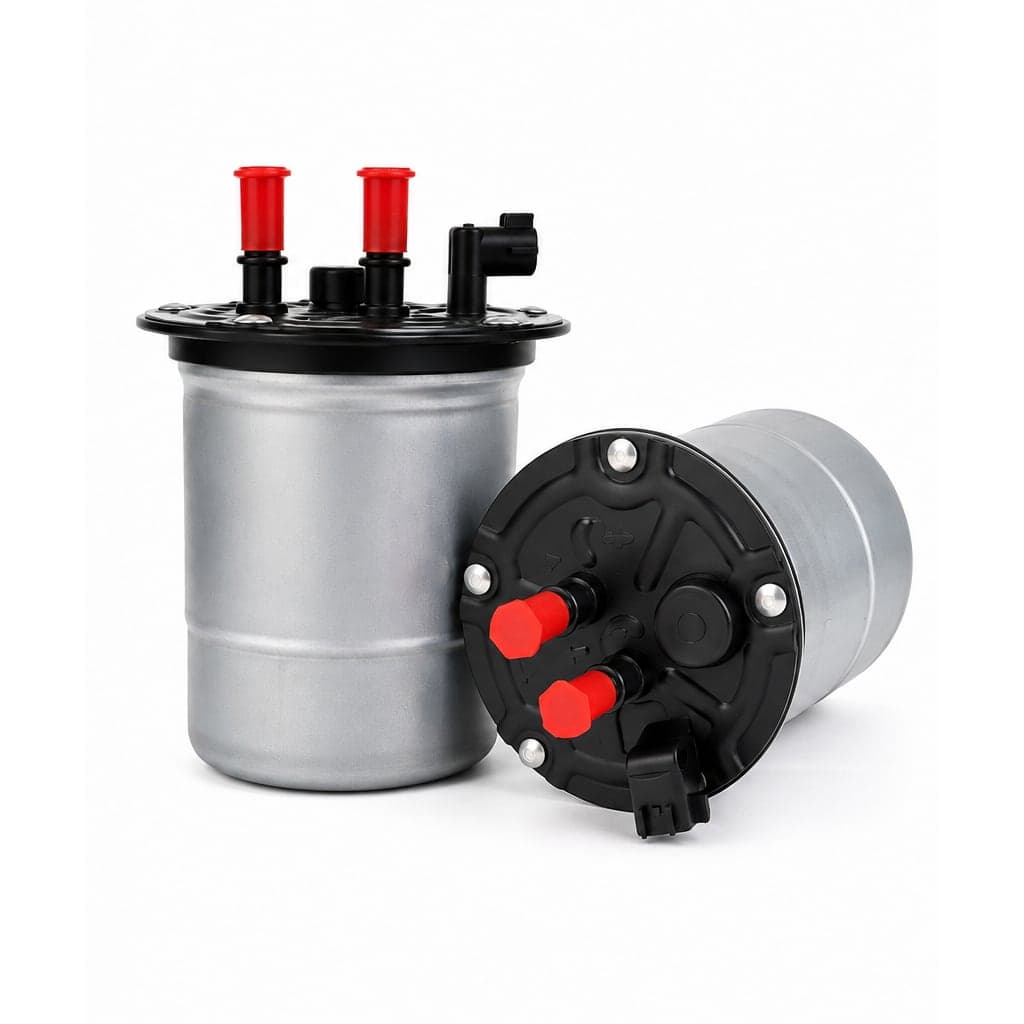
Fuel Filters
Review category capability and available product records.
No SKU page is linked until it passes the existing publication, verification and indexing gates. Use the category page or send a product list for review.
FAQ
Questions from aftermarket buyers.
Next step
Move from research to a reviewed filter program.
Sources and review
- Automotive Filter Product Portfolio — Beling Automotive Filters
- Air Filter Product Category — Beling Automotive Filters
- Cabin Filter Product Category — Beling Automotive Filters
- Oil Filter Product Category — Beling Automotive Filters
- Fuel Filter Product Category — Beling Automotive Filters
- RFQ Requirements — Beling Automotive Filters
- Quality Information — Beling Automotive Filters
Reviewed by Beling Automotive Filters (Organization review) on August 22, 2026.