
Quality & Manufacturing
Automotive Filter Quality Control Checklist for B2B Buyers
A buyer-focused framework for approving requirements, reviewing product and shipment evidence, selecting category-specific checks and controlling release decisions.

Answer first
Answer first
Automotive filter quality control should verify that the shipment matches the buyer's approved requirements, not simply that the products look acceptable. A reliable review connects product identity, reference data, dimensions, workmanship, category-specific evidence, packaging, labeling and traceability to a documented release decision. The exact inspection and testing scope should be agreed for each product program and SKU.
Key facts
Key points for buyer review
- Inspection should begin with the approved product, reference, packaging and acceptance requirements.
- Air, cabin, oil and fuel filters require category-specific evidence; one universal test list is not appropriate for every SKU.
- Sampling and inspection of every unit are different control choices and should be agreed for specified characteristics.
- A shipment release should identify open deviations, supporting evidence and the person authorized to release the lot.
Scope of this guide
This checklist helps B2B buyers define and review automotive filter quality requirements. It does not confirm the capability, certification, accreditation or test status of a supplier, facility or individual SKU. Product-specific requirements, available evidence and inspection scope must be confirmed during the enquiry and approval process.
Before shipment, buyers should verify:
- Product and SKU identity.
- Approved references and specifications.
- Critical dimensions.
- Workmanship and assembly.
- Product-specific test evidence where required.
- Packaging and label version.
- Batch traceability.
- Deviation status and release authorization.
What automotive filter quality control means
Quality control is the set of checks used to determine whether products and shipments conform to defined requirements. For an automotive filter buyer, those requirements may come from an approved sample, technical specification, drawing, purchase order, packaging file, test plan or another controlled document.
Inspection, validation and shipment release are related, but they are not interchangeable:
| Term | Meaning |
|---|---|
| Inspection | Comparison of a product or lot against defined acceptance criteria. |
| Validation test | Evidence that a design or product meets a defined performance requirement under a stated method. |
| Shipment release | An authorized decision that the shipment may proceed. |
| Deviation | A documented difference from an approved requirement. |
Quality control should not begin when finished cartons are already waiting for shipment. By that point, an incorrect reference, unsuitable material or unapproved packaging version may have affected the order. For many B2B automotive filter programs, a practical quality-control framework connects six stages.
Quality control stages before shipment
| Stage | Main objective | Typical evidence |
|---|---|---|
| Requirement approval | Define what the supplier must produce. | Product list, specification, drawing and approved reference data. |
| Sample approval | Establish the agreed product and packaging baseline. | Approved sample, inspection record and artwork approval. |
| Incoming material inspection | Check selected materials and components before production. | Material records, component checks and supplier documentation. |
| Production control | Detect variation while products are being made. | In-process inspection, process settings and production records. |
| Finished-product inspection | Verify completed products against approved requirements. | Dimensions, workmanship and applicable functional evidence. |
| Shipment release | Confirm that products, quantities, packaging and documents are ready. | Final inspection report, batch records and release authorization. |
Not every program requires the same documents or tests. The appropriate scope depends on filter category, application, order requirements, product risk, previous quality performance and destination-market needs.
1. Requirement approval
The first quality decision is made before a sample or production order exists. The buyer should provide enough information for the supplier to identify the requested product accurately. Depending on the program, this may include:
- Buyer SKU or internal part number.
- OE number or aftermarket reference.
- Vehicle or engine application.
- Product category.
- Drawing or critical dimensions.
- Required material or performance specification.
- Destination market.
- Packaging and labeling requirements.
- Expected order quantity.
- Required inspection or test evidence.
An OE number or competitor cross-reference can help identify a candidate product, but it should not be treated as automatic proof that two filters are identical. Reference data can contain errors, superseded numbers or applications that vary by market and model year.
Open questions should be resolved before the quotation, sample or production approval is treated as final. Where information remains unconfirmed, it should be recorded as an open item rather than converted into a compatibility or performance claim.
Buyers can begin with the complete automotive filter product portfolio and then submit a controlled product list for SKU-level review.
2. Sample approval
An approved sample establishes a physical and documented baseline for production. It should represent the requirements the buyer has actually accepted.
A useful sample approval record identifies:
- Supplier product code.
- Buyer product code.
- OE or reference inputs used during review.
- Sample version or date.
- Critical dimensions.
- Agreed material or construction.
- Relevant functional requirements.
- Packaging version.
- Label or artwork version.
- Approving person and approval date.
- Any approved deviations.
Product approval and packaging approval should be recorded separately. A technically acceptable filter can still be packed under the wrong label, barcode, language version or carton mark.
The buyer should also ask how later changes will be controlled. A different media, adhesive, gasket, valve, frame material or packaging supplier should not silently replace the approved baseline when the change could affect the agreed requirement.
Private label buyers should align product and artwork controls with the documented private label program before branded packaging enters mass production.
3. Incoming material inspection
Incoming inspection can help identify unsuitable materials or components before they enter production. The items requiring control depend on the filter design and may include:
- Filter media.
- Nonwoven or activated-carbon layers.
- Metal shells and end caps.
- Plastic or molded frames.
- Polyurethane, rubber or other sealing materials.
- Gaskets and O-rings.
- Adhesives.
- Center tubes.
- Springs and valves.
- Threaded components.
- Labels, individual boxes and cartons.
An incoming check may verify identity, dimensions, appearance, quantity, supplier lot, supporting documentation or another agreed characteristic. Not every material requires the same inspection method.
Incoming inspection is only one part of material control. Buyers evaluating a supplier should ask how approved material sources are maintained, how lots are identified and what happens when a material or component fails its incoming criteria. Buyers should also review the available manufacturing information and confirm what process evidence is available for their program.
4. Production control
In-process production control is intended to detect variation before it becomes a finished-order problem. Relevant controls may include:
- First-piece or setup approval.
- Dimensional checks during production.
- Media cutting and pleating condition.
- Pleat count or spacing where specified.
- Adhesive application.
- Seal formation and curing.
- End-cap or frame bonding.
- Component orientation.
- Thread or gasket assembly.
- Crimping or welding condition.
- Product marking.
- Batch identification.
- Packaging-line verification.
The control frequency should reflect process stability and product risk. A critical characteristic may need more frequent monitoring than a cosmetic characteristic. The agreed control plan should state what is checked, how it is checked, the acceptance criterion, the frequency and the response to a nonconforming result.
A final inspection cannot always reveal a hidden process problem. A finished filter may look correct even though an adhesive ratio, curing condition or internal component was wrong during assembly. Buyers should therefore review the connection between in-process controls and final evidence rather than relying only on photographs of finished products.
5. Finished-product inspection
Finished-product inspection verifies completed filters against the approved requirement. It normally includes a combination of:
- Product identity.
- Critical dimensions.
- Visual workmanship.
- Assembly condition.
- Seal and bonding condition.
- Category-specific checks.
- Marking and label accuracy.
- Packaging condition.
- Quantity.
- Batch traceability.
Performance testing is different from routine visual inspection. A laboratory test may be used to validate a design, approve a sample, monitor production periodically or investigate a problem. It does not necessarily need to be repeated on every filter or shipment unless the specification or contract requires it.
Where laboratory performance evidence is required, the buyer and supplier should agree the characteristic, method, product identity and acceptable evidence. Test availability should be confirmed for the individual SKU.
The inspection report should distinguish between checks performed on the shipment, periodic or design-validation tests, supplier declarations, external laboratory reports and results carried forward from an approved sample.
6. Shipment release
Shipment release is the documented decision that an order is ready to proceed. Before release, the responsible reviewer should confirm:
- Correct products are staged.
- Quantities match the shipment plan.
- Required inspection is complete.
- Open deviations have been resolved or approved.
- Packaging and labels use the approved version.
- Batch or lot information is recorded.
- Required reports and shipping documents are available.
- Nonconforming products are segregated.
- Release authorization is recorded.
Loading photographs can support shipment records, but photographs alone are not a quality report. They do not replace measurement results, traceability or a release decision.
Universal automotive filter quality checks
The following checks are relevant to most automotive filter orders, although the exact acceptance criteria remain product-specific.
Product identity
Every inspection should begin by confirming what is being inspected. Compare the physical product, label, packaging and inspection record against the purchase order, buyer SKU, supplier SKU, approved sample, specification, packaging file and shipment list.
Mixed-SKU orders require particular attention. A visually similar filter can be assigned to the wrong box or carton if product identification is not controlled throughout packing.
OE and reference verification
Reference verification should preserve the buyer's original information and record how the candidate product was selected. Check that:
- The buyer's submitted reference is retained.
- The approved supplier product is clearly identified.
- Superseded or alternative references are not added without review.
- Application claims are supported by the agreed data source.
- Labels and catalogs use the approved reference version.
- Unresolved references remain marked for confirmation.
A cross-reference is a discovery input, not proof of identical dimensions, construction or performance.
Dimensions
Critical dimensions should be defined for the relevant SKU rather than copied from a generic category checklist. Examples may include overall length, width or height, outer and inner diameters, frame dimensions, gasket dimensions, thread size, sealing-surface position, connection dimensions and mounting features.
The report should state the nominal requirement, permitted tolerance where defined, measured result, measurement method and sample quantity. Measuring equipment should be appropriate for the characteristic and controlled under the supplier's measurement system. A photograph of a measuring-tool display can support a record, but it should remain linked to the correct SKU and batch.
Workmanship
Visual workmanship checks look for conditions that could affect function, installation, appearance or buyer acceptance. Typical observations include:
- Dents, cracks or deformation.
- Damaged pleats.
- Contaminated media.
- Loose fibers or debris.
- Exposed or excessive adhesive.
- Corrosion or coating damage.
- Poorly formed seals.
- Incomplete assembly.
- Incorrect component orientation.
- Unclear or damaged markings.
- Packaging damage.
Acceptance limits should be documented where visual judgment could vary between inspectors.
Seals and bonding
Seals and bonded joints should be continuous, correctly positioned and consistent with the approved design. Depending on the product, inspection may review gasket placement, molded seal condition, frame-to-media bonding, end-cap bonding, adhesive coverage, joint continuity, visible gaps, curing condition and component movement.
A visual check can identify obvious defects, but it does not prove every functional characteristic. Where sealing performance is critical, the approved control plan may require defined functional or leakage-related evidence.
Packaging
Packaging inspection should confirm both product protection and order accuracy. Review:
- Correct filter in the correct individual box.
- Approved packaging structure.
- Protective bags, covers or inserts where specified.
- Product orientation.
- Carton quantity.
- Carton strength and condition.
- Pallet pattern where applicable.
- Moisture protection where agreed.
- Shipping marks.
- Barcode readability.
- Separation of different SKUs.
- Container-loading plan.
Packaging requirements may differ by destination, warehouse system, transport route and private label program. They should be agreed rather than assumed.
Labels and printed information
Labels should match the approved artwork and product data. Check the brand and product name, buyer SKU, approved reference numbers, barcode, quantity, country-of-origin statement where required, batch or date code, language, buyer-supplied market information, and carton or pallet marks.
Artwork version control is essential. A technically correct filter shipped in obsolete packaging can still cause receiving, customs, warehouse or brand problems.
Traceability
Traceability connects the shipped filter to the records used to produce and inspect it. The required depth depends on the program, but records may link the finished-product batch, production date or shift, selected material or component lots, inspection results, packaging version, nonconformance records and shipment.
Traceability should help answer three questions: what was shipped, when, and under which recorded conditions? For Beling-specific information, review the available quality information and confirm the required controls, records and inspection scope for the individual enquiry.
Product-specific quality checks
Not every test applies to every filter. Buyers should select checks based on product design, application, agreed specification and risk.
| Filter category | Common inspection focus | Possible performance evidence |
|---|---|---|
| Engine air filter | Media, pleats, frame, bonding, seal and dimensions. | Restriction, efficiency and dust-capacity testing where specified. |
| Cabin filter | Media structure, frame, airflow direction, optional carbon layer and dimensions. | Particulate or gaseous-filtration evidence where applicable. |
| Oil filter | Thread, gasket, shell, crimp, internal configuration and dimensions. | Leakage, differential-pressure, valve, filtration or structural evidence as specified. |
| Fuel filter | Connections, seals, housing, media and material compatibility. | Leakage, pressure, filtration, contaminant-capacity or separation evidence where applicable. |
Air filters
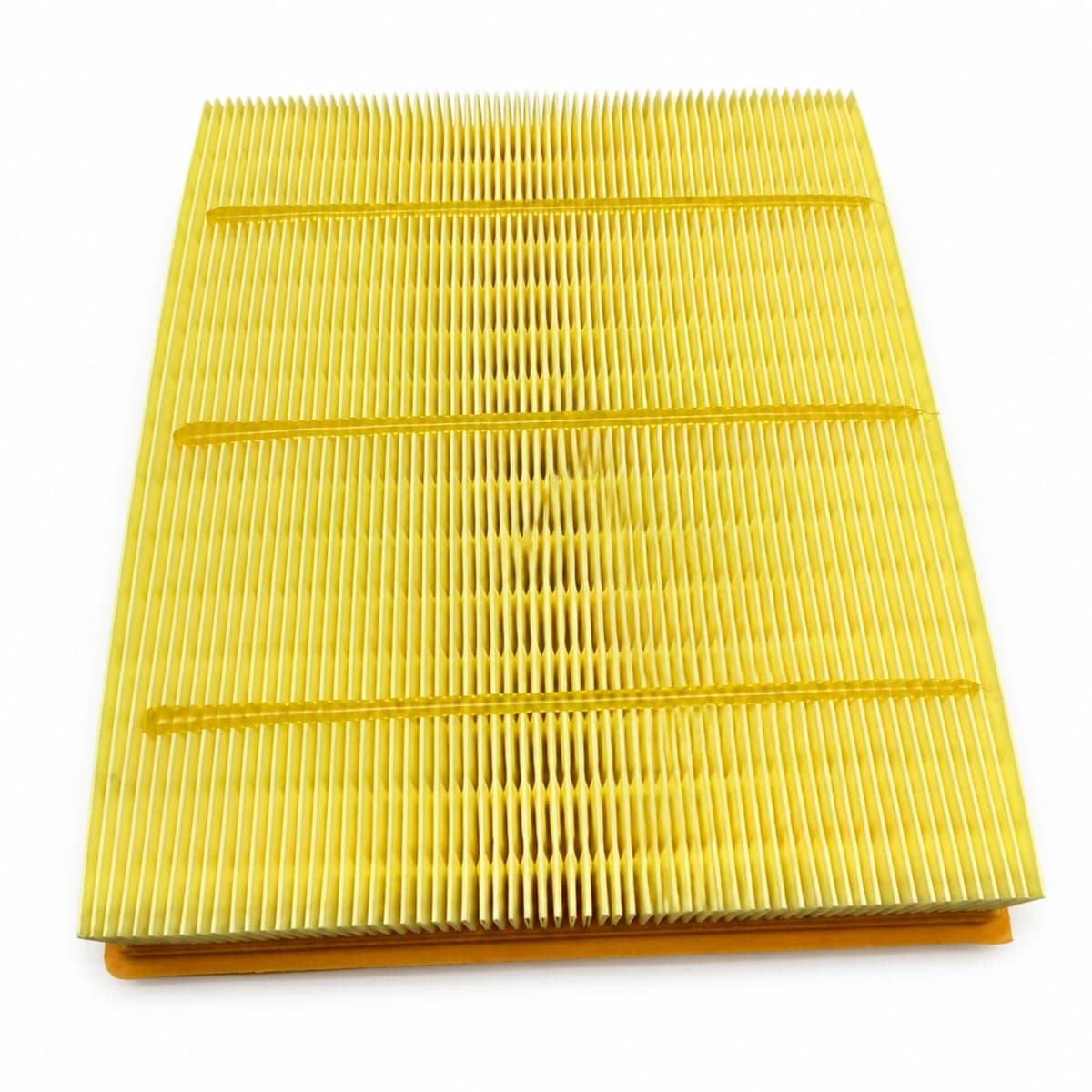
For engine air filters, buyers may review the correct media type, media cleanliness, pleat formation, pleat damage, media-to-frame bonding, frame dimensions, seal continuity and sealing-surface condition.
Where laboratory performance evidence is required, the agreed method should define what is being evaluated. ISO 5011:2025, for example, describes laboratory comparison of inlet air-cleaning equipment using characteristics such as airflow restriction, dust collection efficiency and dust capacity. Reference to this method does not indicate that Beling or a particular SKU has been tested to it. Buyers should request a report identifying the tested product, method, date and issuing laboratory.
Cabin filters
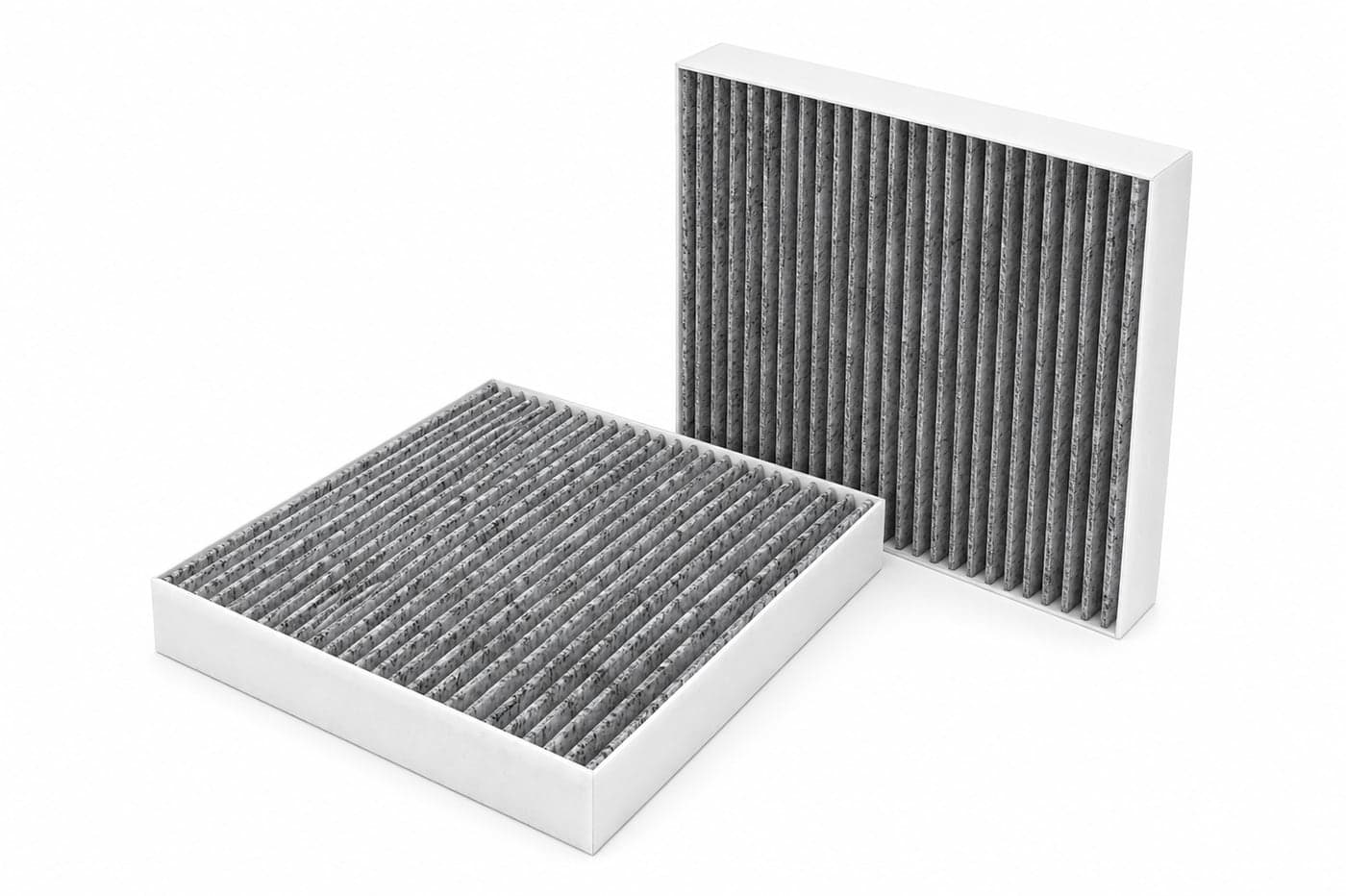
Cabin-filter inspection should account for the actual media construction. Possible checks include particulate-media identity, number and arrangement of layers, activated-carbon layer where specified, frame condition, media bonding, pleat condition, airflow-direction marking, dimensions and packaging protection.
Particulate filtration and gas adsorption are separate performance questions. ISO/TS 11155-1 addresses particulate-filtration assessment for passenger-compartment filters, while ISO 11155-2 addresses gaseous-filtration testing. A carbon layer should not be presented as automatic proof of a particular particulate or gas-removal result.
Oil filters
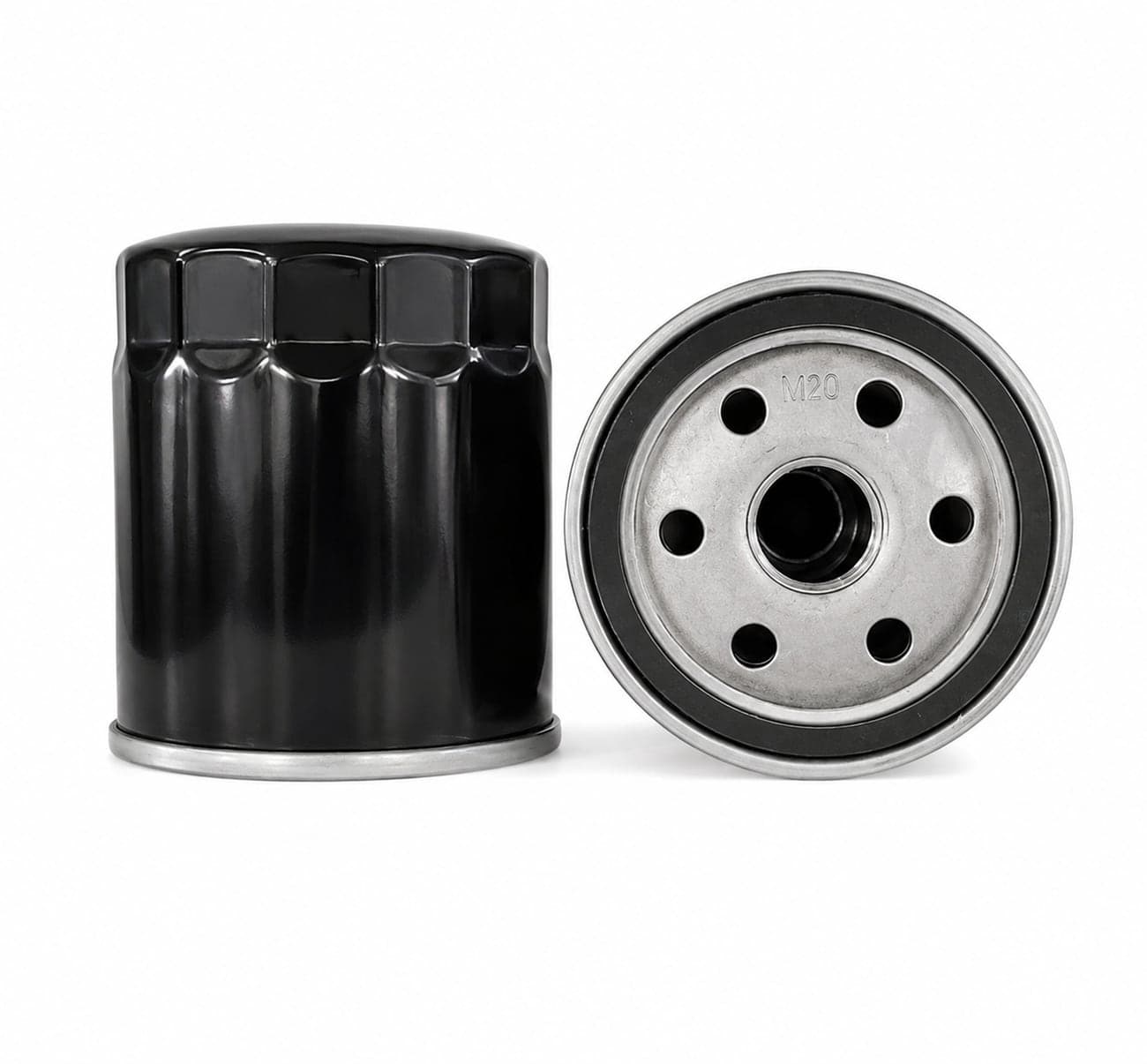
For spin-on or element-type oil filters, the inspection scope may include the correct thread where applicable, gasket dimensions and placement, sealing-surface condition, shell or housing condition, crimp appearance, internal configuration, specified valve components, filter-element dimensions, marking and packaging.
Where leakage-related verification is required, its method, frequency, acceptance criteria and available evidence should be confirmed for the individual oil-filter SKU and purchase program.
The ISO 4548 series contains different test methods for full-flow lubricating-oil filters. ISO 4548-12, for example, addresses filtration efficiency, contaminant retention and differential pressure under its defined conditions. The applicable method and availability of SKU-specific test evidence must be confirmed; listing the standard is not evidence that a product has passed it.
Fuel filters
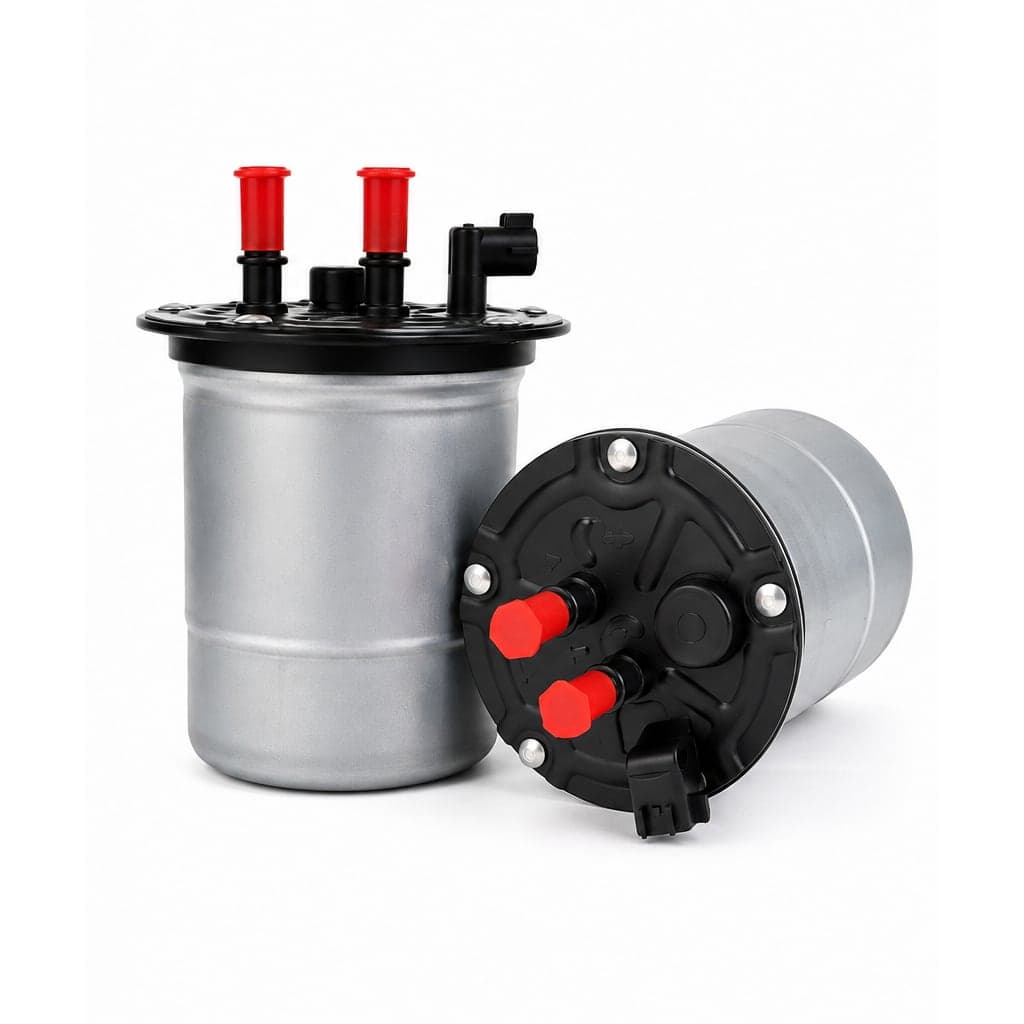
Fuel-filter inspection may review connection type and dimensions, seal or O-ring identity, housing and joint condition, media construction, internal component arrangement, cleanliness, batch identity, packaging protection and compatibility with the specified fuel and operating conditions.
Depending on the fuel-filter design and agreed requirement, requested evidence may concern leakage, pressure, particulate removal, contaminant capacity, differential pressure or water separation. Not all characteristics apply to every fuel-filter SKU.
ISO 19438:2023 describes a multi-pass method for evaluating filtration efficiency, contaminant capacity and differential pressure for qualifying diesel and petrol filters within its scope. It should not be used as a generic claim for products that have not been evaluated under that method.
Sampling inspection vs. inspection of every unit
Sampling inspection evaluates selected units from a defined lot. Inspection of every unit checks a specified characteristic on every unit. Neither approach is automatically correct for every situation.
A sampling plan may be appropriate when the lot is clearly defined, units are produced under a stable process, the characteristic can be evaluated through attribute inspection, the parties have agreed the inspection level and historical performance supports the approach.
Inspection of every unit for a specified characteristic may be required when:
- The contract requires it.
- The risk of a missed defect is unacceptable.
- The process is not sufficiently stable.
- A previous issue requires temporary containment.
- Automated verification forms part of the approved control plan.
Full-unit inspection of one characteristic does not mean every characteristic has been verified. It also does not replace process control, and some hidden characteristics cannot be evaluated after assembly without destructive or laboratory testing.
If an AQL-indexed sampling scheme is used, the parties should document the lot size, inspection level, sample size, defect classifications and acceptance or rejection numbers. ISO 2859-1:2026 provides sampling schemes indexed by Acceptance Quality Limit for lot-by-lot inspection by attributes.
An AQL is part of a sampling decision system. It should not be marketed as a promise that every shipment contains a fixed percentage of acceptable or defective products.
How buyers should review a QC report
A useful QC report allows another qualified person to understand what was inspected, against which requirement and with what result.
Match every result to a requirement
The report should identify the supplier and buyer, purchase order, SKU, batch or lot, inspection date, sample quantity, acceptance criterion, inspection or test method, actual result, pass or fail status, reviewer and supporting photographs where useful.
“Looks good” is not a measurable result. Likewise, a number without a requirement does not show conformity.
Separate pass, hold and release decisions
These terms should not be used interchangeably:
- Pass: The inspected characteristic met its stated acceptance criterion.
- Hold: The product or lot cannot proceed until an issue is resolved or reviewed.
- Release: An authorized person has confirmed that the shipment may proceed.
A report can contain passed checks while the shipment remains on hold because another requirement is incomplete.
Handle deviations explicitly
When a result does not match the approved requirement, the supplier should:
- Identify and contain the affected product.
- Record the nonconformance.
- Determine the affected quantity or batch.
- Investigate the cause where required.
- Propose correction, rework, replacement or another disposition.
- Reinspect affected characteristics.
- Obtain buyer approval for any accepted deviation.
- Retain the decision with the batch record.
An unapproved deviation should not be hidden inside a general passed report.
Review evidence, not just formatting
A polished report is useful only when it is connected to actual products and records. Buyers should verify that photos show the correct SKU, measurements relate to the approved characteristic, sample quantities are stated, test reports identify the evaluated product, dates and batch numbers are consistent, packaging images show the approved version, open issues remain visible and release authority is clear.
Buyer QC preparation checklist
Before requesting samples, production or inspection, prepare the following.
Product definition
- Buyer SKU and original reference data.
- Product category and target application.
- Drawing or critical dimensions where available.
- Required material or construction.
- Approved deviations recorded.
Sample and performance requirements
- Product sample approval owner.
- Packaging approval owner.
- Required test method or report.
- Acceptance criteria.
- Frequency of periodic testing.
- Proposed third-party testing or inspection requirement.
Order and packaging
- Quantity by SKU.
- Packaging type.
- Artwork version.
- Label and barcode data.
- Carton and pallet requirements.
- Destination-market information.
Inspection and release
- Defined lot or batch.
- Sampling or full-unit inspection scope.
- Defect classifications where used.
- Required inspection report.
- Deviation approval process.
- Shipment-release authority.
- Required loading and shipping records.
A buyer may request third-party inspection, but the inspection company, timing, access, scope, cost and acceptance criteria must be agreed with the supplier before the order is released.
A complete enquiry gives the supplier a better basis for confirming feasibility, evidence and timing. Buyers can review Beling's automotive filtration supply solutions and submit a product list, required evidence and proposed inspection scope for feasibility review.
Important note on reference standards
The standards below are included to help buyers identify possible test methods. Their inclusion does not state that Beling, its facilities or any individual product is certified, accredited or tested to every listed standard. Buyers should confirm the applicable edition, test scope, issuing laboratory and SKU-specific evidence before relying on a report.
- ISO 2859-1:2026 — Sampling procedures for inspection by attributes
- ISO 5011:2025 — Performance testing for inlet air-cleaning equipment
- ISO/TS 11155-1:2001 — Particulate-filtration testing for passenger-compartment filters
- ISO 11155-2:2009 — Gaseous-filtration testing for passenger-compartment filters
- ISO 4548-12:2017 — Filtration-efficiency testing for full-flow lubricating-oil filters
- ISO 19438:2023 — Filtration-efficiency testing for diesel and petrol filters
The applicable standard, edition, method and acceptance criteria should be confirmed for the individual product program.
Related products
Continue to product scope.
Air Filters
Review category capability and available product records.
Cabin Filters
Review category capability and available product records.
Oil Filters
Review category capability and available product records.
Fuel Filters
Review category capability and available product records.
No SKU page is linked until it passes the existing publication, verification and indexing gates. Use the category page or send a product list for review.
FAQ
Questions from aftermarket buyers.
Next step
Move from research to a reviewed filter program.
Sources and review
- Beling Quality Information — Beling Automotive Filters
- Beling Manufacturing Capability — Beling Automotive Filters
- Beling Automotive Filter Products — Beling Automotive Filters
- Beling Private Label Program — Beling Automotive Filters
- Beling RFQ Requirements — Beling Automotive Filters
- ISO 2859-1:2026 — Sampling procedures for inspection by attributes — International Organization for Standardization
- ISO 5011:2025 — Inlet air cleaning equipment performance testing — International Organization for Standardization
- ISO/TS 11155-1:2001 — Passenger-compartment particulate filtration — International Organization for Standardization
- ISO 11155-2:2009 — Passenger-compartment gaseous filtration — International Organization for Standardization
- ISO 4548-12:2017 — Lubricating-oil filter efficiency testing — International Organization for Standardization
- ISO 19438:2023 — Fuel-filter efficiency testing — International Organization for Standardization
Reviewed by Beling Automotive Filters (Organization review) on August 21, 2026.