
Sourcing & Private Label
Automotive Filter Packaging Specification Guide for Private Label Buyers
A B2B buyer guide to automotive filter packaging specification, supplier evidence, decision controls and RFQ preparation for automotive aftermarket programs.

Answer first
Answer first
Automotive Filter Packaging Specification Guide for Private Label Buyers should be evaluated as a controlled buyer decision, not as a generic supplier claim. Buyers should define pack hierarchy, review product identity, confirm material and fit and document approval and revision. The exact requirements and evidence depend on the filter category, SKU, application, market, packaging and contract.
Key facts
Key points for buyer review
- Pack hierarchy: Define unit pack, inner pack, master carton, pallet and shipment-level protection.
- Product identity: Control SKU, reference, description, quantity, barcode and market information across every layer.
- Material and fit: Choose packaging dimensions and protection according to filter construction, route and handling.
- Approval and revision: Use artwork proofs, physical samples and controlled revisions before printing or packing.
The buyer decision behind this topic
Automotive Filter Packaging Specification Guide for Private Label Buyers should be evaluated as a controlled buyer decision, not as a generic supplier claim. Buyers should define pack hierarchy, review product identity, confirm material and fit and document approval and revision. The exact requirements and evidence depend on the filter category, SKU, application, market, packaging and contract.
A private label packaging specification should tell production what surrounds the filter at every level, which data appears on each surface and how approval is controlled. It is more than artwork: it connects protection, quantity, identity, branding and shipment handling.
Packaging requirements vary by filter construction, sales channel, destination and route. Market text and regulatory fields should be confirmed by the buyer or importer rather than inferred from a generic design.
Key factors buyers should evaluate
Pack hierarchy
Define unit pack, inner pack, master carton, pallet and shipment-level protection. Buyers should convert this consideration into a written requirement, identify who owns the decision and ask for evidence that represents the proposed product or program. A general capability statement is useful for screening, but approval should depend on information relevant to the actual order.
Product identity
Control SKU, reference, description, quantity, barcode and market information across every layer. Buyers should convert this consideration into a written requirement, identify who owns the decision and ask for evidence that represents the proposed product or program. A general capability statement is useful for screening, but approval should depend on information relevant to the actual order.
Material and fit
Choose packaging dimensions and protection according to filter construction, route and handling. Buyers should convert this consideration into a written requirement, identify who owns the decision and ask for evidence that represents the proposed product or program. A general capability statement is useful for screening, but approval should depend on information relevant to the actual order.
Approval and revision
Use artwork proofs, physical samples and controlled revisions before printing or packing. Buyers should convert this consideration into a written requirement, identify who owns the decision and ask for evidence that represents the proposed product or program. A general capability statement is useful for screening, but approval should depend on information relevant to the actual order.
Buyer decision table
| Review area | Buyer question | Evidence or output |
|---|---|---|
| Pack hierarchy | Define unit pack, inner pack, master carton, pallet and shipment-level protection. | Approved requirement, relevant record and open-item status |
| Product identity | Control SKU, reference, description, quantity, barcode and market information across every layer. | Approved requirement, relevant record and open-item status |
| Material and fit | Choose packaging dimensions and protection according to filter construction, route and handling. | Approved requirement, relevant record and open-item status |
| Approval and revision | Use artwork proofs, physical samples and controlled revisions before printing or packing. | Approved requirement, relevant record and open-item status |
Use one row per pack level and include dimensions, material, quantity, required data, artwork revision and approval evidence. Relevant product-family requirements can be reviewed through the air filter, cabin filter, oil filter and fuel filter category pages.
Create a production-ready packaging specification
1. Map the pack hierarchy
Define unit pack, inner pack, carton, pallet and shipment protection.
2. Assign product data
Control SKU, reference, description, barcode, quantity and orientation at each level.
3. Specify structure and material
Select dimensions, inserts, carton and protection according to the filter and route.
4. Approve artwork and physical fit
Use separate proof and packaging-sample decisions with clear revisions.
5. Release and reconcile material
Verify production print, packing quantity, obsolete stock and final shipment marks.
Packaging specification fields
Depending on the product and decision, buyers can request:
- Pack-level dimensions, material and quantity.
- SKU, barcode, reference and description source.
- Artwork file, language and revision approval.
- Physical fit and product-protection sample.
- Carton marks, pallet plan and reconciliation record.
A digital proof confirms content and layout, while a physical sample can confirm fit, assembly and print output. Buyers should decide which evidence is required at each gate.
Packaging specification gaps
Box-only scope. Inner packs, cartons and shipment protection remain undefined.
Unowned product data. Reference or barcode errors pass between technical and design teams.
Artwork-fit conflict. Approved graphics do not fit the physical pack or label area.
Obsolete material mixing. Old and new packaging revisions enter the same order.
Buyer checklist
Before approving the next step, confirm:
- Pack hierarchy has a defined requirement, owner and approval status.
- Product identity has a defined requirement, owner and approval status.
- Material and fit has a defined requirement, owner and approval status.
- Approval and revision has a defined requirement, owner and approval status.
- Product, packaging and commercial revisions are aligned.
- Evidence applies to the proposed SKU, batch or program scope.
- Deviations, limitations and assumptions remain visible.
- The next approval gate and change-notification rule are documented.
Related buyer resources
- Review the private label program when preparing the decision.
- Review the automotive filter product portfolio when preparing the decision.
- Review the private label automotive filters when preparing the decision.
- Review the request-for-quotation page when preparing the decision.
- Review the quality information when preparing the decision.
- Review the supply solutions when preparing the decision.
Discuss your product list and requirements
Send the SKU list, pack hierarchy, brand assets, barcode ownership, languages and route requirements through the private label packaging enquiry. Product and packaging approval should remain separate.
Related products
Continue to product scope.
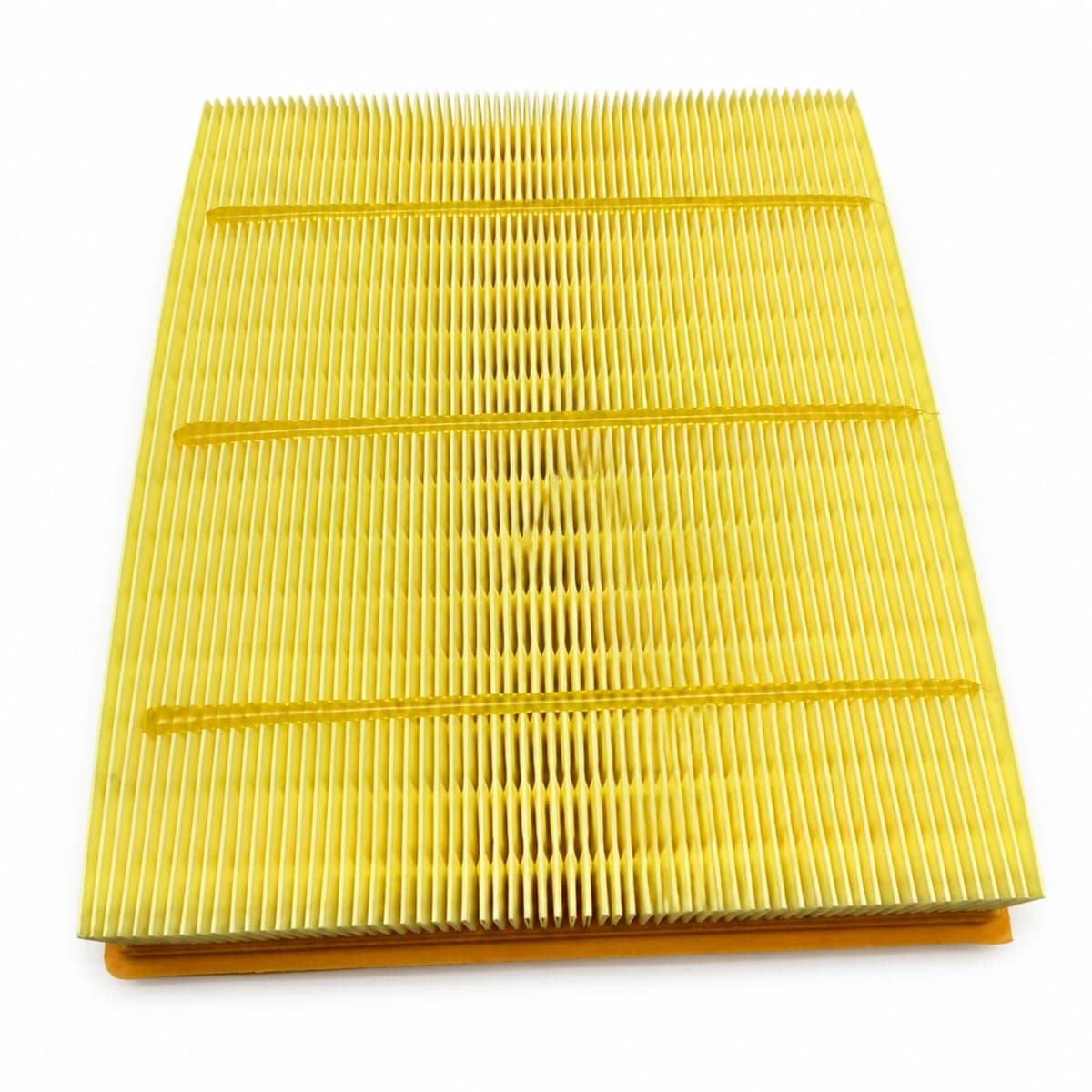
Air Filters
Review category capability and available product records.
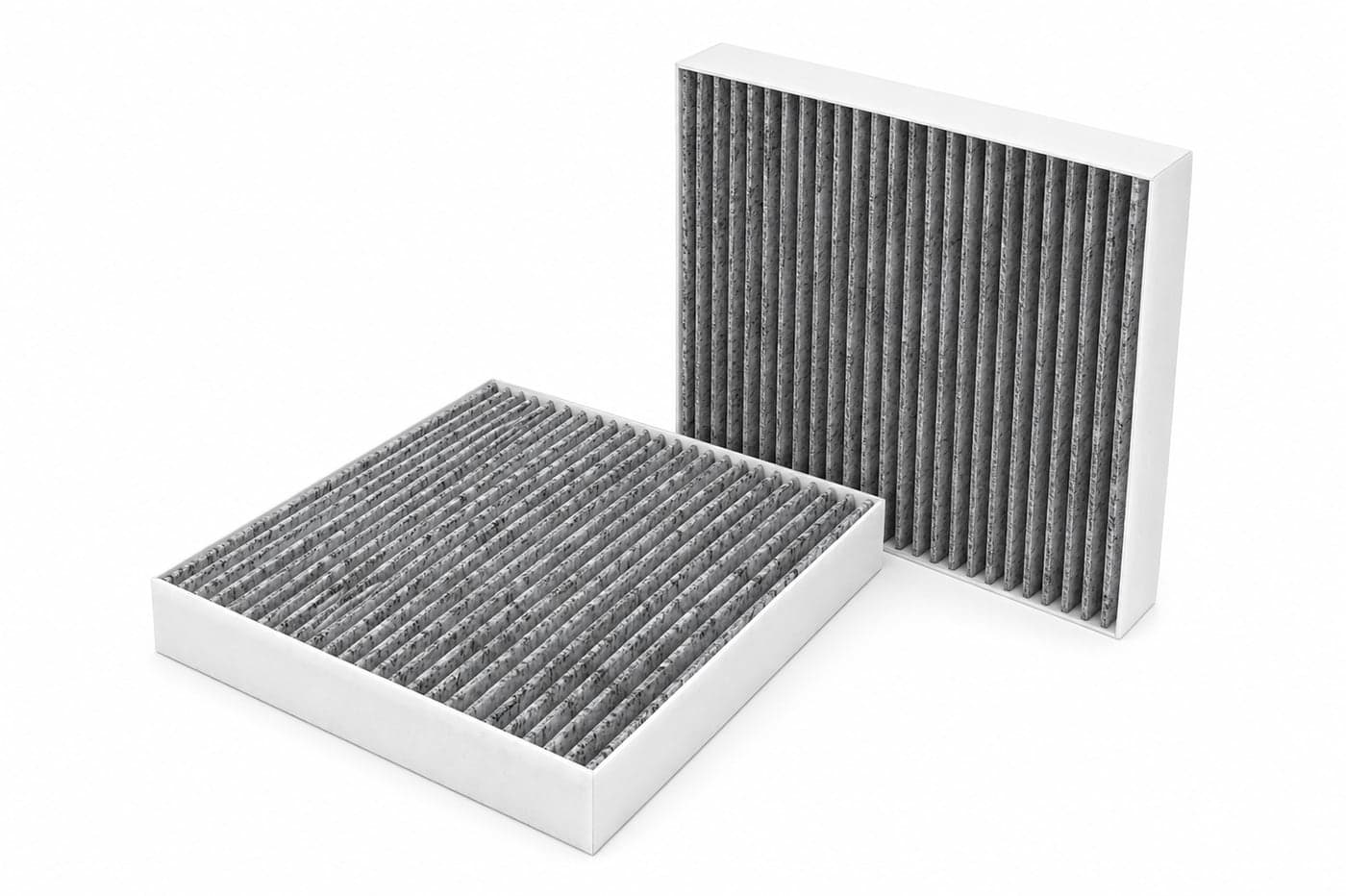
Cabin Filters
Review category capability and available product records.
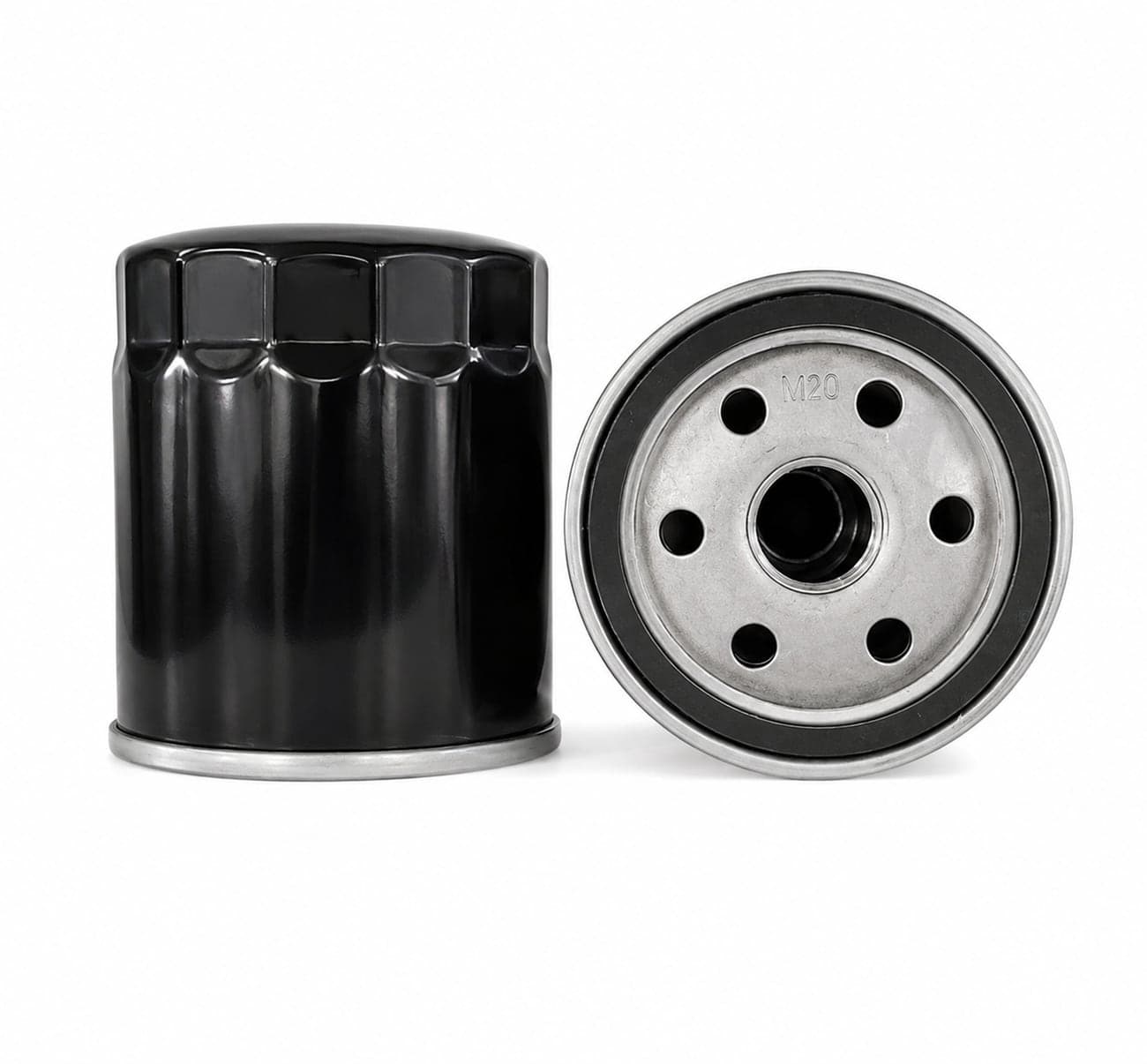
Oil Filters
Review category capability and available product records.
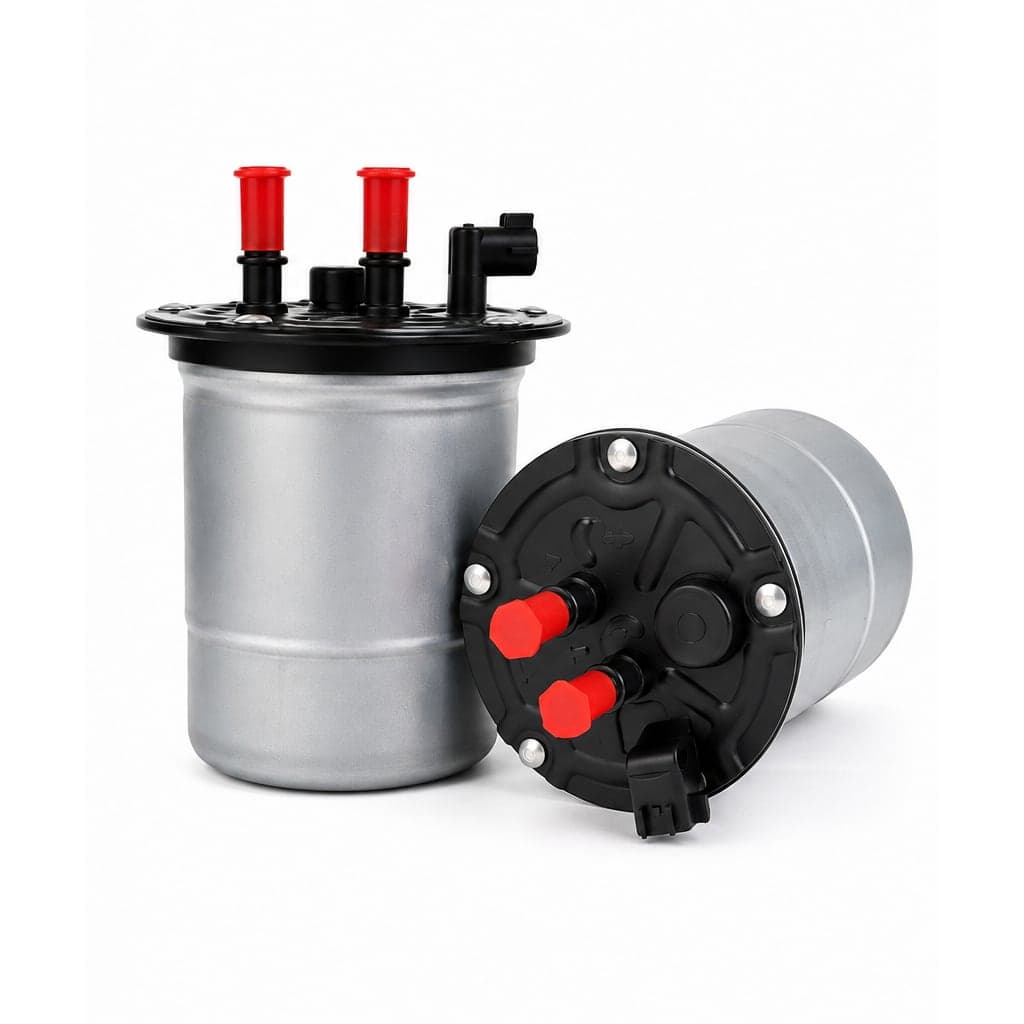
Fuel Filters
Review category capability and available product records.
No SKU page is linked until it passes the existing publication, verification and indexing gates. Use the category page or send a product list for review.
FAQ
Questions from aftermarket buyers.
Next step
Move from research to a reviewed filter program.
Sources and review
- Private Label Program — Beling Automotive Filters
- Automotive Filter Product Portfolio — Beling Automotive Filters
- RFQ Requirements — Beling Automotive Filters
- Quality Information — Beling Automotive Filters
- Automotive Filtration Supply Solutions — Beling Automotive Filters
Reviewed by Beling Automotive Filters (Organization review) on August 22, 2026.