Quality & Manufacturing
How to Evaluate an Automotive Filter Manufacturer
A practical framework for reviewing manufacturing control, application support, communication and supply readiness before approving an automotive filter supplier.

Answer first
Answer first
Automotive filter buyers should evaluate more than a supplier's catalog or certificate. A practical review covers product-list handling, application verification, sample approval, production controls, inspection evidence, change management and communication. The objective is to confirm that the manufacturer can translate documented requirements into repeatable supply without making unsupported product or fitment claims.
Key facts
Key points for buyer review
- Supplier qualification should connect commercial requirements with documented technical and quality review.
- An approved sample is useful only when production and change controls preserve the agreed requirements.
- OE numbers and cross-references should be treated as review inputs until their relationship is verified.
- Program-level evidence and SKU-level evidence should not be presented as if they were the same.
What buyers should evaluate first
An automotive filter manufacturer should be evaluated against the buyer's actual program: product categories, reference list, target markets, approval evidence, packaging, expected quantities and supply responsibilities. A factory presentation can support initial screening, but it does not prove that every requested SKU, process or performance requirement is available. The most reliable evaluation separates company-level capability from product-level approval and records what remains conditional.
For importers, distributors and private label brands, the decision is not simply whether a supplier can make filters. It is whether the supplier can review requirements accurately, produce the intended range under controlled conditions, communicate limitations and support repeatable orders. Purchasing, product, quality and supply-chain teams should assess the same evidence.
Start with a defined sourcing program
Supplier evaluation becomes vague when the buyer asks only for a catalog and price list. Before comparing manufacturers, prepare a program brief:
- Target air, cabin, oil or fuel filter families.
- Destination market and sales channel.
- Buyer SKU, OE or cross-reference inputs with original sources retained.
- Estimated quantity by SKU, marked as forecast or firm requirement.
- Neutral, branded or private label packaging expectations.
- Required sample, inspection, test or documentation evidence.
- Target decision date and realistic delivery requirement.
This creates a comparable baseline. If one supplier quotes neutral boxes, another includes printed packaging and a third excludes inspection documents, their prices do not represent the same program.
Separate company capability from SKU capability
A manufacturer may have broad production experience while a particular SKU still depends on tooling, components, media, validation or external processes. Buyers should use several approval levels.
| Evaluation level | What it answers | Typical evidence | Decision |
|---|---|---|---|
| Company | Is the organization a credible program candidate? | Legal identity, facility scope, organization and responsibilities | Screen, hold or reject |
| Product family | Are relevant processes available for this filter category? | Process flow, equipment scope, instructions and inspection points | Approve category review |
| SKU | Does the proposed product meet the buyer's requirement? | Controlled data, sample, dimensions, construction and applicable evidence | Approve, condition or reject |
| Order | Can approved products be produced, packed and delivered under agreed terms? | Quotation, MOQ, packaging revision, plan and shipment requirements | Release or hold |
Do not convert a company statement into an SKU approval. “We manufacture oil filters” does not confirm that a specific thread, gasket, valve arrangement, media construction or application has been reviewed.
Review how requirements enter the factory
Requirement review is a strong indicator of future working quality. Ask how buyer information enters the organization and how uncertain data is managed.
- Who reviews OE numbers, cross-references and applications?
- How are the buyer's original values preserved?
- How are conflicts, missing fields and superseded references recorded?
- Who can approve a technical substitution or deviation?
- How are product and packaging revisions connected to the order?
- What information is prevented from becoming a public compatibility claim until verified?
A reliable process can say “not yet confirmed.” An immediate yes to every reference may indicate that candidate matching is being treated as approval. Buyers with large lists should follow the OE and cross-reference review guide.
Evaluate manufacturing relevance
Factory size and equipment lists have limited value unless they relate to proposed products. During document review, video assessment or an on-site audit, follow representative SKUs through the relevant process.
Review incoming material identity, the approved product revision, setup and tooling responsibility, in-process checks, reaction to nonconforming output, finished-product inspection, packaging issue and final release. Ask for records that connect these stages to a batch or order.
The manufacturing capability page provides context for Beling's process presentation. A buyer audit should still define its own scope and use the supplier audit checklist for evidence and finding closure.
Review quality evidence without overgeneralizing
Quality evaluation should connect a requirement to a relevant record. Certificates, reports and inspection photos can be useful, but buyers should ask what product, revision, batch and conditions they represent.
The automotive filter quality control checklist covers the approval and shipment sequence. During supplier evaluation, focus on whether the manufacturer can:
- Identify the current requirement and acceptance rule.
- Select category-appropriate checks rather than one universal test list.
- Link results to an identified product or lot.
- Contain and document nonconforming material or product.
- Control rework, deviation and reinspection.
- Notify and review material, component or process changes.
Testing capability should be confirmed for the required method and SKU. Do not assume every test is performed internally or applies to every product. If external testing or third-party inspection is required, agree the provider, scope, timing, cost and acceptance criteria before order release.
Assess sample-to-production control
An attractive sample is not evidence of repeatable supply unless the supplier can explain what it represents. The approval record should identify the SKU, construction, material, dimensions, applicable performance evidence and packaging revision.
Ask how the approved sample is transferred into production controls. Useful evidence may include a specification, drawing, bill of materials, process instruction, inspection plan or identified reference sample. The exact combination depends on the product.
Use the sample approval checklist before production authorization. For recurring orders, the sample-to-production consistency guide explains approved baselines and change control.
Evaluate commercial and supply fit
Technical capability alone does not make a supplier suitable for every buyer.
| Commercial factor | Buyer review | Warning sign |
|---|---|---|
| MOQ | Is it defined per SKU, packaging design or total order? | One unexplained number for every reference |
| Lead time | Are approval, production, inspection, cargo-ready and transit dates separated? | One arrival promise without assumptions |
| SKU breadth | Can core and long-tail references be planned differently? | Pressure to add unvalidated SKUs |
| Packaging | Are product and artwork approvals separated? | Printing starts before SKU approval |
| Communication | Are owners and escalation rules documented? | Important changes remain only in chat |
| Change control | Does the buyer approve relevant changes? | Substitutions are treated as routine |
Use the MOQ and inventory planning guide to compare production constraints with distributor demand.
Use a weighted supplier scorecard
A scorecard improves consistency when its criteria reflect buyer risk. A private label launch may place greater weight on packaging governance; a technical replacement program may emphasize application review and evidence.
Recommended areas include requirement review, relevant manufacturing processes, quality evidence, sample and change management, packaging control, export coordination, commercial fit and communication. Record the evidence behind every score. Some criteria should be mandatory gates rather than points offset by unrelated strengths.
Buyer approval checklist
Interpret limitations and red flags
Supplier evaluation should not reward certainty where the evidence is incomplete. A conditional answer with a clear validation plan can be more useful than an immediate commitment that has no product-level support. Record limitations such as unavailable tooling, unconfirmed application data, external testing, purchased components or packaging that still requires supplier review.
Red flags include changing the product description between quotation and sample, removing the buyer's original reference source, presenting an unrelated report as SKU evidence, starting production before required approvals, or declining to identify who authorized a substitution. None of these points proves that every product from the supplier is unsuitable, but each requires containment and a documented resolution before the affected scope is approved.
Buyers should also examine their own process. Frequent late changes, conflicting artwork, incomplete quantities and unclear decision ownership make supplier performance harder to assess. A fair evaluation distinguishes supplier gaps from buyer-controlled inputs and establishes one current requirement baseline for both parties.
Plan periodic reassessment
Approval is not permanent. Reassess the relevant scope after significant material, component, process, facility or ownership changes; repeated quality or delivery issues; expansion into a new filter family; or changes to market and documentation requirements. The review can be narrower than the original audit when the trigger is limited, but its decision and evidence should still be recorded.
Before approving a manufacturer, confirm:
- The evaluated legal entity and facility are identified.
- The scope matches the proposed filter families and program.
- Buyer references remain traceable to their source.
- Company, category, SKU and order approvals are separated.
- Representative samples and packaging revisions are identified.
- Quality evidence is relevant to proposed products.
- MOQ, lead-time milestones and assumptions are recorded.
- Material, process and packaging change rules are agreed.
- Open findings have owners and due dates.
- The approved scope and next review trigger are documented.
Make the supplier decision reviewable
The goal is a controlled decision, not a perfect score. A supplier may be approved for a limited product family, held pending evidence or approved with conditions that close before production. Keeping scope visible prevents an early discussion from becoming a universal commitment.
Prepare the filter categories, product list, target market, packaging needs, quantities and evidence requirements, then request a supplier review. SKU feasibility and final commercial terms should be confirmed against that specific scope.
Related products
Continue to product scope.
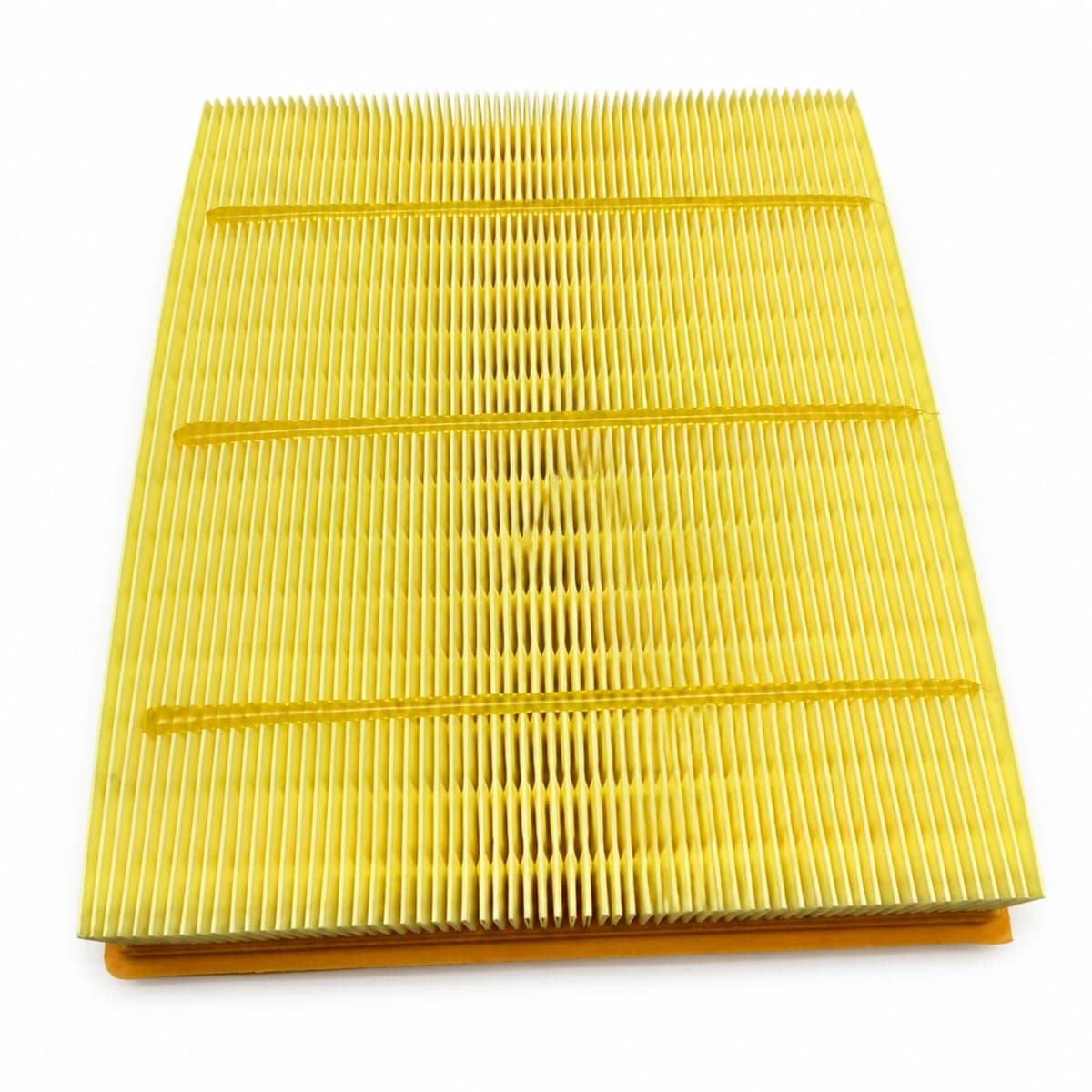
Air Filters
Review category capability and available product records.
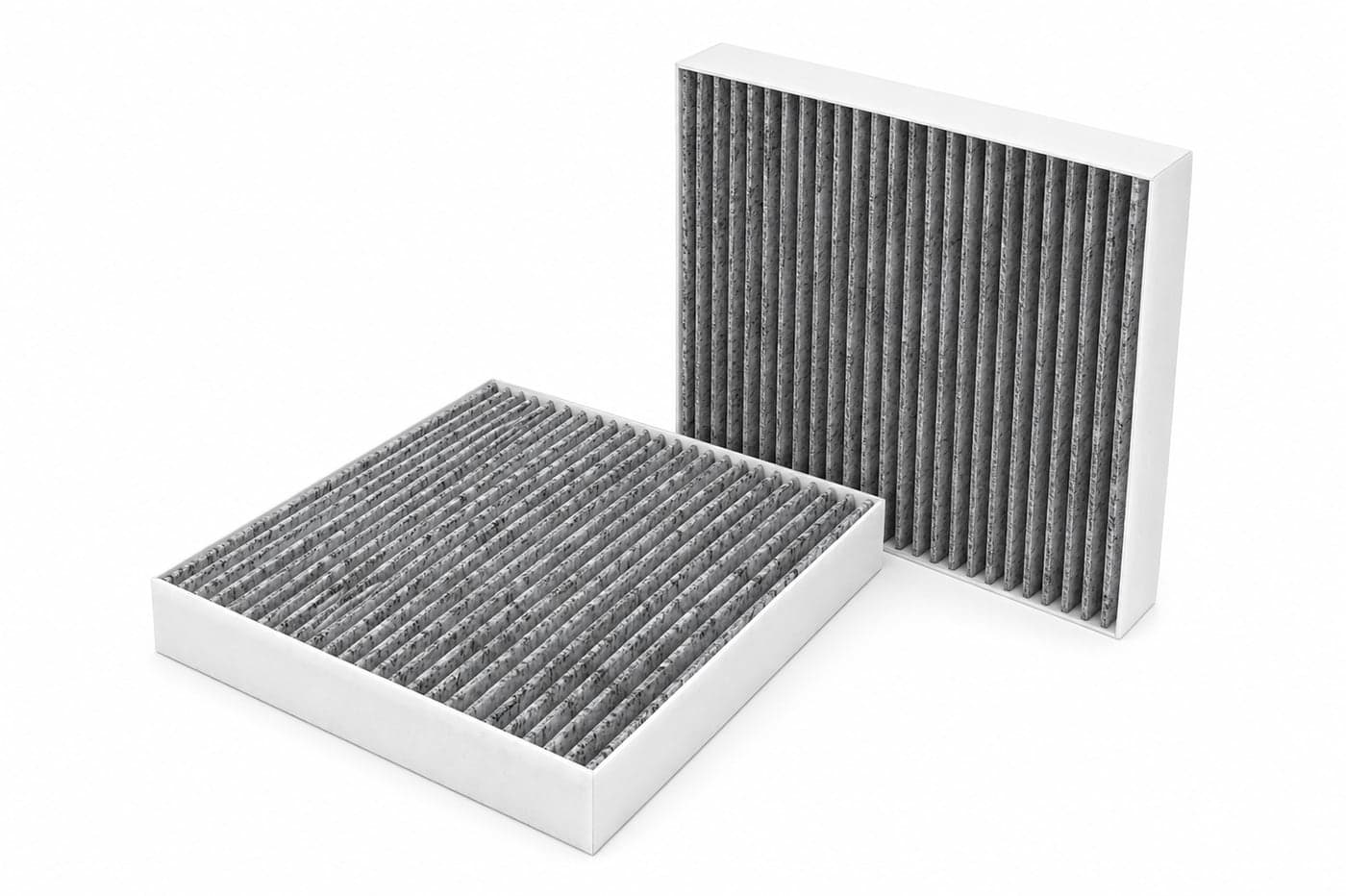
Cabin Filters
Review category capability and available product records.
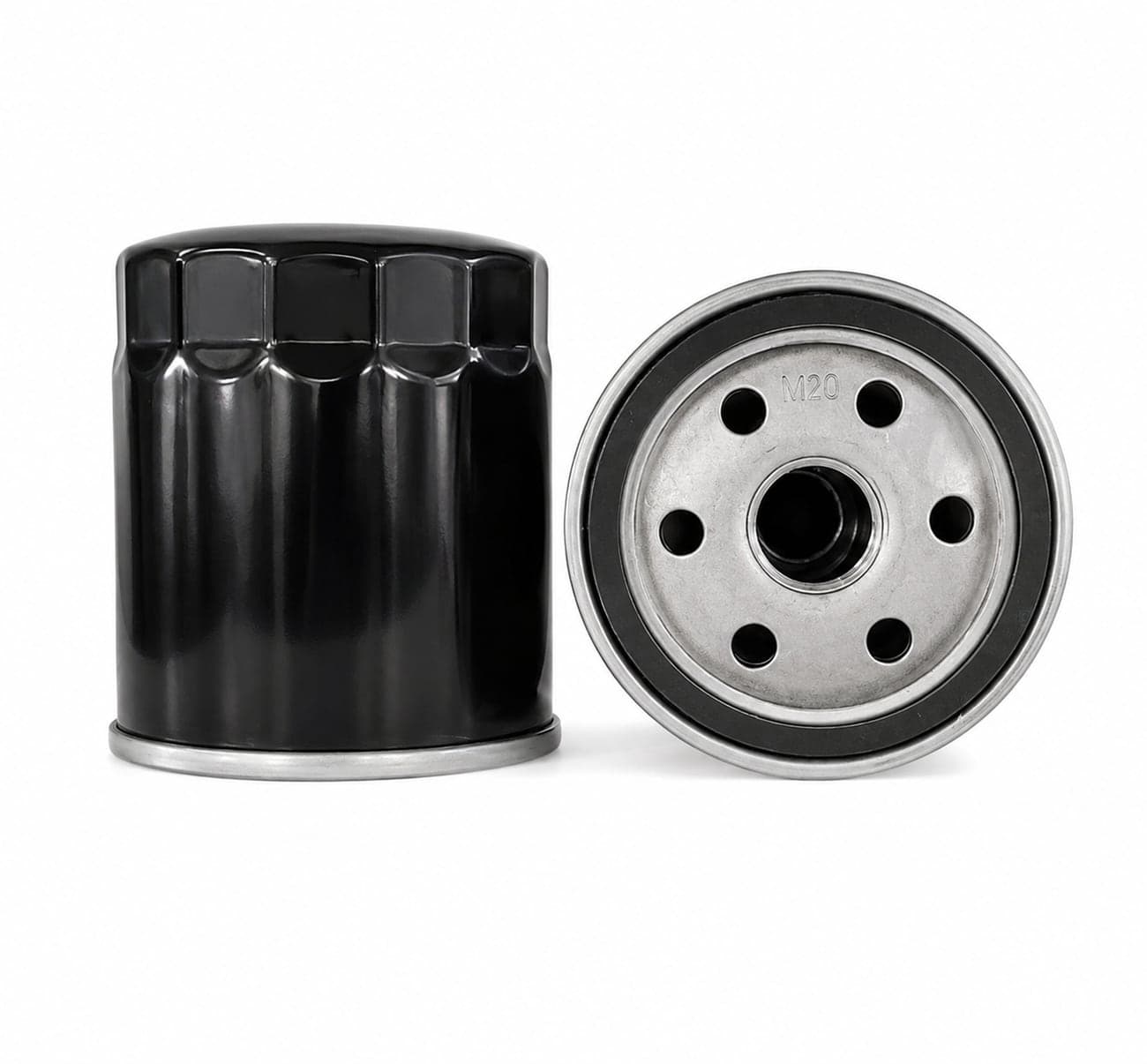
Oil Filters
Review category capability and available product records.
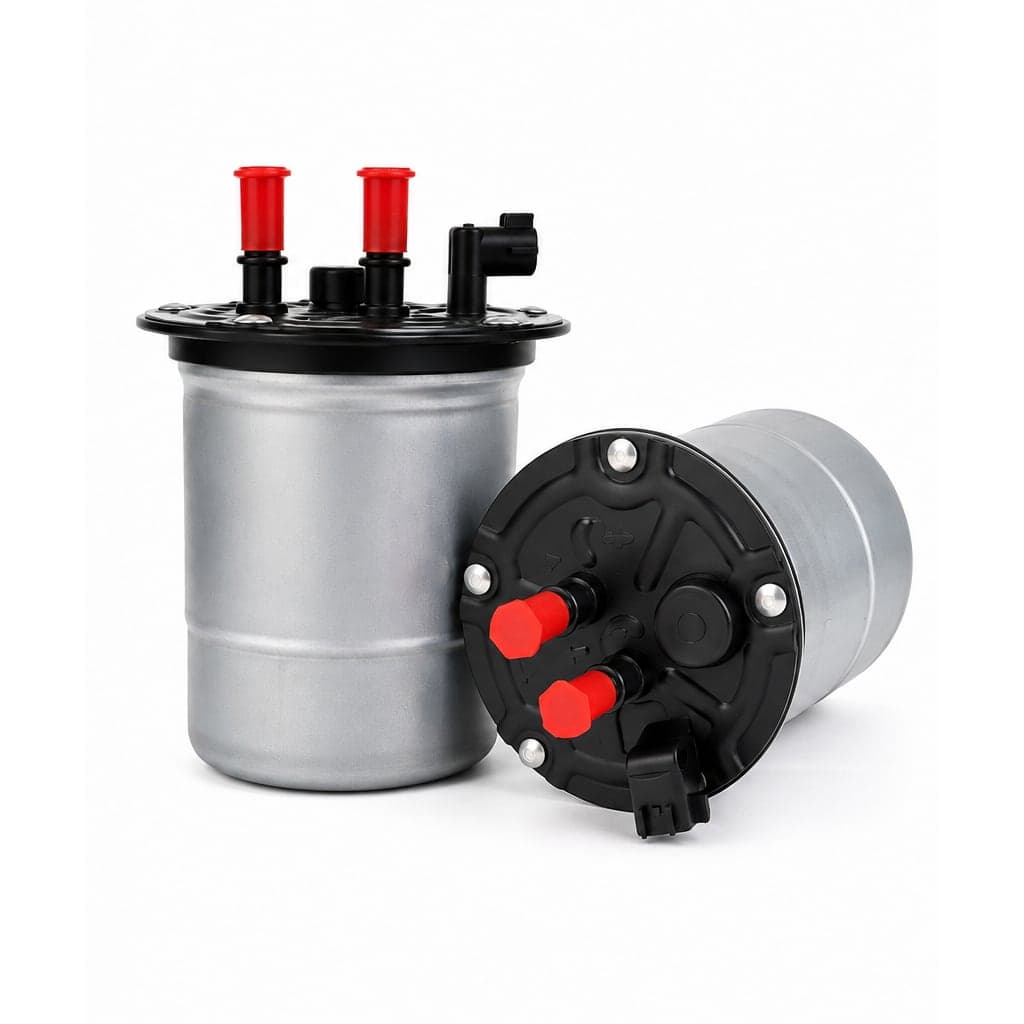
Fuel Filters
Review category capability and available product records.
No SKU page is linked until it passes the existing publication, verification and indexing gates. Use the category page or send a product list for review.
FAQ
Questions from aftermarket buyers.
Next step
Move from research to a reviewed filter program.
Sources and review
- Beling Quality System — Beling Automotive Filters
- Beling Manufacturing Capability — Beling Automotive Filters
- Beling Product Category System — Beling Automotive Filters
Reviewed by Beling Automotive Filters (Organization review) on August 22, 2026.