
Sourcing & Private Label
Automotive Filter MOQ and Inventory Planning Guide for Distributors
A practical framework for connecting automotive filter MOQ, SKU mix, private label packaging, demand evidence and replenishment planning.

Answer first
Answer first
There is no universal automotive filter MOQ. A workable quantity depends on product construction, per-SKU production constraints, packaging, order frequency, lead time and the distributor's inventory strategy. Buyers should compare supplier requirements with SKU-level demand, on-hand and inbound stock, target availability and review timing before approving an order. Forecasts should remain conditional and be updated with actual sales and replenishment performance.
Key facts
Key points for buyer review
- MOQ is a production and commercial constraint; it is not automatically the quantity a distributor should hold in stock.
- Per-SKU product and packaging requirements should be separated from order-level consolidation and shipment planning.
- A/B/C classification should be based on the distributor's own demand evidence and reviewed as market conditions change.
- A forecast supports planning but does not reserve materials, capacity or stock unless the commercial agreement states that clearly.
Why MOQ and inventory planning are connected
Minimum order quantity, or MOQ, is the smallest quantity a supplier is prepared to produce or supply under a defined set of commercial and technical conditions. It is not the same as the quantity a distributor should hold in stock. MOQ begins with production, material, packaging and handling requirements; inventory planning begins with demand, replenishment time, cash allocation and service objectives. A workable purchase plan connects both sides.
When MOQ is discussed without inventory context, a buyer may accept quantities that fit a production batch but do not fit the market. When inventory is planned without supplier constraints, the buyer may create a replenishment plan that cannot be produced, packed or shipped as assumed. The discussion should therefore start with the SKU list and continue through demand, packaging, order frequency, lead time and delivery expectations.
Inventory affects working capital and customer availability in opposite ways:
- More stock may give the distributor more coverage between replenishments, but it also commits cash, shelf space and handling capacity.
- Less stock reduces the initial commitment, but it can increase replenishment pressure when demand or lead time changes.
- A broader SKU range may improve catalogue coverage, but every additional reference creates another demand pattern, stock position and reorder decision.
- A narrower SKU range is easier to control, but it may omit applications that are important to the target channel.
Too much of a slow-moving reference can remain in the warehouse while a core reference is unavailable. Too little of a regular-demand reference can create a supply gap even when total inventory value looks high. The useful question is not “How much inventory do we have?” but “Do we have the right quantity of the right SKU for the next realistic replenishment period?”
MOQ is therefore one input to inventory planning, not automatically the largest cost factor and not a universal recommendation. Buyers should compare the supplier's feasible quantity with their own demand evidence before approving an order.
What determines automotive filter MOQ?
An automotive filter MOQ should be connected to the exact product and order configuration being quoted. A number from one program may not apply to another because the tooling status, component availability, filter construction, packaging and SKU mix may be different.
Production batch requirements
Manufacturing involves setup and preparation before finished filters can be produced. Depending on the filter and process, this may include preparing media, frames, metal components, seals, adhesives, tooling, work instructions, inspection criteria and packaging materials. Production lines also need a planned sequence so that changeovers, cleaning, material handling and quality checks can be completed under controlled conditions.
A supplier may set an MOQ because an extremely small run would create disproportionate setup, material or handling requirements. The relevant constraint may be the finished filter, but it may also come from a purchased component or packaging material. Buyers should ask which factor drives the quoted MOQ rather than assuming the number is simply a sales policy.
The manufacturing capability overview can help buyers understand the production context, but a quotation still needs SKU-level confirmation. For a productive discussion, request:
- The MOQ unit: pieces per SKU, pieces per design, cartons, order value or another basis.
- Whether the quantity applies to one production batch or the complete purchase order.
- Which material, component or setup creates the constraint.
- Whether the quoted quantity changes when specifications or packaging change.
- Whether the quantity is a firm requirement or a planning estimate subject to final review.
Filter type and product complexity
Air, cabin, oil and fuel filters use different constructions and processes. Even within one category, two references may have different components, dimensions or manufacturing routes.
- Air filters may require filter media, molded or bonded frames, seals and category-specific pleating or assembly. Frame tooling and component preparation can influence a run.
- Cabin filters may use particulate, multilayer or activated-carbon constructions. The media combination, frame style and packing configuration can change the preparation required.
- Oil filters may include metal shells, base plates, center tubes, valves, gaskets and media assemblies, depending on the design. Component availability and assembly sequence can affect feasible quantities.
- Fuel filters vary in housing material, sealing construction, media and water-separation requirements where applicable. Compatibility and product-specific parts should be confirmed before quantity planning.
The four families on the automotive filter product portfolio should not be treated as one interchangeable MOQ group. Buyers should review each SKU against its actual design, available tooling and approved specification. The fact that a supplier can manufacture a category does not prove that every reference can use the same batch size.
Packaging and private label requirements
Packaging can create a separate MOQ from the filter itself. Standard neutral packaging may use materials already available for regular production, while private label programs may require printed boxes, labels, cartons, inserts, protective materials or market-specific information.
The practical constraint may come from a printing supplier's run, the number of designs, the carton configuration or the need to allocate packaging to multiple production batches. If one branded box is unique to every SKU, a wide product range can create many small packaging requirements. If an approved packaging system can be shared across references, the planning discussion may be different.
Before requesting a private label quotation, buyers should define:
- Brand and packaging ownership.
- Box, label and outer-carton requirements.
- Languages, regulatory information and market-specific fields.
- Whether each SKU needs unique artwork.
- Inner pack and master-carton quantities.
- Approval responsibilities for artwork, color, dimensions and printed data.
- How unused printed materials should be handled if demand changes.
The private label program overview explains the broader workflow. Quantity should be agreed only after product and packaging requirements are sufficiently clear; “custom packaging” by itself is not a complete specification.
SKU mix and order consolidation
Distributors rarely purchase only one filter reference. A commercial range may include fast-moving core items, regular-demand products, lower-frequency coverage references and new applications. This creates two quantity questions:
- What is feasible for each SKU or production configuration?
- What is practical for the combined purchase order and shipment?
Order consolidation can coordinate categories, cartons or shipment timing, but it does not automatically remove per-SKU production or packaging constraints. A mixed order may also create sequencing, inspection and documentation work that should be planned. Buyers should ask the supplier to separate per-SKU constraints from order-level or shipment-level requirements.
| MOQ factor | Buyer consideration | Supplier discussion point |
|---|---|---|
| Production setup | Does the planned quantity justify the required setup and changeover? | Which process or setup establishes the batch requirement? |
| Material or component availability | Are any parts unique, purchased to order or shared with other references? | Is the constraint based on finished filters or an input component? |
| Product complexity | Does the SKU require a distinct construction, tooling route or inspection plan? | Can the specification be produced using an established configuration? |
| Packaging | Is packaging neutral, shared or unique by SKU? | Does printing or packing create a separate minimum? |
| SKU count | Will quantity be spread across many low-volume references? | Which requirements apply per SKU and which apply to the combined order? |
| Order frequency | Is this a trial, regular replenishment or planned program? | Can future order timing be reviewed without assuming guaranteed flexibility? |
| Delivery plan | Will the order ship together or in agreed stages? | What production, storage, documentation and commercial conditions apply? |
How distributors should plan automotive filter inventory
Inventory planning should begin with SKU-level demand and replenishment reality, not with a factory MOQ copied into every line. A simple planning file can be effective if its inputs are controlled, owners are clear and actual results are reviewed regularly.
Understand product demand
Use the best available evidence for each reference. Depending on the maturity of the business, this may include:
- Historical sell-out or shipment quantities by month.
- Order frequency and customer concentration.
- Current on-hand stock and confirmed outbound commitments.
- Open purchase orders and realistic arrival dates.
- Vehicle applications and market coverage relevant to the sales territory.
- Tender, fleet, promotion or project demand identified separately from recurring demand.
- Seasonality or service patterns supported by the buyer's own records.
- Substitute, superseded or overlapping references.
Historical sales are useful but require interpretation. A period with no sales may mean weak demand, or it may mean the item was out of stock. A single large order may be a recurring customer requirement, or it may be a one-time project. Sales targets should not be treated as confirmed demand without supporting evidence.
For each SKU, the buyer can calculate an inventory position:
Inventory position = usable on-hand stock + confirmed inbound stock − committed outbound quantity
The result should then be compared with expected demand during the realistic replenishment period. The replenishment period may include order review, production, inspection, documentation, booking, transport, customs and local delivery. Assumptions should be updated from actual performance rather than retained because they were once entered into a spreadsheet.
Classify products by inventory priority
An A/B/C framework gives different planning attention to different demand profiles. It should be created from the distributor's data; there is no universal percentage or fixed list size.
- A items — high-demand or business-critical references. These usually need the closest review, the most reliable demand inputs and clear replenishment triggers. Customer sensitivity may be high when they are unavailable.
- B items — regular-demand references. These support range continuity but may not require the same review frequency or stock depth as the core group.
- C items — lower-frequency, uncertain or application-specific references. These need careful justification because wide coverage can create inventory commitment without regular movement.
Classification should not be permanent. Vehicle populations change, customer contracts begin and end, references are superseded, and new product introductions either develop or fail to develop demand. Review the classification at a defined interval and when the market provides new evidence.
ABC is a prioritization tool, not a complete purchasing rule. Two items with similar annual volume may need different treatment if one has stable monthly demand and the other is driven by occasional projects. Buyers may also add flags for margin, customer criticality, supply risk or obsolescence exposure.
Plan new product introductions
New SKUs have limited history, so their initial quantities should be linked to a stated hypothesis rather than presented as precise forecasts. Evidence may come from current customer requests, vehicle applications, an existing equivalent range, catalogue gaps, sales-team input or confirmed launch activity.
A controlled introduction can follow four steps:
- Validate the application and reference data. Confirm that the product belongs in the intended market range.
- Define the role of the SKU. Decide whether it is a core launch item, a range-completion item or an application-specific addition.
- Set an initial review point. Agree when sell-out, inquiries, remaining stock and open orders will be reviewed.
- Expand using evidence. Add quantity or additional references only when the actual market response supports the change.
This approach does not guarantee lower inventory or uninterrupted availability. It creates a documented way to learn from the launch before committing to a broader range.
Important data buyers should prepare before requesting MOQ
A supplier can give a more useful quantity response when the inquiry identifies the product, market and order configuration. Before asking for MOQ or pricing, prepare:
- SKU list: the buyer's part number and any existing range classification.
- OE and cross-reference data: with the original source identified where possible.
- Target market: country, channel and vehicle applications relevant to the request.
- Estimated demand: by SKU and period, separating recurring demand from projects or promotions.
- Packaging requirements: neutral or private label, artwork structure, languages, labels and carton requirements.
- Current inventory: usable stock by SKU and any stock that is blocked, obsolete or committed.
- Sales history: quantities and frequency, with stockout periods and one-time orders marked.
- Forecast period: the time horizon and assumptions used.
- Required delivery schedule: requested dates, destination and whether staged delivery is being considered.
Also state which fields are confirmed and which are provisional. An inquiry based on unverified application data should not be treated as a final production release. The quality information and sample-approval process remain relevant even when the immediate question is commercial quantity.
A useful request file has one row per SKU and separate columns for product reference, description, category, quantity, packaging, target delivery, current stock, recent demand and notes. Avoid combining multiple references in one free-text cell. Clear data reduces interpretation risk during quotation review.
MOQ considerations for private label automotive filters
Private label planning has two related inventories: finished filters and branded packaging. Their quantities may not move at the same rate. A packaging order might cover more than one production batch, while a product specification or artwork change can make remaining materials unusable.
Before approving quantities, private label buyers should align:
- Which SKUs launch under the brand and which remain for a later phase.
- Which packaging elements are shared and which are SKU-specific.
- Who approves product data, applications, claims, barcodes and languages.
- Whether packaging quantities and product quantities use different units.
- How design revisions, reference changes or range discontinuations will be controlled.
- Whether remaining materials can be used in a later order, subject to agreed commercial and storage conditions.
Private label packaging does not automatically mean a small or large MOQ. The result depends on the product list, artwork system, printing requirements and supplier arrangements. Buyers should request the finished-filter MOQ and packaging MOQ as separate lines where they are driven by different constraints.
The supplier and buyer should also distinguish a forecast from a purchase commitment. A forecast can support planning discussions, but materials, capacity or stock should not be assumed reserved unless the commercial agreement states that clearly.
Balancing stock availability and inventory risk
The inventory decision is a trade-off, not a promise of zero risk.
| Position | Potential advantage | Main risk | Buyer control question |
|---|---|---|---|
| More inventory | More units available between replenishments | Cash, space and handling tied to stock that may move slowly | Is the quantity supported by SKU-level demand and a defined review date? |
| Less inventory | Lower initial stock commitment | More exposure to demand changes or replenishment delay | Is the reorder trigger early enough for the actual lead time? |
| Wider SKU range | Broader application coverage | More low-frequency lines to forecast and manage | Which references are core, expansion or on-demand? |
| Deeper core range | Stronger availability on selected items | Less capital available for range breadth | Are the selected items supported by current market evidence? |
Safety stock, minimum levels and maximum levels can be useful controls, but they should not be copied from a universal percentage. A buffer should reflect demand variability, lead-time variability, business criticality, review frequency and the cost of excess stock. Any formula should be understood by the team that maintains it.
Review both total inventory and the distribution of that inventory. A warehouse can hold a large quantity overall while still lacking key references. Conversely, an item can appear slow because recent demand was served from another brand or because the application data was incomplete. Inventory data should be discussed with purchasing, sales and warehouse teams before a SKU is classified or removed.
Building a practical filter product range
A distributor can organize its product range into planning roles instead of applying one order rule to every reference:
- Core products: references supported by repeat demand or strategic customer need. These receive the closest availability review.
- Expansion products: references added to close documented range gaps or support market growth. Their performance should be reviewed after introduction.
- Seasonal products: items with a repeatable seasonal pattern supported by local history. The timing assumption should be recorded.
- Replacement-demand products: references needed for the active vehicle parc or customer base, including lower-frequency applications that have a justified service role.
Some references may belong to more than one role. The purpose is not to create perfect labels; it is to document why each SKU is being stocked and what evidence will trigger a change.
For a new program, begin with a validated list rather than the longest possible catalogue. Confirm application data, identify core references, note gaps, and agree how additions will be reviewed. Range depth and range breadth should be decisions, not accidental results of accepting every quoted SKU.
Supplier discussions can then be organized around three outputs:
- A feasible quantity and packaging condition for each SKU.
- A consolidated order and delivery plan that respects those constraints.
- A review process using actual demand, inventory and replenishment results.
The automotive filtration supply solutions overview provides the wider manufacturing, quality and private label context. It should complement—not replace—the SKU-level quotation and order agreement.
Automotive filter MOQ planning checklist
Before discussing MOQ, buyers should prepare and confirm:
- The proposed product range and priority of each SKU.
- Target market, channel and relevant vehicle applications.
- Expected demand by SKU, including the evidence and forecast period.
- Current usable stock, committed quantity and confirmed inbound stock.
- Production specification and sample-approval status where applicable.
- Neutral or private label packaging requirements.
- Unique labels, boxes, inserts and outer-carton requirements.
- Realistic production, transport and delivery expectations.
- Inventory objectives for core, expansion and lower-frequency references.
- Planned review date and owner for forecast-versus-actual updates.
Use the checklist as an input to discussion, not as evidence that a quantity has been approved. Final MOQ, price, lead time and delivery conditions should be confirmed in the supplier's quotation and purchase agreement for the specific program.
Discuss your product list and supply requirements
When your SKU list, target market, demand assumptions and packaging requirements are ready, send the product list for quotation review. Beling can review the inquiry against the available product, manufacturing and private label information, then identify which quantities or specifications require clarification.
The resulting quotation should show what is confirmed, what remains conditional and which MOQ applies to each relevant unit. Buyers should retain the final product list, packaging approval and delivery conditions as the commercial baseline for the order.
Related products
Continue to product scope.
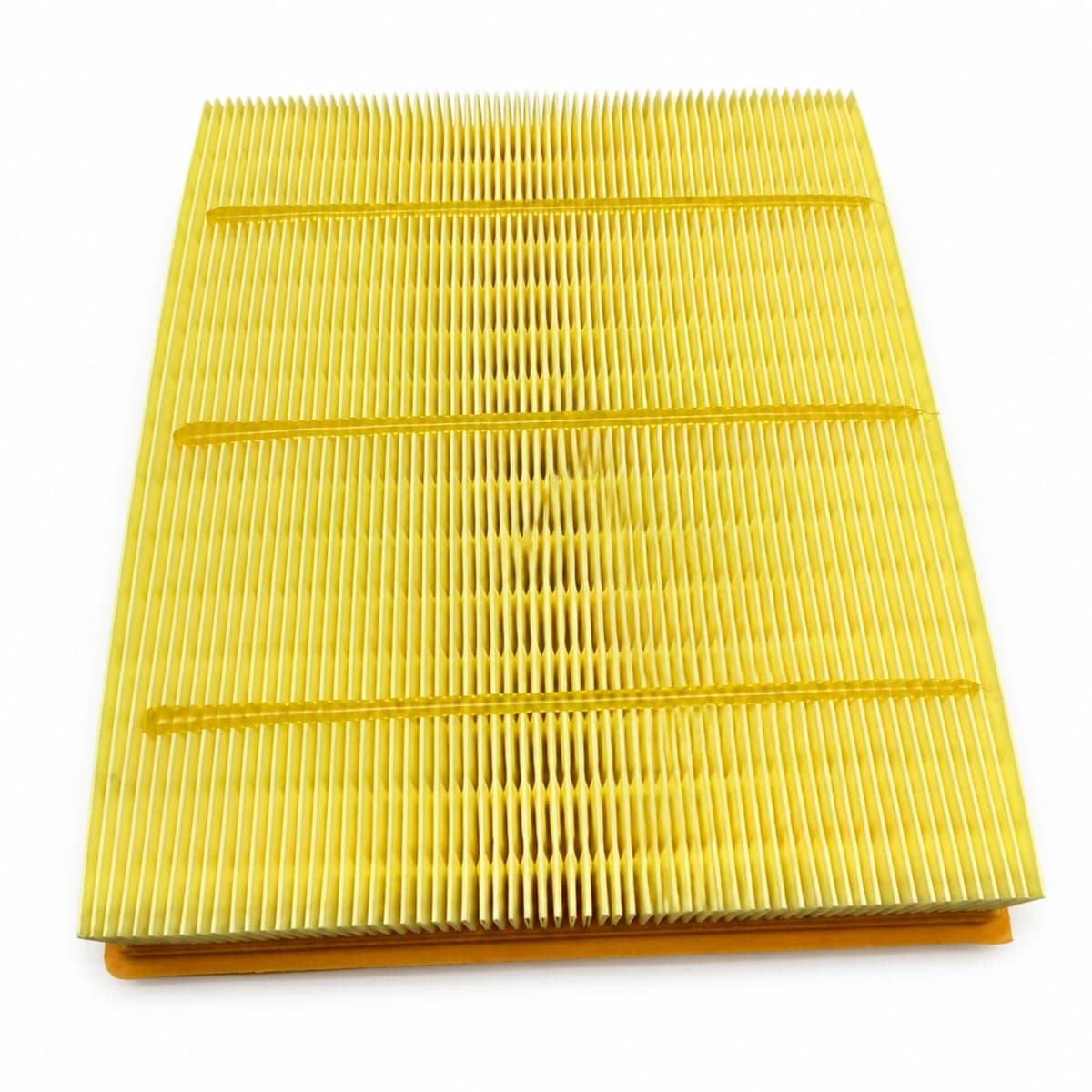
Air Filters
Review category capability and available product records.
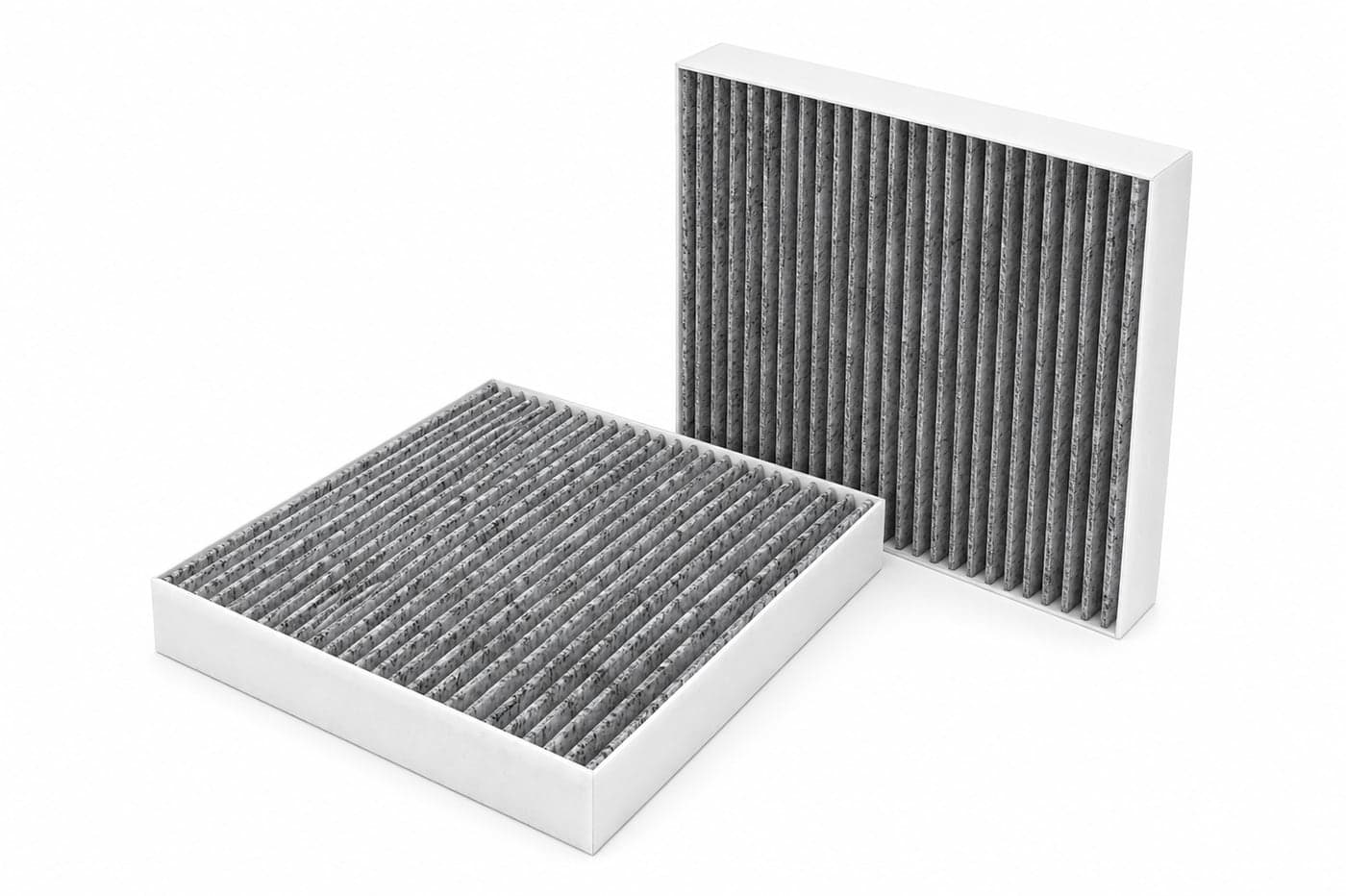
Cabin Filters
Review category capability and available product records.
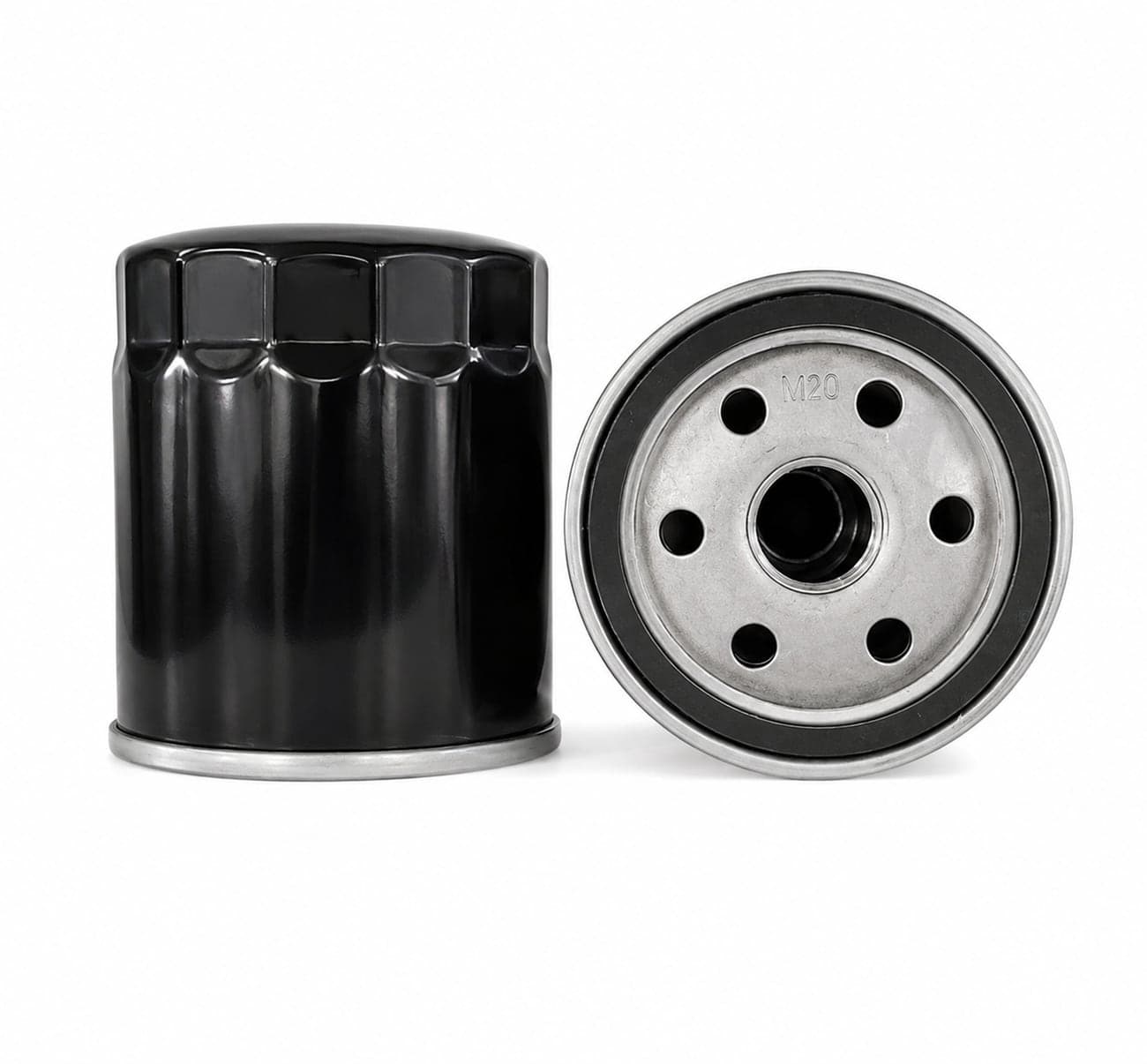
Oil Filters
Review category capability and available product records.
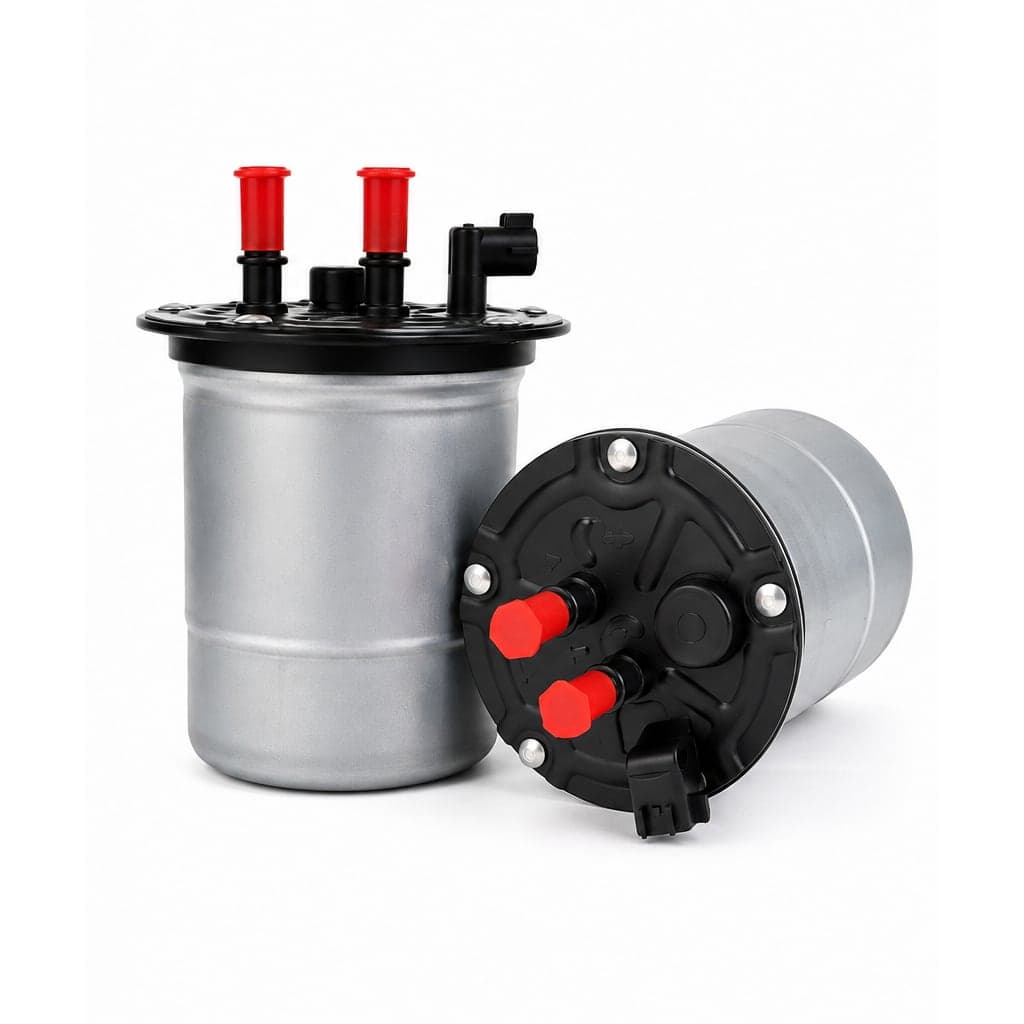
Fuel Filters
Review category capability and available product records.
No SKU page is linked until it passes the existing publication, verification and indexing gates. Use the category page or send a product list for review.
FAQ
Questions from aftermarket buyers.
Next step
Move from research to a reviewed filter program.
Sources and review
- Beling Automotive Filter Products — Beling Automotive Filters
- Beling Automotive Filtration Supply Solutions — Beling Automotive Filters
- Beling Manufacturing Capability — Beling Automotive Filters
- Beling Quality Information — Beling Automotive Filters
- Beling Private Label Program — Beling Automotive Filters
- Beling RFQ Requirements — Beling Automotive Filters
Reviewed by Beling Automotive Filters (Organization review) on August 22, 2026.