
Quality & Manufacturing
How B2B Buyers Should Read Automotive Filter Test Reports
A B2B buyer guide to automotive filter test report, supplier evidence, decision controls and RFQ preparation for automotive aftermarket programs.

Answer first
Answer first
How B2B Buyers Should Read Automotive Filter Test Reports should be evaluated as a controlled buyer decision, not as a generic supplier claim. Buyers should define test identity, review test conditions, confirm acceptance logic and document application scope. The exact requirements and evidence depend on the filter category, SKU, application, market, packaging and contract.
Key facts
Key points for buyer review
- Test identity: Confirm the method, edition, laboratory or equipment, specimen and product revision represented by the report.
- Test conditions: Review flow, contaminant, fluid, temperature, duration and other conditions needed to interpret the result.
- Acceptance logic: Distinguish measured result, specified limit, uncertainty, deviation and final pass or hold decision.
- Application scope: Avoid extending one result to other SKUs, materials or operating conditions without supporting evidence.
The buyer decision behind this topic
How B2B Buyers Should Read Automotive Filter Test Reports should be evaluated as a controlled buyer decision, not as a generic supplier claim. Buyers should define test identity, review test conditions, confirm acceptance logic and document application scope. The exact requirements and evidence depend on the filter category, SKU, application, market, packaging and contract.
A test report is useful only when the buyer can identify the tested product, method, conditions, result and decision scope. Reading the headline value without these elements can create a false comparison between different filters or test setups.
A material result is not automatically a finished-filter result, and one SKU report is not automatically valid for a family. Applicability should be stated and supported.
Key factors buyers should evaluate
Test identity
Confirm the method, edition, laboratory or equipment, specimen and product revision represented by the report. Buyers should convert this consideration into a written requirement, identify who owns the decision and ask for evidence that represents the proposed product or program. A general capability statement is useful for screening, but approval should depend on information relevant to the actual order.
Test conditions
Review flow, contaminant, fluid, temperature, duration and other conditions needed to interpret the result. Buyers should convert this consideration into a written requirement, identify who owns the decision and ask for evidence that represents the proposed product or program. A general capability statement is useful for screening, but approval should depend on information relevant to the actual order.
Acceptance logic
Distinguish measured result, specified limit, uncertainty, deviation and final pass or hold decision. Buyers should convert this consideration into a written requirement, identify who owns the decision and ask for evidence that represents the proposed product or program. A general capability statement is useful for screening, but approval should depend on information relevant to the actual order.
Application scope
Avoid extending one result to other SKUs, materials or operating conditions without supporting evidence. Buyers should convert this consideration into a written requirement, identify who owns the decision and ask for evidence that represents the proposed product or program. A general capability statement is useful for screening, but approval should depend on information relevant to the actual order.
Buyer decision table
| Review area | Buyer question | Evidence or output |
|---|---|---|
| Test identity | Confirm the method, edition, laboratory or equipment, specimen and product revision represented by the report. | Approved requirement, relevant record and open-item status |
| Test conditions | Review flow, contaminant, fluid, temperature, duration and other conditions needed to interpret the result. | Approved requirement, relevant record and open-item status |
| Acceptance logic | Distinguish measured result, specified limit, uncertainty, deviation and final pass or hold decision. | Approved requirement, relevant record and open-item status |
| Application scope | Avoid extending one result to other SKUs, materials or operating conditions without supporting evidence. | Approved requirement, relevant record and open-item status |
Add columns for specimen, method edition, conditions, limit, result, deviation and applicable SKU before comparing reports. Relevant product-family requirements can be reviewed through the air filter, cabin filter, oil filter and fuel filter category pages.
Read a filter test report in five passes
1. Identify the specimen
Find SKU, drawing or sample ID, revision, production status and number of specimens.
2. Confirm the method
Check standard or internal procedure, edition, deviations, equipment and responsible laboratory.
3. Read the conditions
Record flow, fluid, contaminant, temperature, duration, conditioning and units as applicable.
4. Compare result with requirement
Separate measured value, limit, uncertainty, observation and pass/hold decision.
5. Define applicability
State which SKU, construction, batch or approval gate the report can support.
Report fields that determine meaning
Depending on the product and decision, buyers can request:
- Unique report and specimen identity.
- Method, edition and disclosed deviations.
- Test conditions, units and equipment status.
- Individual and summary results with acceptance limits.
- Authorization, date and statement of scope.
When a report omits a critical field, ask for clarification rather than filling the gap with an assumption. A result can be technically valid yet irrelevant to the purchasing decision.
Common report-reading errors
Method-name comparison. Two reports cite similar tests but use different conditions.
Best-result selection. One favorable value is shown without individual specimens or acceptance logic.
Family overextension. Evidence for one design is applied to products with different materials or geometry.
Pass without requirement. The report says pass but does not show the limit used.
Buyer checklist
Before approving the next step, confirm:
- Test identity has a defined requirement, owner and approval status.
- Test conditions has a defined requirement, owner and approval status.
- Acceptance logic has a defined requirement, owner and approval status.
- Application scope has a defined requirement, owner and approval status.
- Product, packaging and commercial revisions are aligned.
- Evidence applies to the proposed SKU, batch or program scope.
- Deviations, limitations and assumptions remain visible.
- The next approval gate and change-notification rule are documented.
Related buyer resources
- Review the quality information when preparing the decision.
- Review the automotive filter quality control checklist when preparing the decision.
- Review the automotive filter media selection guide when preparing the decision.
- Review the request-for-quotation page when preparing the decision.
- Review the manufacturing capability when preparing the decision.
- Review the automotive filter product portfolio when preparing the decision.
- Review the supply solutions when preparing the decision.
Discuss your product list and requirements
Provide the proposed SKU, specification and report through the technical enquiry route. Beling can review document relevance, while final method and acceptance requirements should be agreed for the program.
Related products
Continue to product scope.
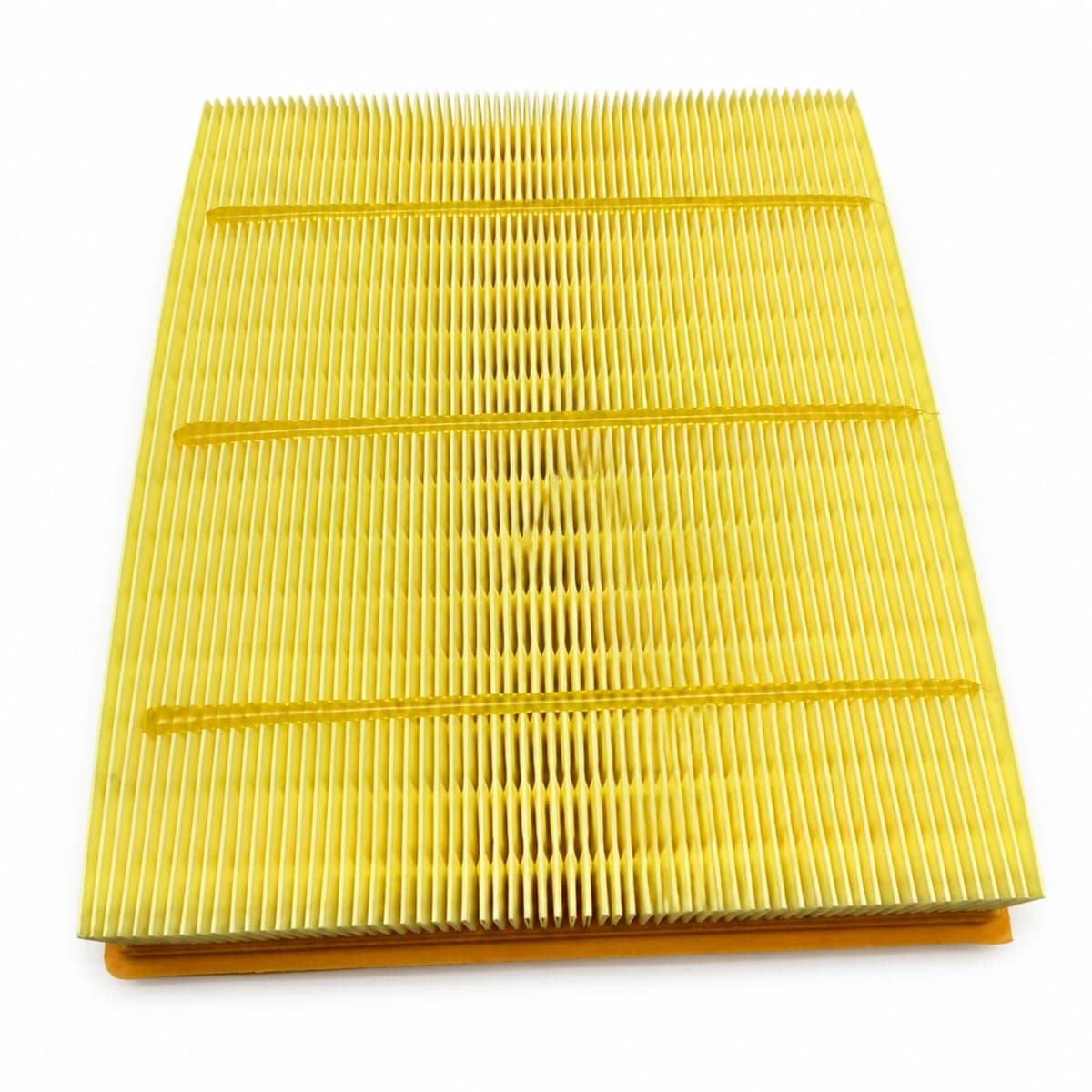
Air Filters
Review category capability and available product records.
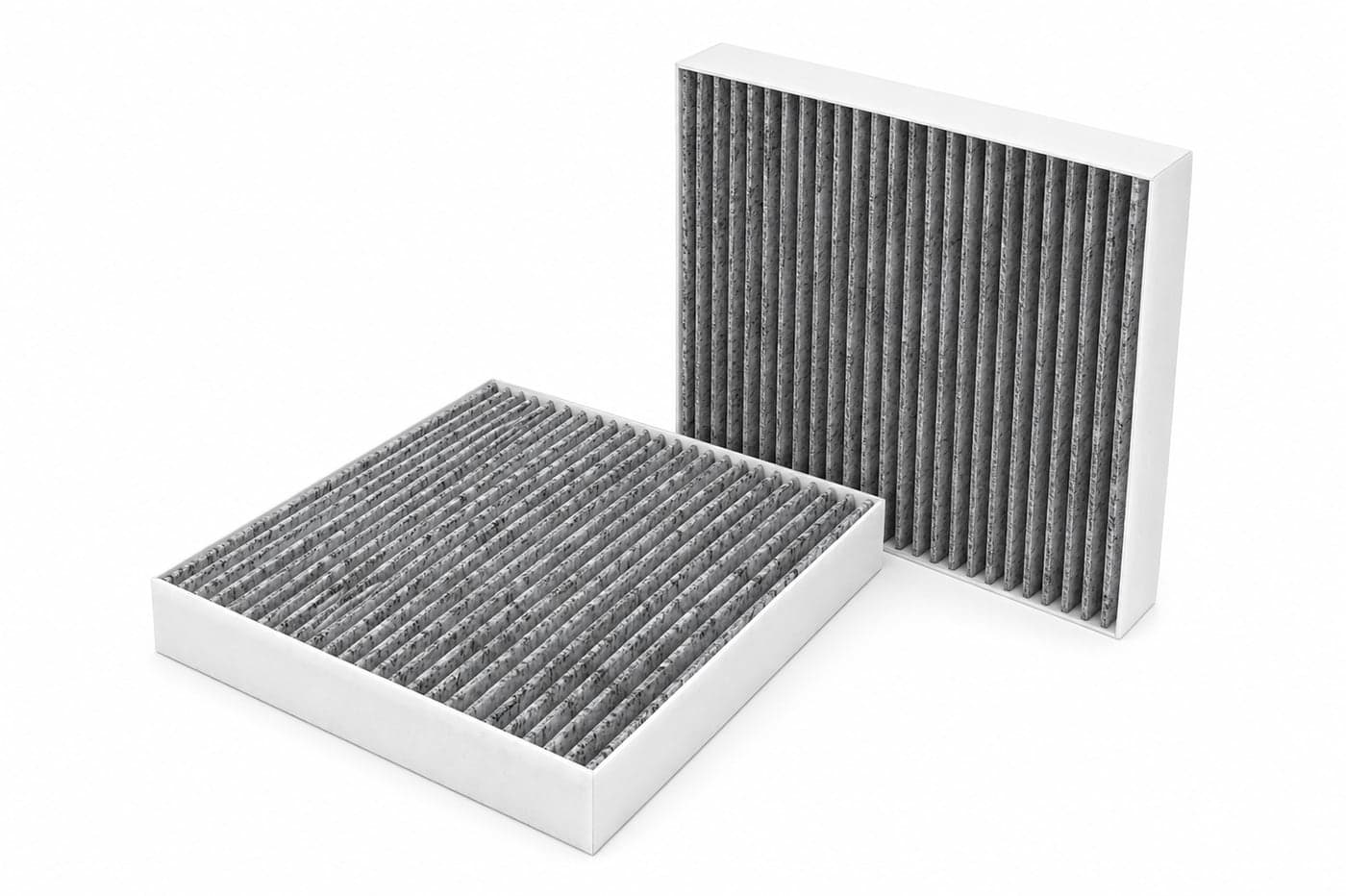
Cabin Filters
Review category capability and available product records.
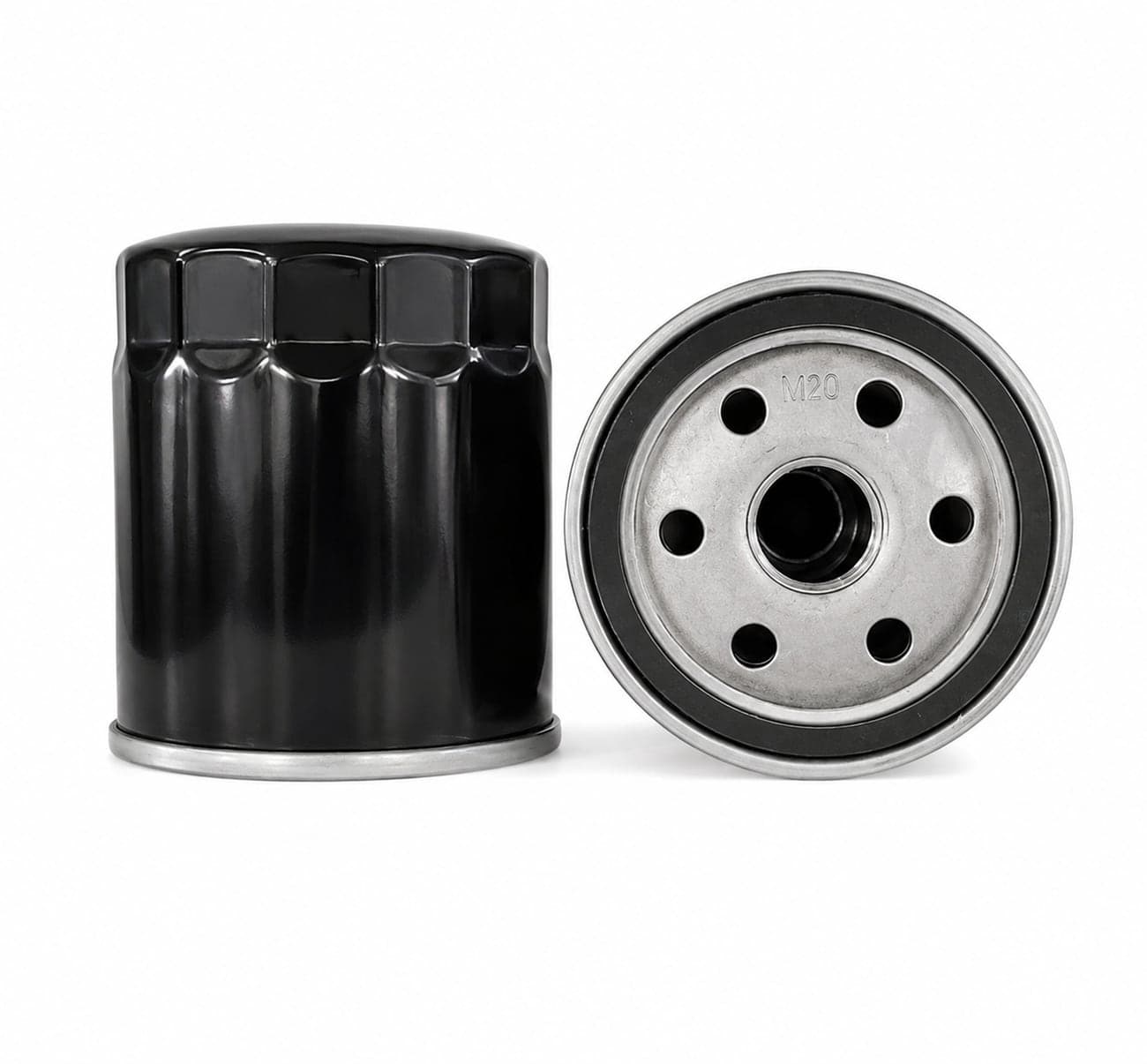
Oil Filters
Review category capability and available product records.
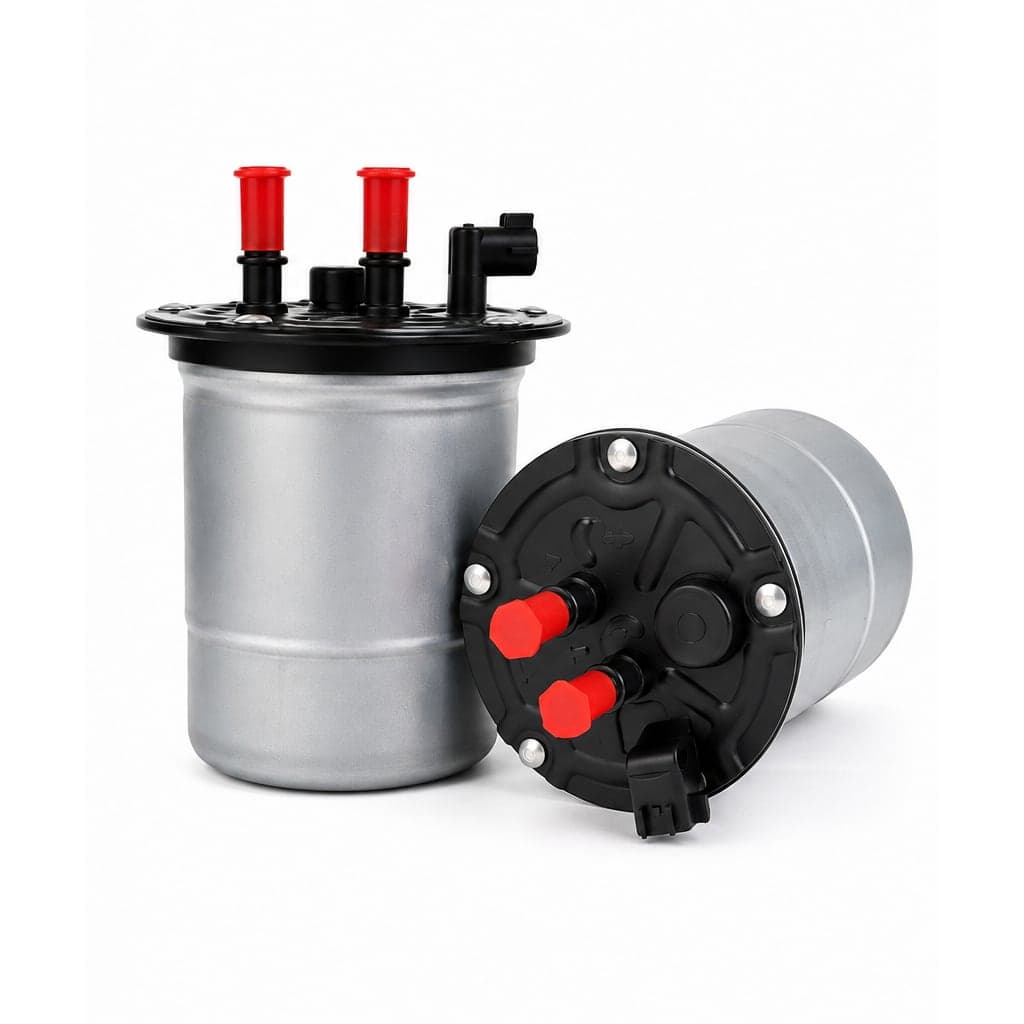
Fuel Filters
Review category capability and available product records.
No SKU page is linked until it passes the existing publication, verification and indexing gates. Use the category page or send a product list for review.
FAQ
Questions from aftermarket buyers.
Next step
Move from research to a reviewed filter program.
Sources and review
- Quality Information — Beling Automotive Filters
- RFQ Requirements — Beling Automotive Filters
- Manufacturing Capability — Beling Automotive Filters
- Automotive Filter Product Portfolio — Beling Automotive Filters
- Automotive Filtration Supply Solutions — Beling Automotive Filters
Reviewed by Beling Automotive Filters (Organization review) on August 22, 2026.