
Sourcing & Private Label
Automotive Filter Supplier Documentation Checklist
A B2B buyer guide to automotive filter supplier documents, supplier evidence, decision controls and RFQ preparation for automotive aftermarket programs.

Answer first
Answer first
Automotive Filter Supplier Documentation Checklist should be evaluated as a controlled buyer decision, not as a generic supplier claim. Buyers should define commercial records, review quality records, confirm packaging records and document shipment records. The exact requirements and evidence depend on the filter category, SKU, application, market, packaging and contract.
Key facts
Key points for buyer review
- Commercial records: Align quotations, purchase orders, product descriptions and revisions so the transaction identifies the same products.
- Quality records: Request only the inspection, test and traceability evidence applicable to the agreed SKU and risk.
- Packaging records: Control artwork, labels, barcodes, carton marks and approved samples as part of product identity.
- Shipment records: Review invoice, packing, origin, classification and transport documents for consistency before dispatch.
The buyer decision behind this topic
Automotive Filter Supplier Documentation Checklist should be evaluated as a controlled buyer decision, not as a generic supplier claim. Buyers should define commercial records, review quality records, confirm packaging records and document shipment records. The exact requirements and evidence depend on the filter category, SKU, application, market, packaging and contract.
Supplier selection content should help a buying team distinguish a polished sales response from evidence that applies to the proposed program. Purchasing, quality and product teams need a shared approval record, not parallel impressions of the supplier.
Company-level capability is only the starting point. Audit, onboarding, documentation, sample and communication decisions should be connected to the quoted product families, responsible facility and intended order.
Key factors buyers should evaluate
Commercial records
Align quotations, purchase orders, product descriptions and revisions so the transaction identifies the same products. Buyers should convert this consideration into a written requirement, identify who owns the decision and ask for evidence that represents the proposed product or program. A general capability statement is useful for screening, but approval should depend on information relevant to the actual order.
Quality records
Request only the inspection, test and traceability evidence applicable to the agreed SKU and risk. Buyers should convert this consideration into a written requirement, identify who owns the decision and ask for evidence that represents the proposed product or program. A general capability statement is useful for screening, but approval should depend on information relevant to the actual order.
Packaging records
Control artwork, labels, barcodes, carton marks and approved samples as part of product identity. Buyers should convert this consideration into a written requirement, identify who owns the decision and ask for evidence that represents the proposed product or program. A general capability statement is useful for screening, but approval should depend on information relevant to the actual order.
Shipment records
Review invoice, packing, origin, classification and transport documents for consistency before dispatch. Buyers should convert this consideration into a written requirement, identify who owns the decision and ask for evidence that represents the proposed product or program. A general capability statement is useful for screening, but approval should depend on information relevant to the actual order.
Buyer decision table
| Review area | Buyer question | Evidence or output |
|---|---|---|
| Commercial records | Align quotations, purchase orders, product descriptions and revisions so the transaction identifies the same products. | Approved requirement, relevant record and open-item status |
| Quality records | Request only the inspection, test and traceability evidence applicable to the agreed SKU and risk. | Approved requirement, relevant record and open-item status |
| Packaging records | Control artwork, labels, barcodes, carton marks and approved samples as part of product identity. | Approved requirement, relevant record and open-item status |
| Shipment records | Review invoice, packing, origin, classification and transport documents for consistency before dispatch. | Approved requirement, relevant record and open-item status |
Use the decision table as a qualification record. Add product-family, facility and approval fields that matter to the supplier decision. Relevant product-family requirements can be reviewed through the air filter, cabin filter, oil filter and fuel filter category pages.
Supplier qualification workflow
1. Define the supplier decision
State whether the review supports screening, audit approval, onboarding, sample authorization or order release.
2. Issue one requirement set
Give candidate suppliers the same product, commercial, quality and documentation questions.
3. Separate claims from evidence
Mark statements as confirmed, conditional or open and record the evidence reviewed.
4. Resolve approval gaps
Assign owners and due dates for missing samples, records, explanations or corrective actions.
5. Record supplier status
Document the approved scope, conditions, next review and events that require reassessment.
Supplier evidence to request
Depending on the product and decision, buyers can request:
- Facility and process scope relevant to the quoted filters.
- Controlled product-list, requirement and sample records.
- Applicable quality, change-control and issue-response records.
- Commercial assumptions, exclusions and responsible contacts.
- Open-item log with owners, dates and approval status.
A supplier document is useful only when its facility, product scope, revision and approval status are clear. Buyers should avoid scoring unrelated certificates or presentation material as SKU-level evidence.
Supplier-selection risks to control
Presentation bias. A strong presentation can obscure whether the supplier controls the buyer's actual products.
Unequal comparisons. Suppliers cannot be compared fairly when requirements and evidence requests differ.
Conditional capability. A process may exist but still depend on tooling, material or external support for the intended SKU.
Unclosed findings. Open audit or sample issues can become production disputes when they are not assigned and closed.
Buyer checklist
Before approving the next step, confirm:
- Commercial records has a defined requirement, owner and approval status.
- Quality records has a defined requirement, owner and approval status.
- Packaging records has a defined requirement, owner and approval status.
- Shipment records has a defined requirement, owner and approval status.
- Product, packaging and commercial revisions are aligned.
- Evidence applies to the proposed SKU, batch or program scope.
- Deviations, limitations and assumptions remain visible.
- The next approval gate and change-notification rule are documented.
Related buyer resources
- Review the quality information when preparing the decision.
- Review the supply solutions when preparing the decision.
- Review the automotive filter quality control checklist when preparing the decision.
- Review the request-for-quotation page when preparing the decision.
- Review the manufacturing capability when preparing the decision.
- Review the automotive filter product portfolio when preparing the decision.
Discuss your product list and requirements
Send the intended filter categories, reference list, market, quantities and supplier-review questions through the RFQ page. Beling can respond against the stated scope; unresolved product or evidence points should remain visible before approval.
Related products
Continue to product scope.
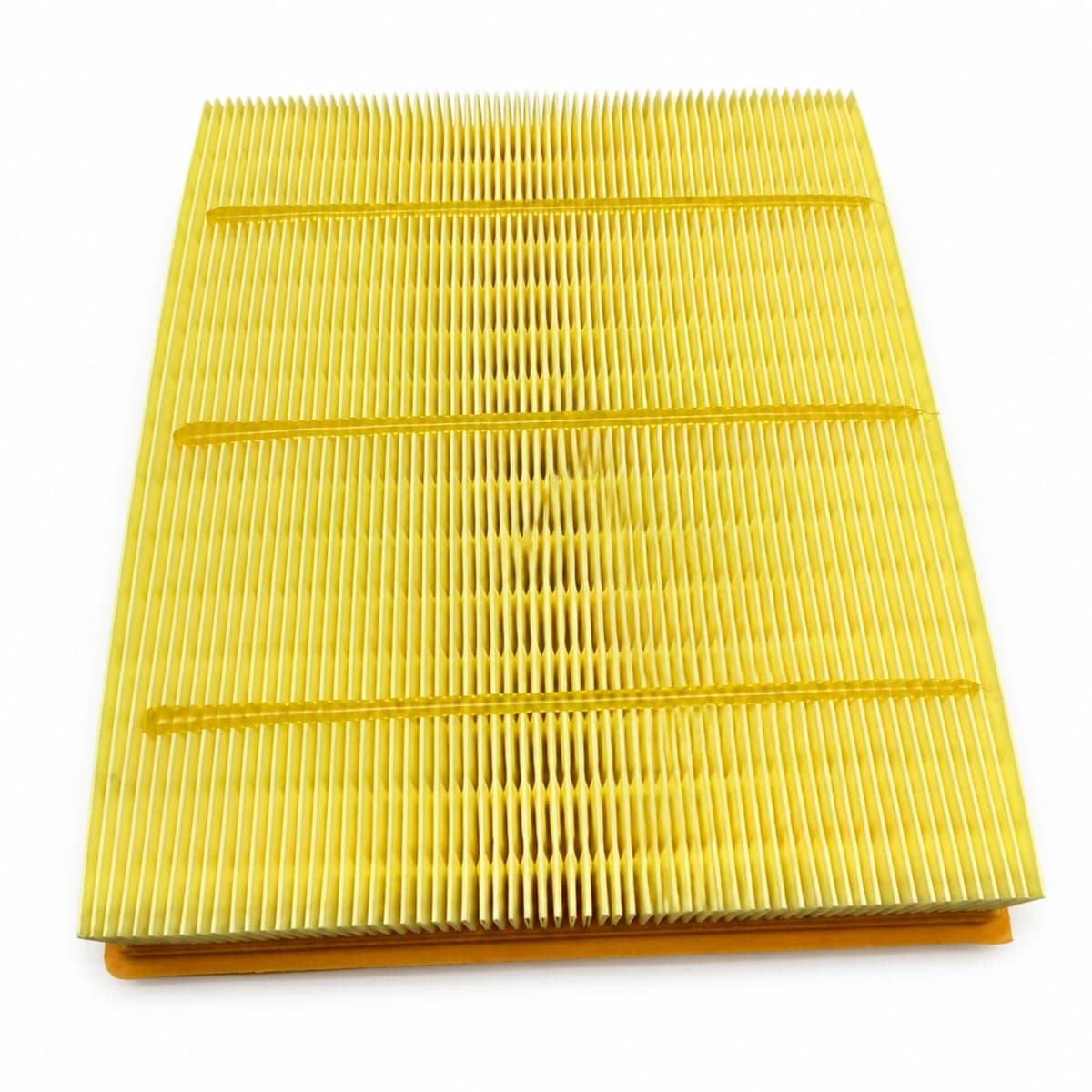
Air Filters
Review category capability and available product records.
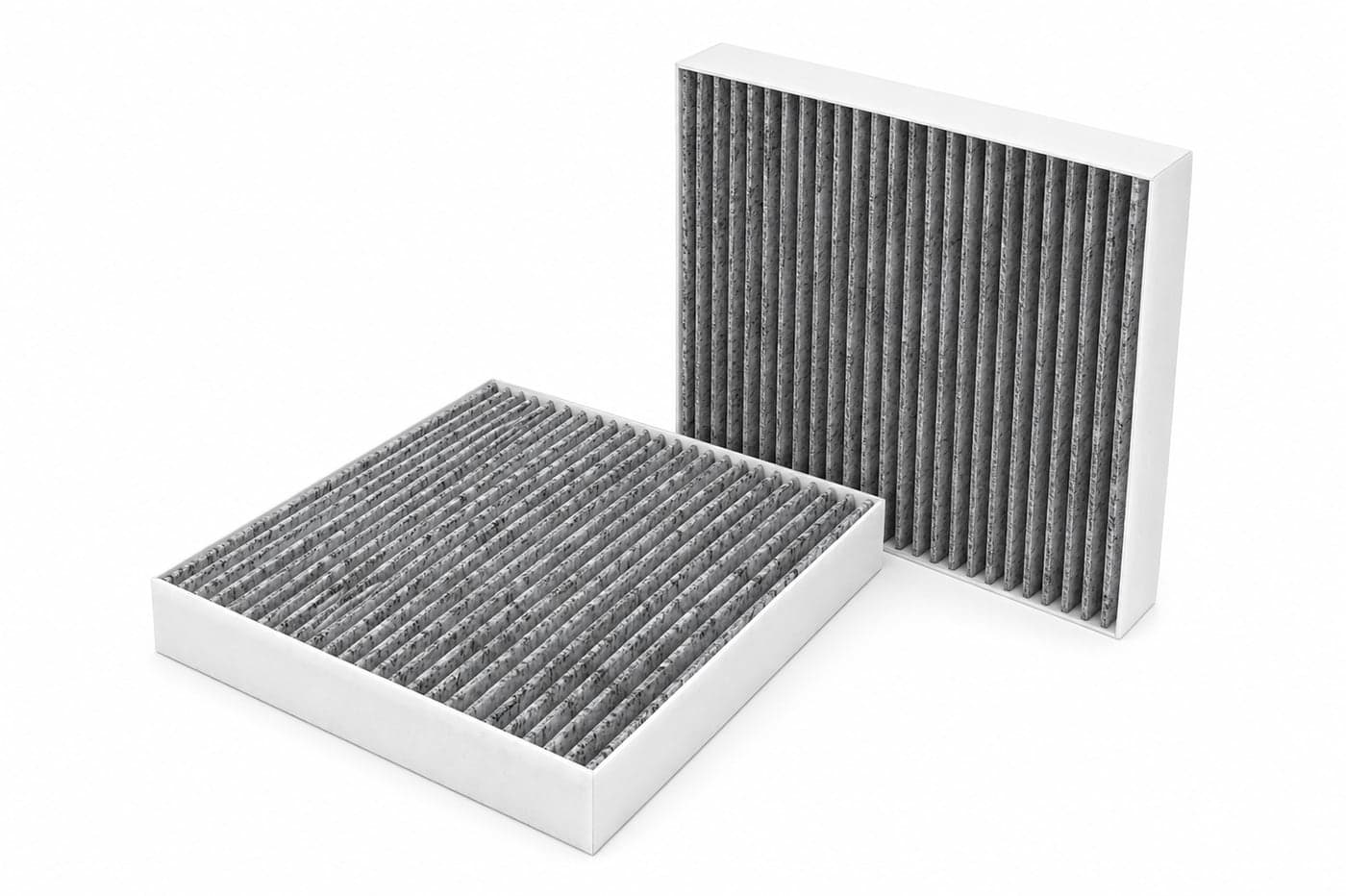
Cabin Filters
Review category capability and available product records.
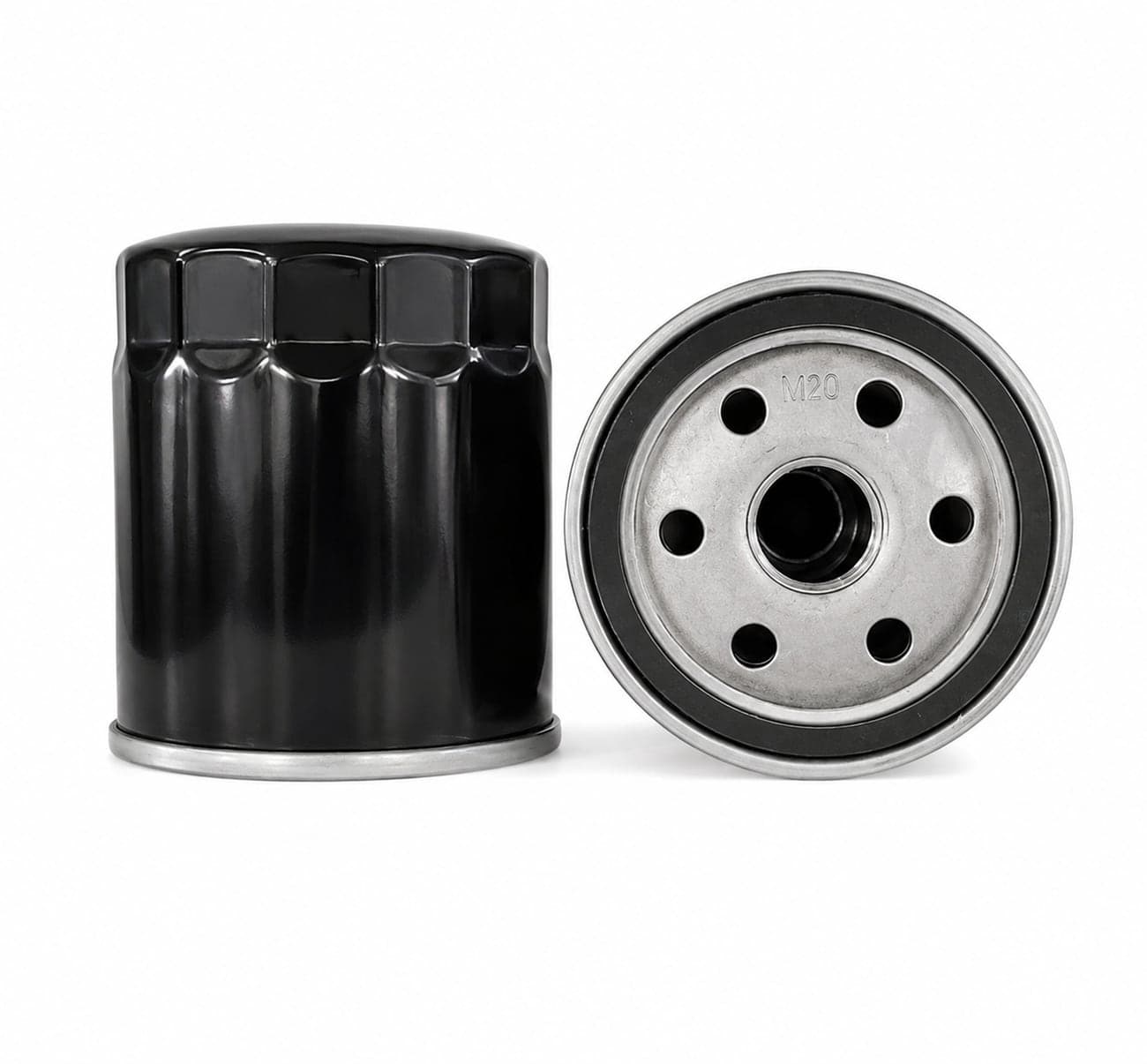
Oil Filters
Review category capability and available product records.
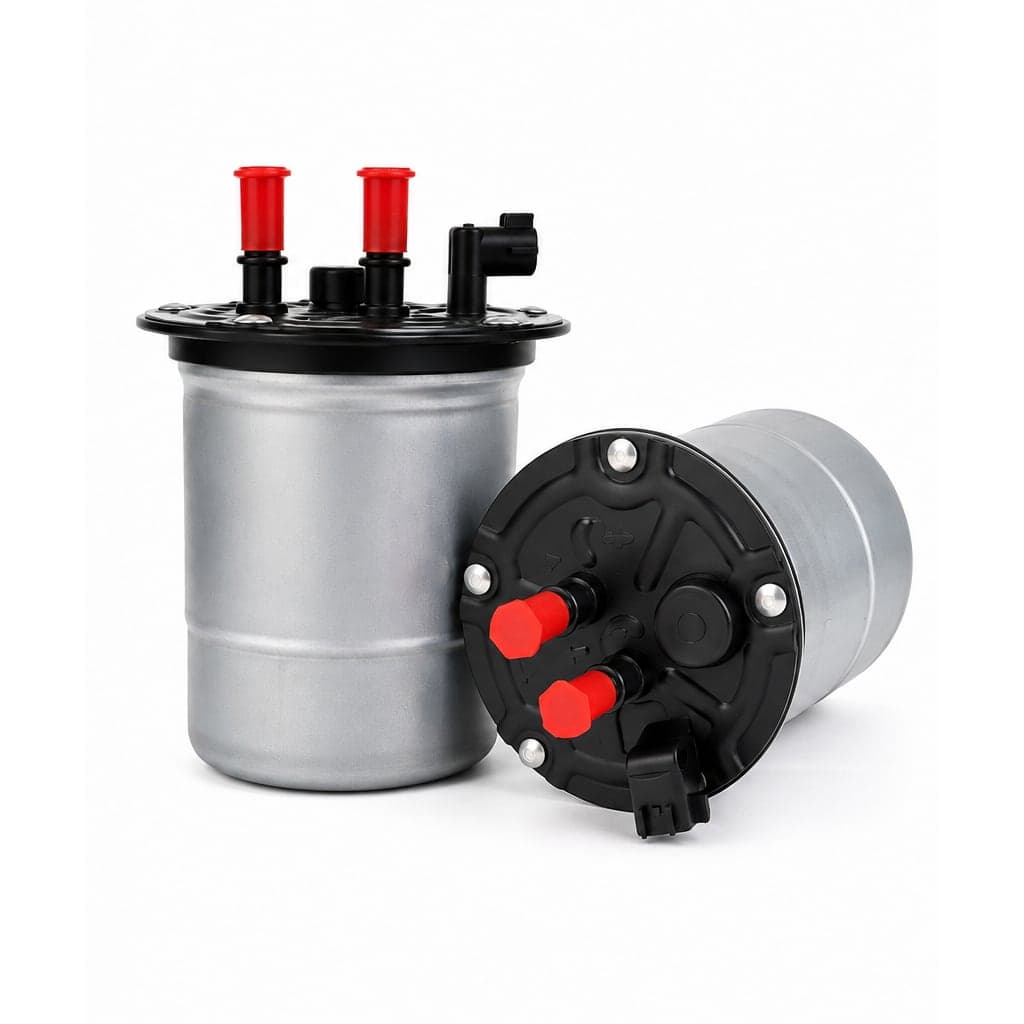
Fuel Filters
Review category capability and available product records.
No SKU page is linked until it passes the existing publication, verification and indexing gates. Use the category page or send a product list for review.
FAQ
Questions from aftermarket buyers.
Next step
Move from research to a reviewed filter program.
Sources and review
- Quality Information — Beling Automotive Filters
- Automotive Filtration Supply Solutions — Beling Automotive Filters
- RFQ Requirements — Beling Automotive Filters
- Manufacturing Capability — Beling Automotive Filters
- Automotive Filter Product Portfolio — Beling Automotive Filters
Reviewed by Beling Automotive Filters (Organization review) on August 22, 2026.