
Sourcing & Private Label
Automotive Filter Sourcing Regions: China, Eastern Europe and Turkey
A B2B buyer guide to automotive filter sourcing countries, supplier evidence, decision controls and RFQ preparation for automotive aftermarket programs.
Answer first
Answer first
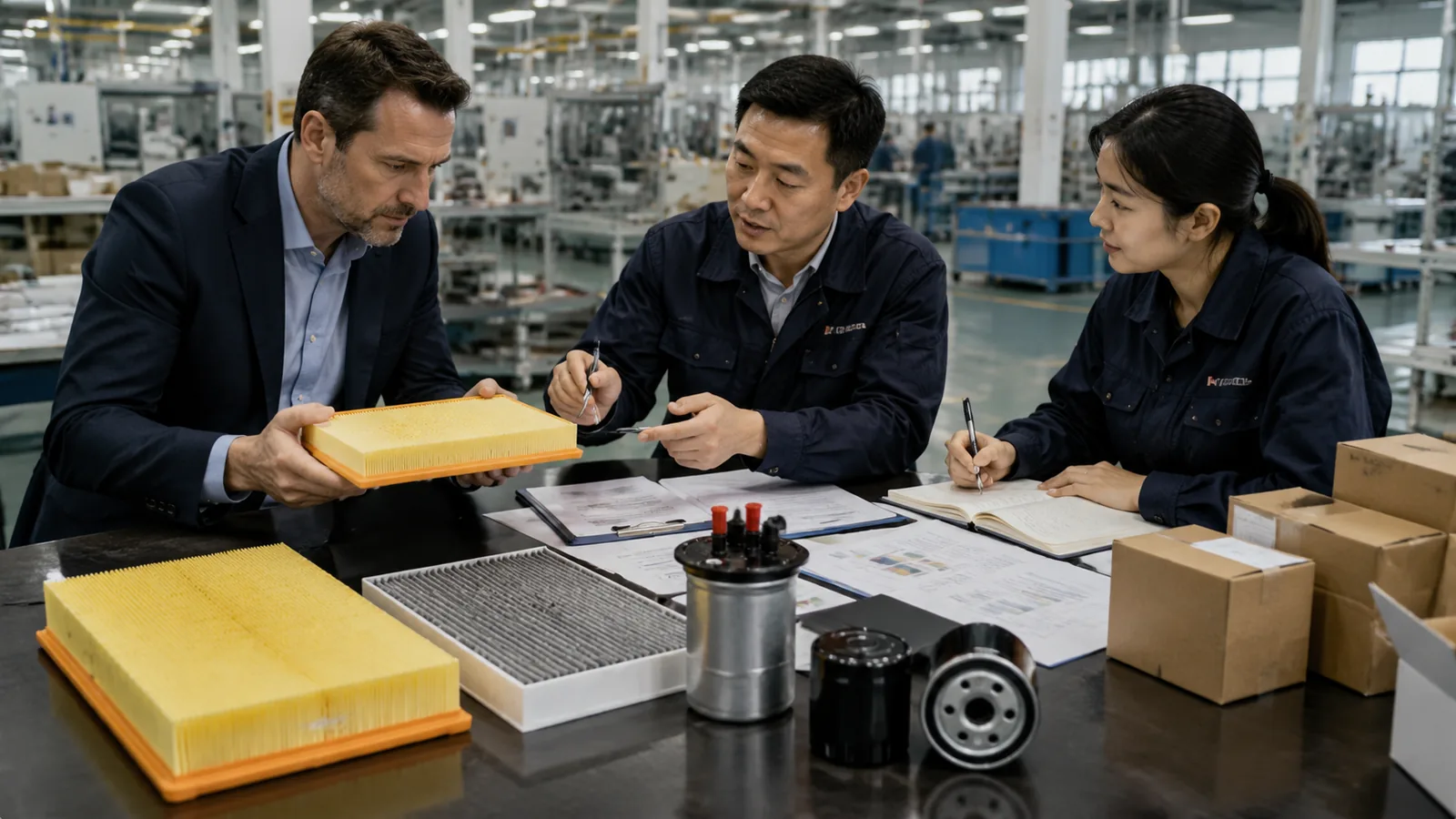
Automotive Filter Sourcing Regions: China, Eastern Europe and Turkey should be evaluated as a controlled buyer decision, not as a generic supplier claim. Buyers should define capability fit, review commercial fit, confirm logistics fit and document decision evidence. The exact requirements and evidence depend on the filter category, SKU, application, market, packaging and contract.
Key facts
Key points for buyer review
- Capability fit: Compare relevant product range, process depth, tooling, quality evidence and change control.
- Commercial fit: Review MOQ, SKU breadth, packaging, payment and program-management requirements.
- Logistics fit: Evaluate route, lead-time components, consolidation, customs preparation and disruption exposure.
- Decision evidence: Score actual suppliers using the same requirements rather than relying on country stereotypes.
The buyer decision behind this topic
Automotive Filter Sourcing Regions: China, Eastern Europe and Turkey should be evaluated as a controlled buyer decision, not as a generic supplier claim. Buyers should define capability fit, review commercial fit, confirm logistics fit and document decision evidence. The exact requirements and evidence depend on the filter category, SKU, application, market, packaging and contract.
Industry planning should distinguish verified demand signals from assumptions. Vehicle parc, channel activity, SKU movement, supplier capability and cost inputs need sources, dates and a method before they can support range or sourcing decisions.
A trend title should not imply market facts that the article cannot evidence. Framework articles should state their limits, while true insight articles require current attributable data or documented internal analysis.
Key factors buyers should evaluate
Capability fit
Compare relevant product range, process depth, tooling, quality evidence and change control. Buyers should convert this consideration into a written requirement, identify who owns the decision and ask for evidence that represents the proposed product or program. A general capability statement is useful for screening, but approval should depend on information relevant to the actual order.
Commercial fit
Review MOQ, SKU breadth, packaging, payment and program-management requirements. Buyers should convert this consideration into a written requirement, identify who owns the decision and ask for evidence that represents the proposed product or program. A general capability statement is useful for screening, but approval should depend on information relevant to the actual order.
Logistics fit
Evaluate route, lead-time components, consolidation, customs preparation and disruption exposure. Buyers should convert this consideration into a written requirement, identify who owns the decision and ask for evidence that represents the proposed product or program. A general capability statement is useful for screening, but approval should depend on information relevant to the actual order.
Decision evidence
Score actual suppliers using the same requirements rather than relying on country stereotypes. Buyers should convert this consideration into a written requirement, identify who owns the decision and ask for evidence that represents the proposed product or program. A general capability statement is useful for screening, but approval should depend on information relevant to the actual order.
Buyer decision table
| Review area | Buyer question | Evidence or output |
|---|---|---|
| Capability fit | Compare relevant product range, process depth, tooling, quality evidence and change control. | Approved requirement, relevant record and open-item status |
| Commercial fit | Review MOQ, SKU breadth, packaging, payment and program-management requirements. | Approved requirement, relevant record and open-item status |
| Logistics fit | Evaluate route, lead-time components, consolidation, customs preparation and disruption exposure. | Approved requirement, relevant record and open-item status |
| Decision evidence | Score actual suppliers using the same requirements rather than relying on country stereotypes. | Approved requirement, relevant record and open-item status |
Add source, period, geography and confidence fields before using the table for a market or sourcing conclusion. Relevant product-family requirements can be reviewed through the air filter, cabin filter, oil filter and fuel filter category pages.
Evidence-led market review
1. Define the planning question
State the market, product range, period and decision the analysis supports.
2. Collect comparable inputs
Use dated vehicle, sales, inventory, supplier and logistics evidence with known scope.
3. Separate signal from explanation
Show what the data indicates and what remains an interpretation or hypothesis.
4. Test commercial relevance
Connect the finding to SKU, inventory, supplier or investment decisions.
5. Schedule refresh
Review the analysis when data, vehicle mix, cost or supply conditions change.
Insight inputs to document
Depending on the product and decision, buyers can request:
- Current market and vehicle data with source and date.
- Buyer sales, inquiry and inventory records by SKU.
- Comparable supplier capability and commercial inputs.
- Method, exclusions and limitations of the analysis.
- Decision owner and planned review date.
A planning framework can be useful without making market claims. When an article presents a trend or regional comparison, the supporting data and methodology should be visible.
Industry-analysis risks
Outdated evidence. Vehicle, tariff, cost and supply conditions can change after publication.
Geographic overreach. A regional conclusion may hide country and channel differences.
Selection bias. Inquiry or sales data may represent only the buyer's current catalog.
False precision. Unsupported percentages or rankings can appear more certain than the evidence permits.
Buyer checklist
Before approving the next step, confirm:
- Capability fit has a defined requirement, owner and approval status.
- Commercial fit has a defined requirement, owner and approval status.
- Logistics fit has a defined requirement, owner and approval status.
- Decision evidence has a defined requirement, owner and approval status.
- Product, packaging and commercial revisions are aligned.
- Evidence applies to the proposed SKU, batch or program scope.
- Deviations, limitations and assumptions remain visible.
- The next approval gate and change-notification rule are documented.
Related buyer resources
- Review the evaluate automotive filter manufacturer when preparing the decision.
- Review the automotive filter price vs sourcing risk when preparing the decision.
- Review the supply solutions when preparing the decision.
- Review the request-for-quotation page when preparing the decision.
- Review the automotive filter product portfolio when preparing the decision.
- Review the manufacturing capability when preparing the decision.
- Review the quality information when preparing the decision.
Discuss your product list and requirements
If the framework reveals a product-list or supply question, share the target market, SKU data and planning assumptions through the RFQ page. Market conclusions should remain separate from SKU feasibility confirmation.
Related products
Continue to product scope.
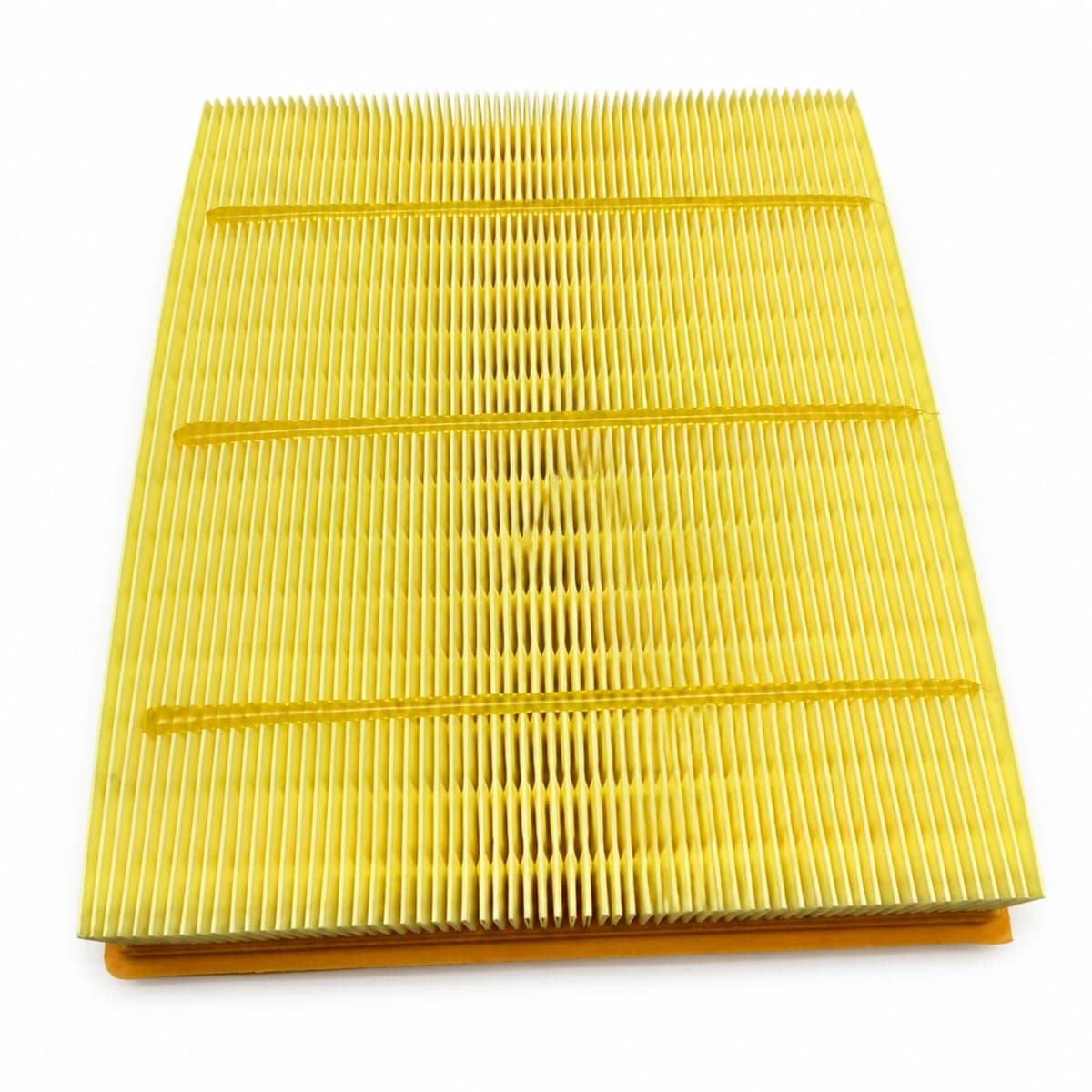
Air Filters
Review category capability and available product records.
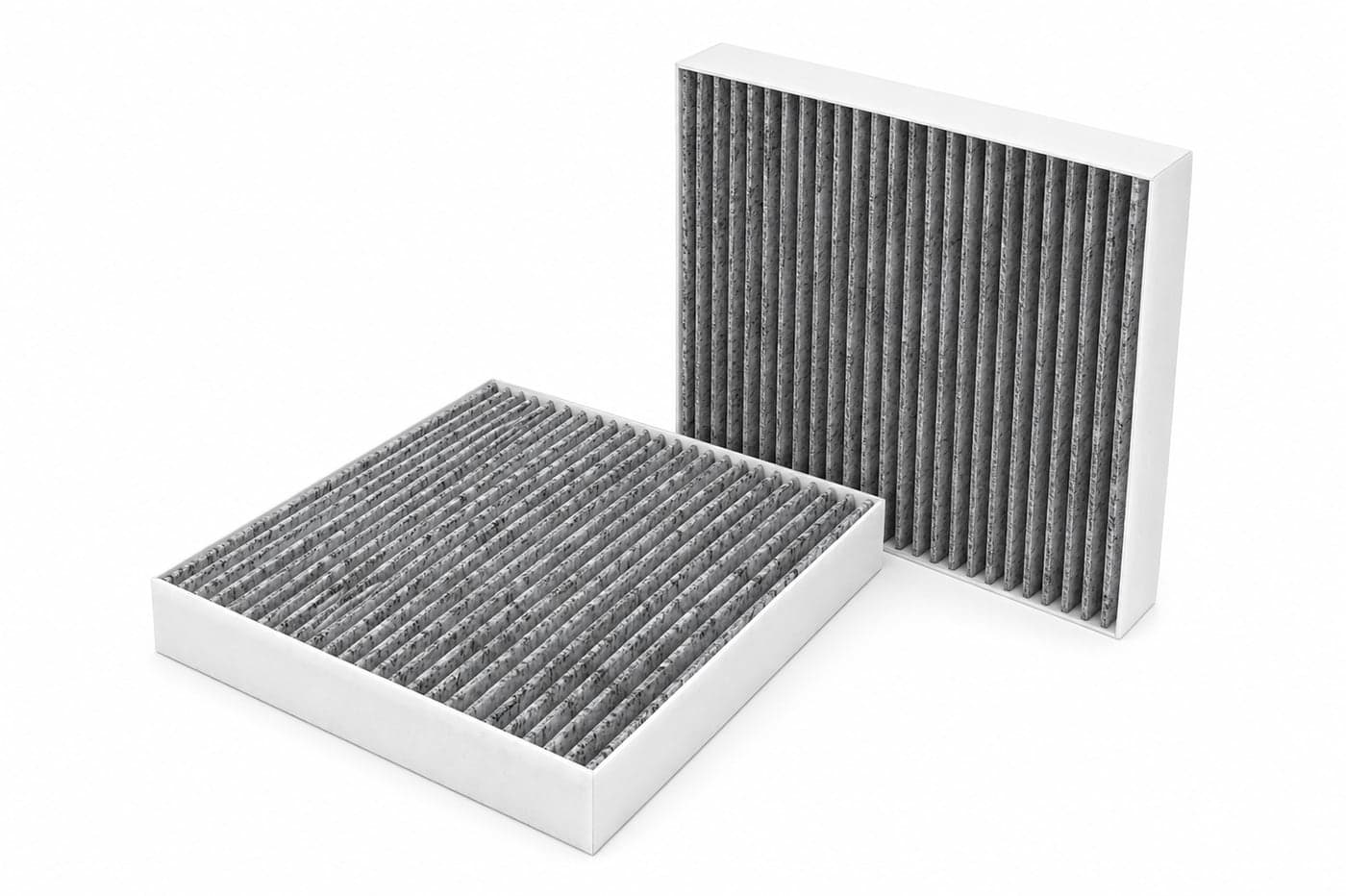
Cabin Filters
Review category capability and available product records.
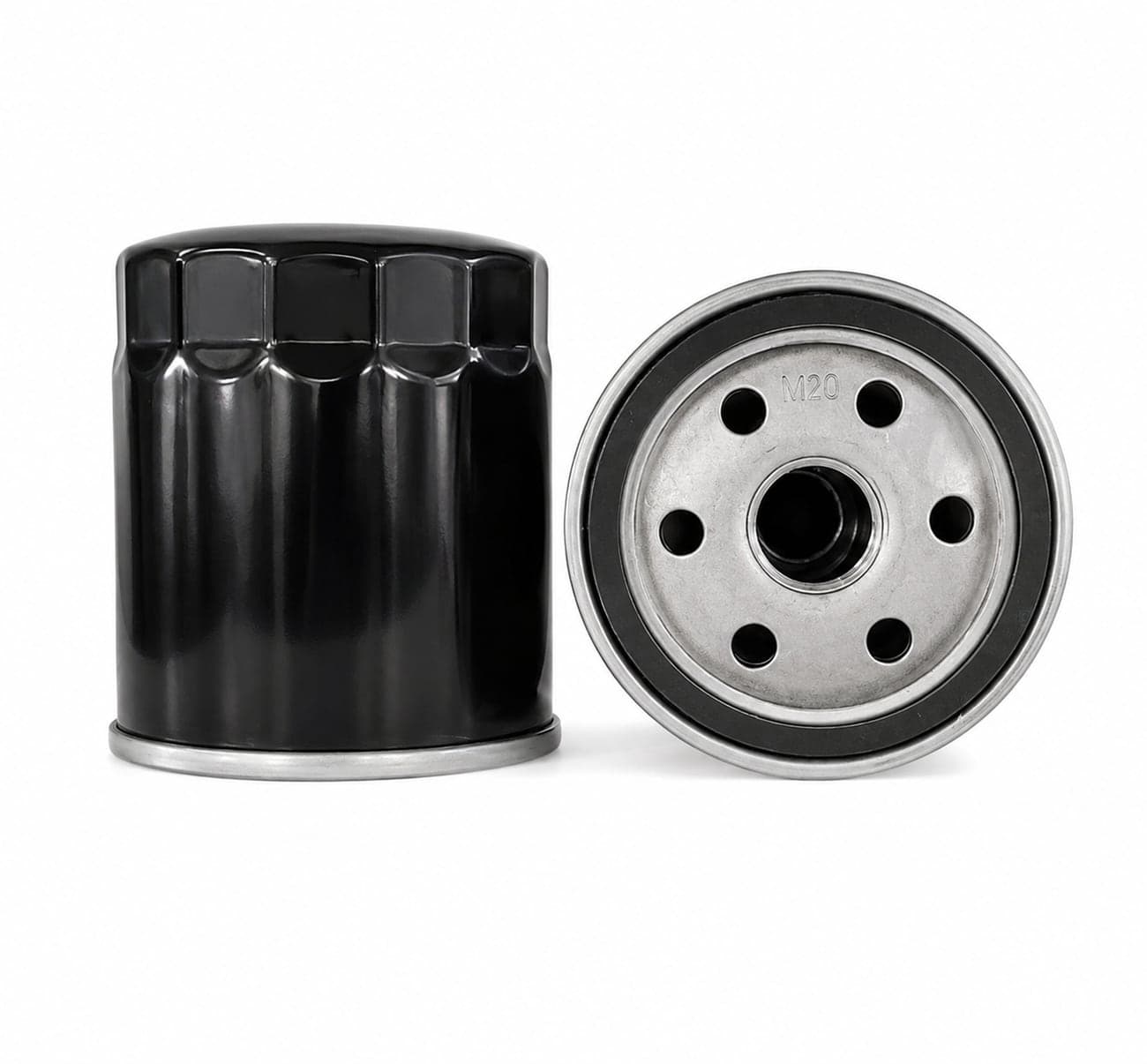
Oil Filters
Review category capability and available product records.
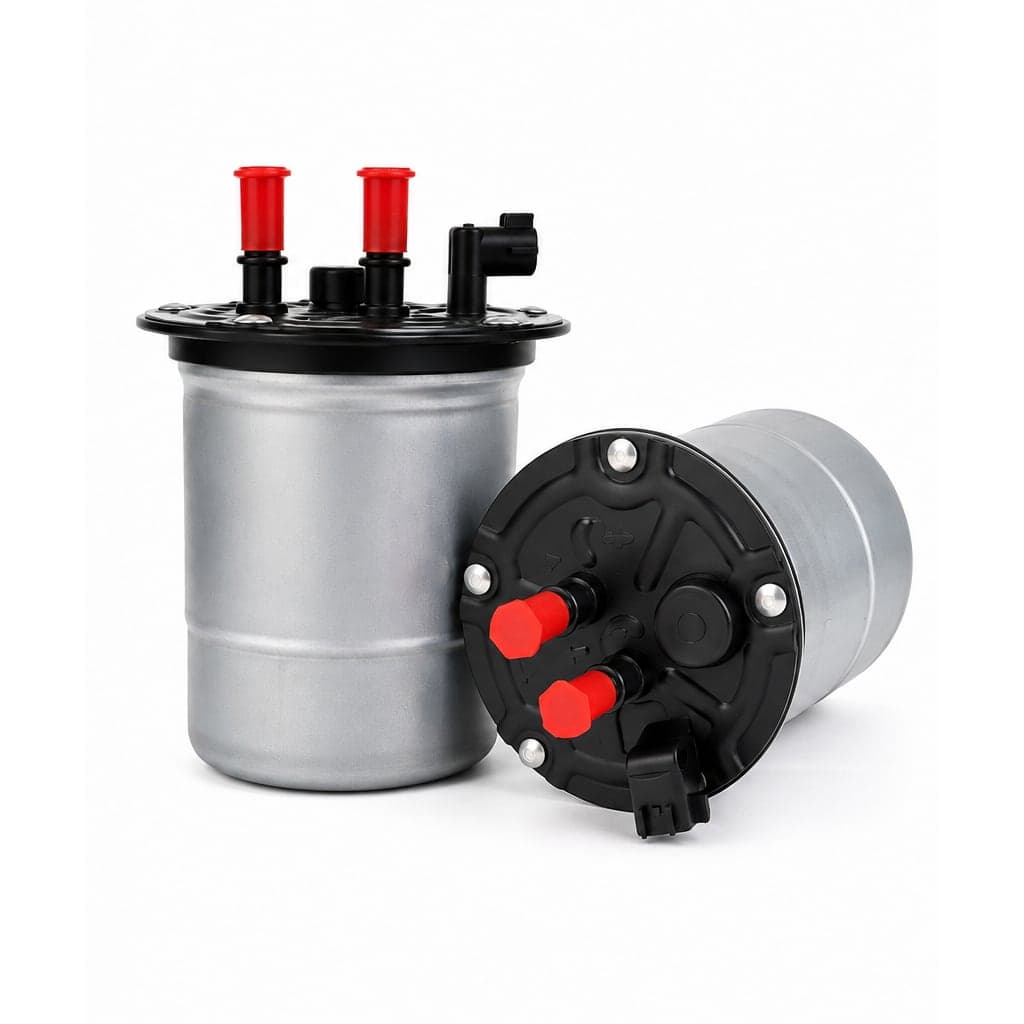
Fuel Filters
Review category capability and available product records.
No SKU page is linked until it passes the existing publication, verification and indexing gates. Use the category page or send a product list for review.
FAQ
Questions from aftermarket buyers.
Next step
Move from research to a reviewed filter program.
Sources and review
- Automotive Filtration Supply Solutions — Beling Automotive Filters
- RFQ Requirements — Beling Automotive Filters
- Automotive Filter Product Portfolio — Beling Automotive Filters
- Manufacturing Capability — Beling Automotive Filters
- Quality Information — Beling Automotive Filters
Reviewed by Beling Automotive Filters (Organization review) on August 22, 2026.