
Quality & Manufacturing
Incoming Material Inspection for Automotive Filter Production
A B2B buyer guide to automotive filter incoming material inspection, supplier evidence, decision controls and RFQ preparation for automotive aftermarket programs.
Answer first
Answer first
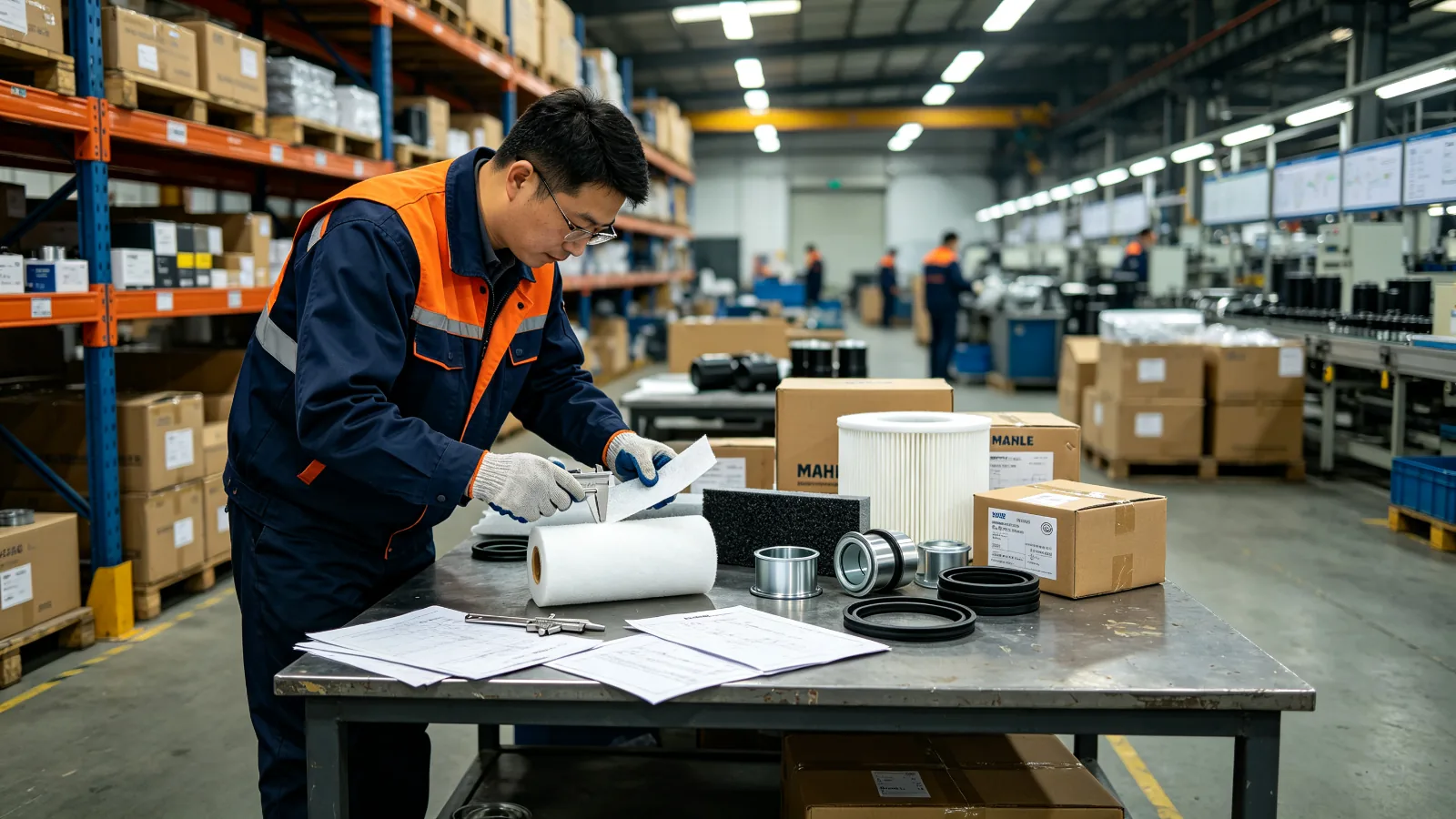
Incoming Material Inspection for Automotive Filter Production should be evaluated as a controlled buyer decision, not as a generic supplier claim. Buyers should define approved specification, review supplier and batch identity, confirm risk-based checks and document nonconforming control. The exact requirements and evidence depend on the filter category, SKU, application, market, packaging and contract.
Key facts
Key points for buyer review
- Approved specification: Define measurable or observable acceptance requirements for each incoming material or component.
- Supplier and batch identity: Record the source, lot and relevant documents so later production can be connected to the input.
- Risk-based checks: Select identity, dimension, condition or performance checks according to material risk and prior evidence.
- Nonconforming control: Segregate questionable material and document disposition before it can enter production.
The buyer decision behind this topic
Incoming Material Inspection for Automotive Filter Production should be evaluated as a controlled buyer decision, not as a generic supplier claim. Buyers should define approved specification, review supplier and batch identity, confirm risk-based checks and document nonconforming control. The exact requirements and evidence depend on the filter category, SKU, application, market, packaging and contract.
Quality and manufacturing decisions depend on traceable evidence: what requirement applied, what product or lot was examined, how the check was performed and who made the release decision. A generic pass statement cannot answer those questions.
Inspection and testing vary by filter category, construction and risk. A method used for one characteristic or SKU should not be presented as universal evidence for air, cabin, oil and fuel filters.
Key factors buyers should evaluate
Approved specification
Define measurable or observable acceptance requirements for each incoming material or component. Buyers should convert this consideration into a written requirement, identify who owns the decision and ask for evidence that represents the proposed product or program. A general capability statement is useful for screening, but approval should depend on information relevant to the actual order.
Supplier and batch identity
Record the source, lot and relevant documents so later production can be connected to the input. Buyers should convert this consideration into a written requirement, identify who owns the decision and ask for evidence that represents the proposed product or program. A general capability statement is useful for screening, but approval should depend on information relevant to the actual order.
Risk-based checks
Select identity, dimension, condition or performance checks according to material risk and prior evidence. Buyers should convert this consideration into a written requirement, identify who owns the decision and ask for evidence that represents the proposed product or program. A general capability statement is useful for screening, but approval should depend on information relevant to the actual order.
Nonconforming control
Segregate questionable material and document disposition before it can enter production. Buyers should convert this consideration into a written requirement, identify who owns the decision and ask for evidence that represents the proposed product or program. A general capability statement is useful for screening, but approval should depend on information relevant to the actual order.
Buyer decision table
| Review area | Buyer question | Evidence or output |
|---|---|---|
| Approved specification | Define measurable or observable acceptance requirements for each incoming material or component. | Approved requirement, relevant record and open-item status |
| Supplier and batch identity | Record the source, lot and relevant documents so later production can be connected to the input. | Approved requirement, relevant record and open-item status |
| Risk-based checks | Select identity, dimension, condition or performance checks according to material risk and prior evidence. | Approved requirement, relevant record and open-item status |
| Nonconforming control | Segregate questionable material and document disposition before it can enter production. | Approved requirement, relevant record and open-item status |
Expand the table with the exact characteristic, method, sampling rule and disposition needed for the affected filter design. Relevant product-family requirements can be reviewed through the air filter, cabin filter, oil filter and fuel filter category pages.
Evidence-led quality review
1. Identify the controlled requirement
Link the characteristic to the current specification, sample, method or acceptance rule.
2. Define the represented lot
Record SKU, revision, batch, quantity and sampling or inspection scope.
3. Review method and conditions
Confirm equipment, conditions, units and limitations needed to interpret the result.
4. Control nonconformance
Contain affected material or product and document deviation, disposition and reinspection.
5. Authorize the next stage
Release production or shipment only when required evidence is complete or an approved concession exists.
Quality evidence to connect
Depending on the product and decision, buyers can request:
- Approved specification, sample or drawing revision.
- Material, batch and production identity.
- Actual measurements, observations and applicable test conditions.
- Nonconformance, deviation, rework and reinspection records.
- Named hold, release or change-approval authority.
The strongest quality record connects requirement, specimen or lot, result and disposition. Reports that omit this chain should remain supporting information rather than conclusive approval evidence.
Quality-review risks
Method mismatch. A result can be misleading when the method or condition does not represent the requirement.
Scope inflation. Sample evidence may be incorrectly extended to other batches or constructions.
Traceability gap. A valid result loses value if it cannot be linked to the supplied product.
False release. Shipment may proceed while deviations or missing evidence remain unresolved.
Buyer checklist
Before approving the next step, confirm:
- Approved specification has a defined requirement, owner and approval status.
- Supplier and batch identity has a defined requirement, owner and approval status.
- Risk-based checks has a defined requirement, owner and approval status.
- Nonconforming control has a defined requirement, owner and approval status.
- Product, packaging and commercial revisions are aligned.
- Evidence applies to the proposed SKU, batch or program scope.
- Deviations, limitations and assumptions remain visible.
- The next approval gate and change-notification rule are documented.
Related buyer resources
- Review the manufacturing capability when preparing the decision.
- Review the quality information when preparing the decision.
- Review the automotive filter media selection guide when preparing the decision.
- Review the request-for-quotation page when preparing the decision.
- Review the automotive filter product portfolio when preparing the decision.
- Review the supply solutions when preparing the decision.
Discuss your product list and requirements
Provide the SKU list, approved requirements and evidence questions through the quality-focused RFQ route. Testing, sampling and documentation should be agreed for the actual filter program rather than inferred from a universal checklist.
Related products
Continue to product scope.
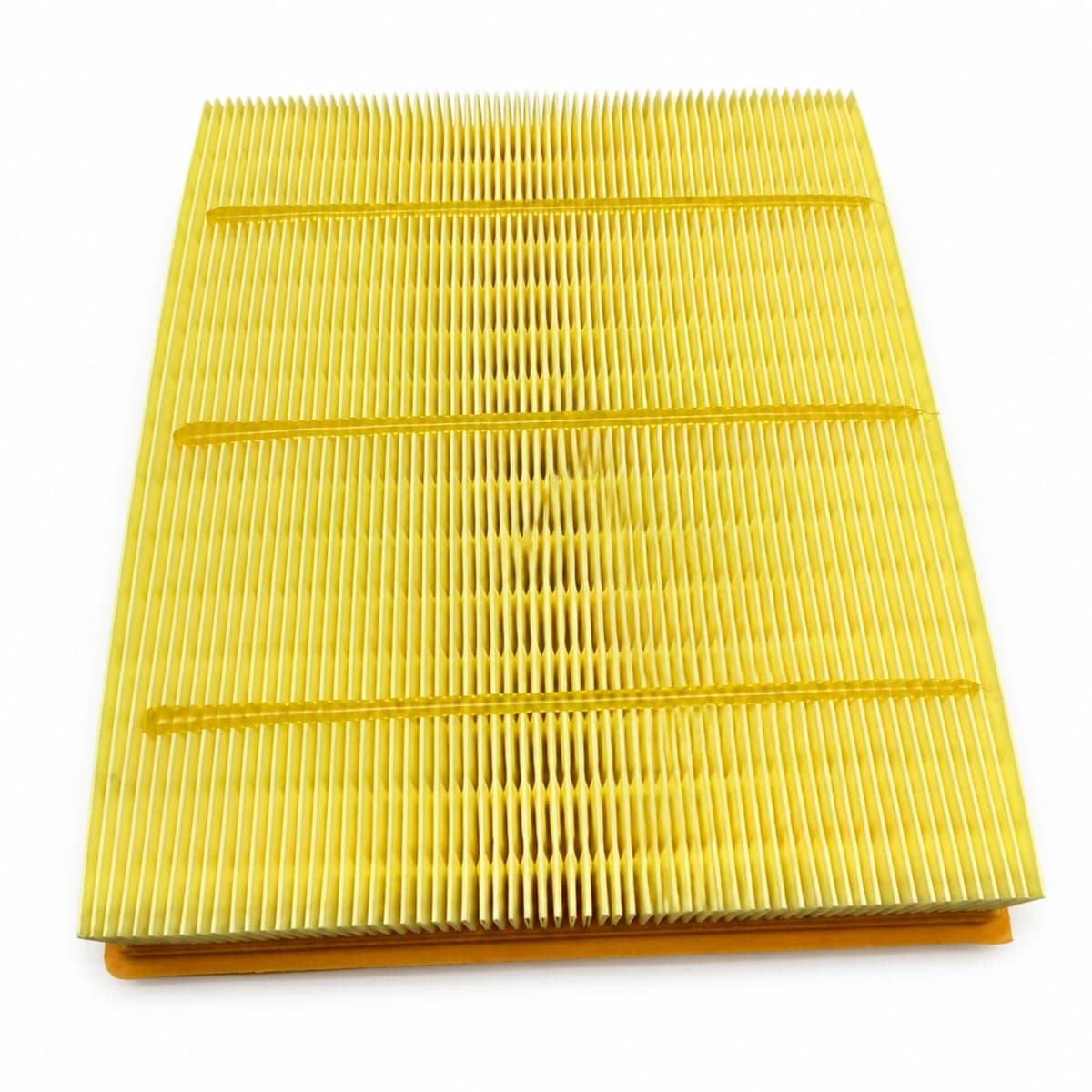
Air Filters
Review category capability and available product records.
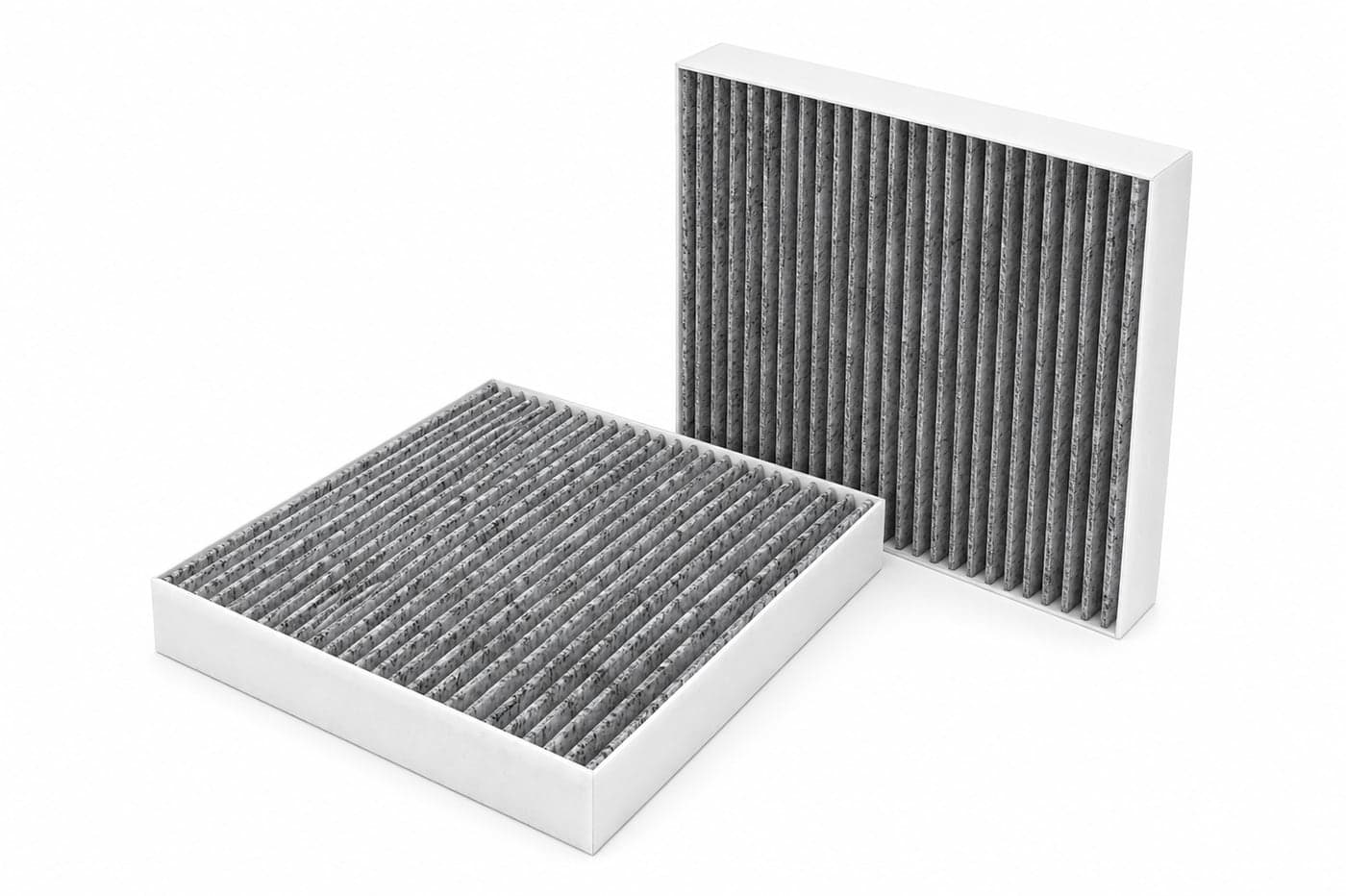
Cabin Filters
Review category capability and available product records.
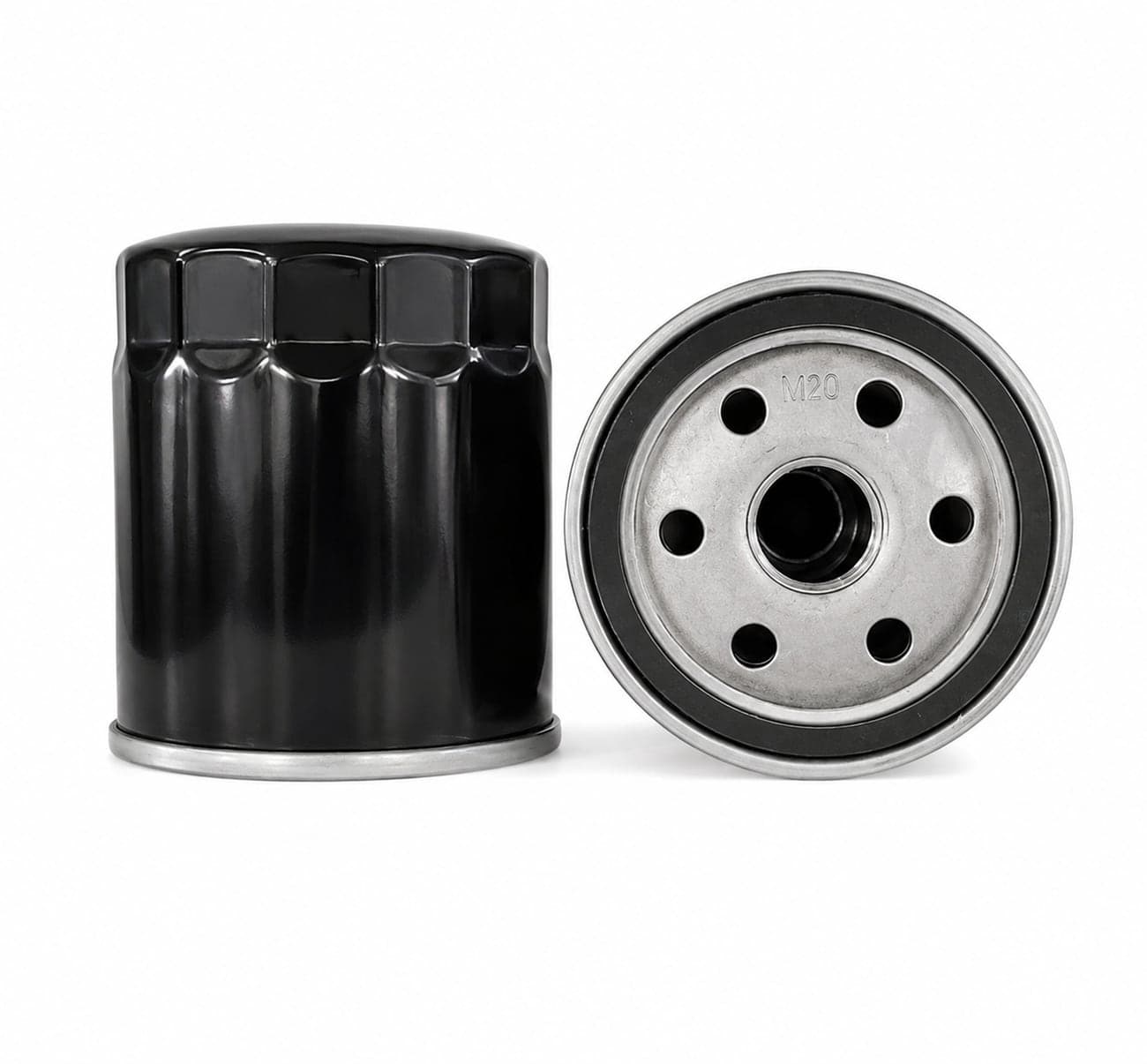
Oil Filters
Review category capability and available product records.
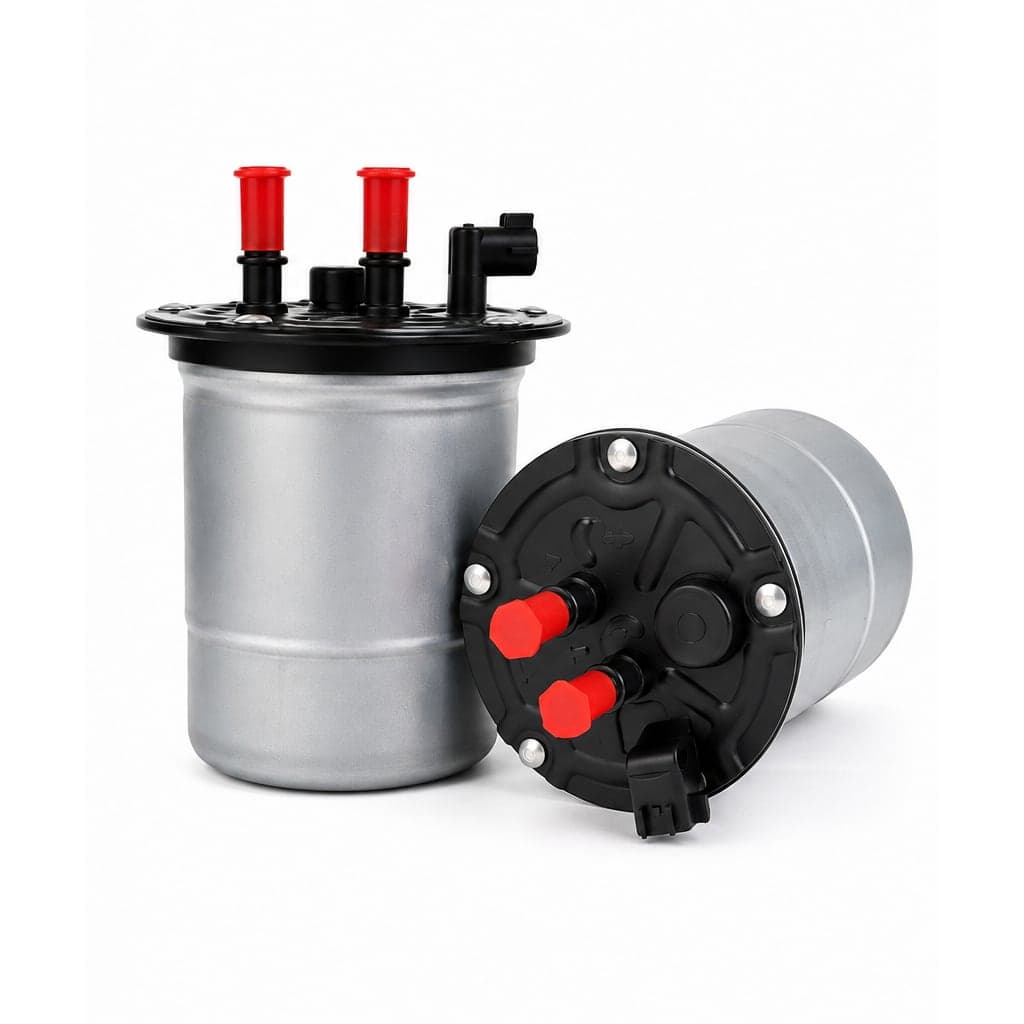
Fuel Filters
Review category capability and available product records.
No SKU page is linked until it passes the existing publication, verification and indexing gates. Use the category page or send a product list for review.
FAQ
Questions from aftermarket buyers.
Next step
Move from research to a reviewed filter program.
Sources and review
- Manufacturing Capability — Beling Automotive Filters
- Quality Information — Beling Automotive Filters
- RFQ Requirements — Beling Automotive Filters
- Automotive Filter Product Portfolio — Beling Automotive Filters
- Automotive Filtration Supply Solutions — Beling Automotive Filters
Reviewed by Beling Automotive Filters (Organization review) on August 22, 2026.